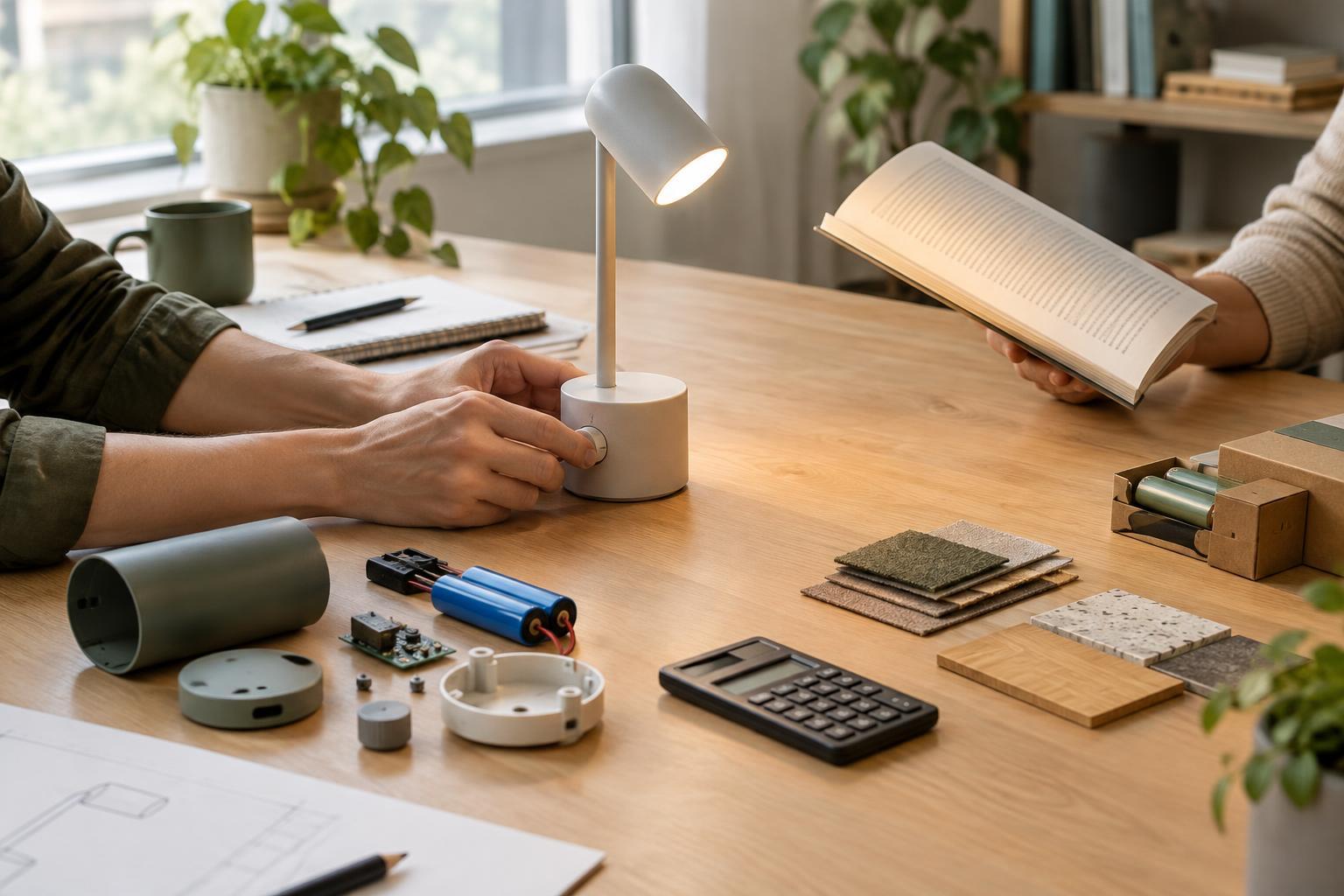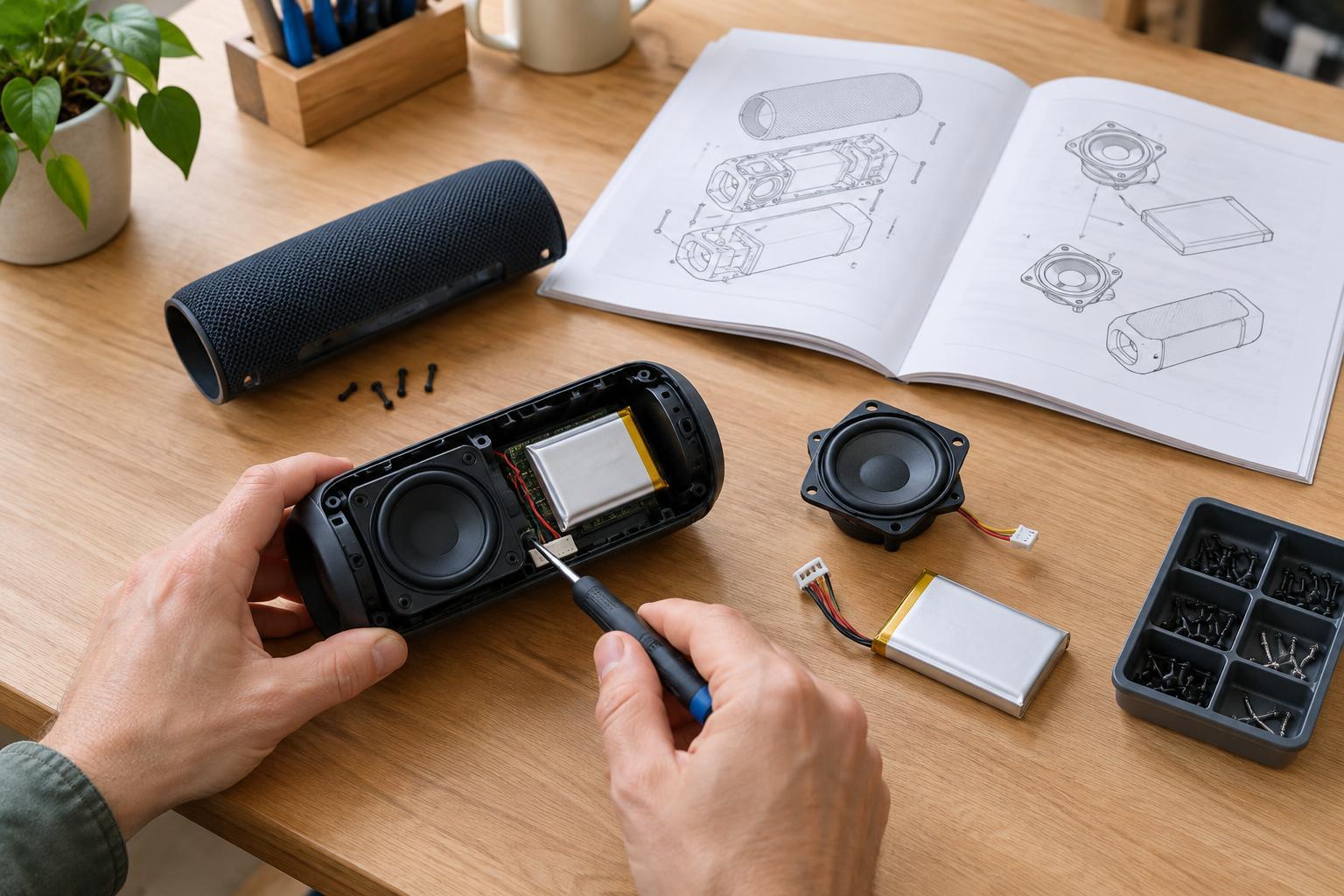
Design and InnovationA product’s useful life depends on more than the durability of its outer shell. Screws, replaceable components and clear repair information can make the difference between fixing a fault and replacing the whole device. Here is how those design choices work together.
Read article · 4 min↗
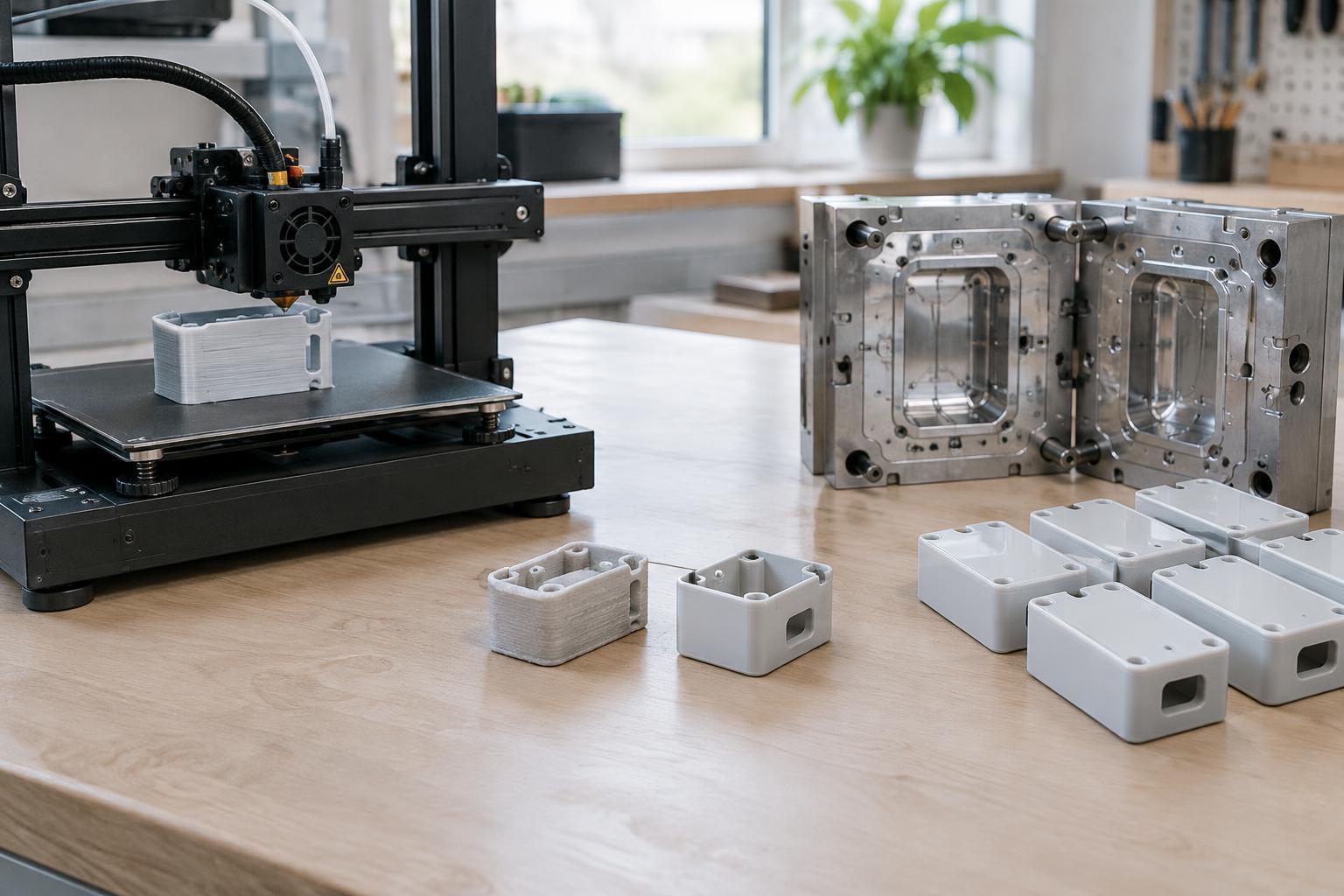
Design and Innovation3D printing and injection molding can both turn a product design into a physical object, but they solve different problems. Learn how to choose between them for early prototypes, design testing and repeatable production.
Read article · 4 min↗
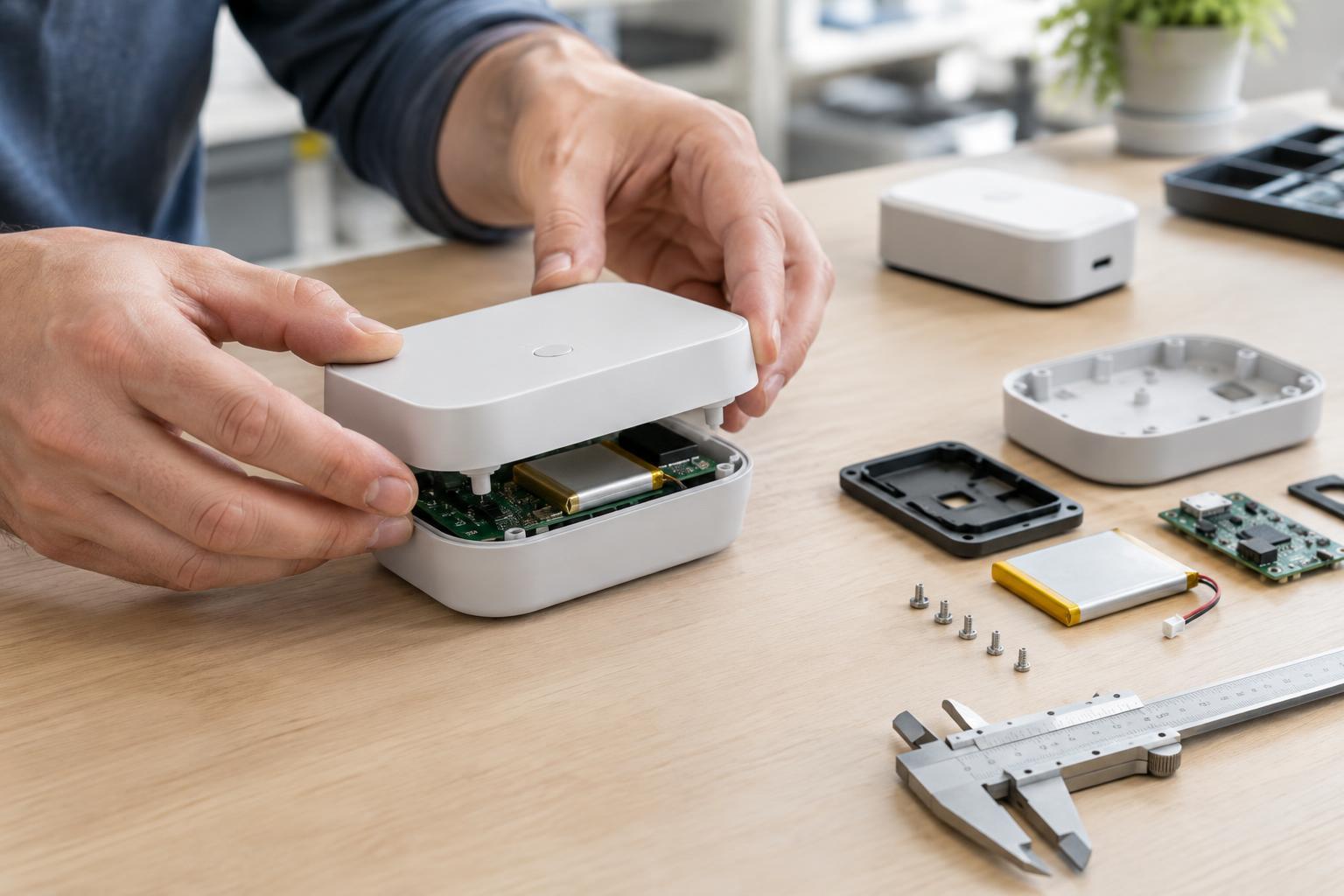
Design and InnovationA product can work beautifully as a prototype and still be difficult to make at scale. Design for manufacturing and assembly brings production questions into the design process early, helping teams simplify parts, plan how they fit together, and check whether a design can be built consistently.
Read article · 4 min↗
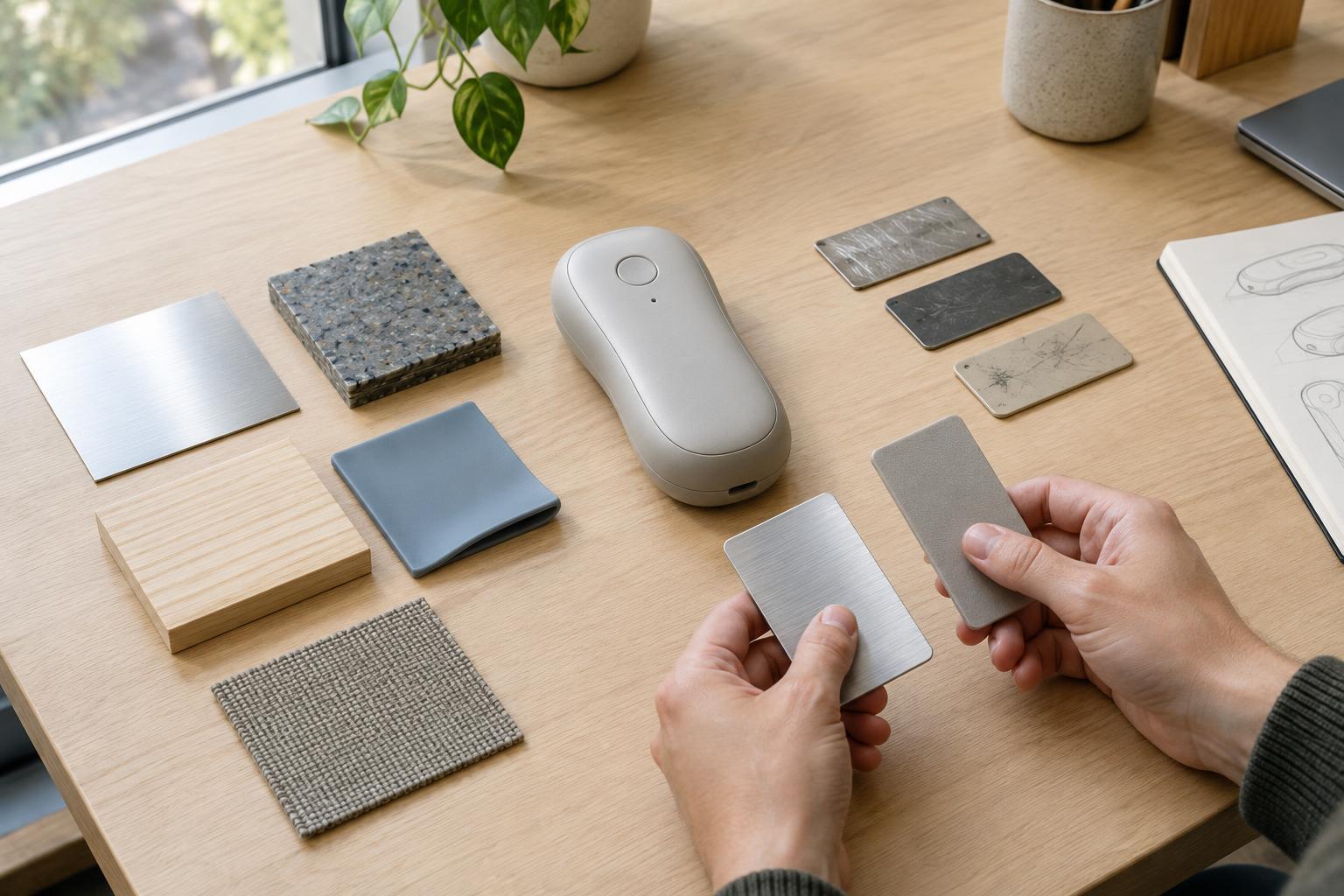
Design and InnovationA product’s material affects how it looks, feels, wears and can be repaired. Learn how designers compare common materials, test real-world use and make trade-offs that fit a product’s purpose.
Read article · 4 min↗
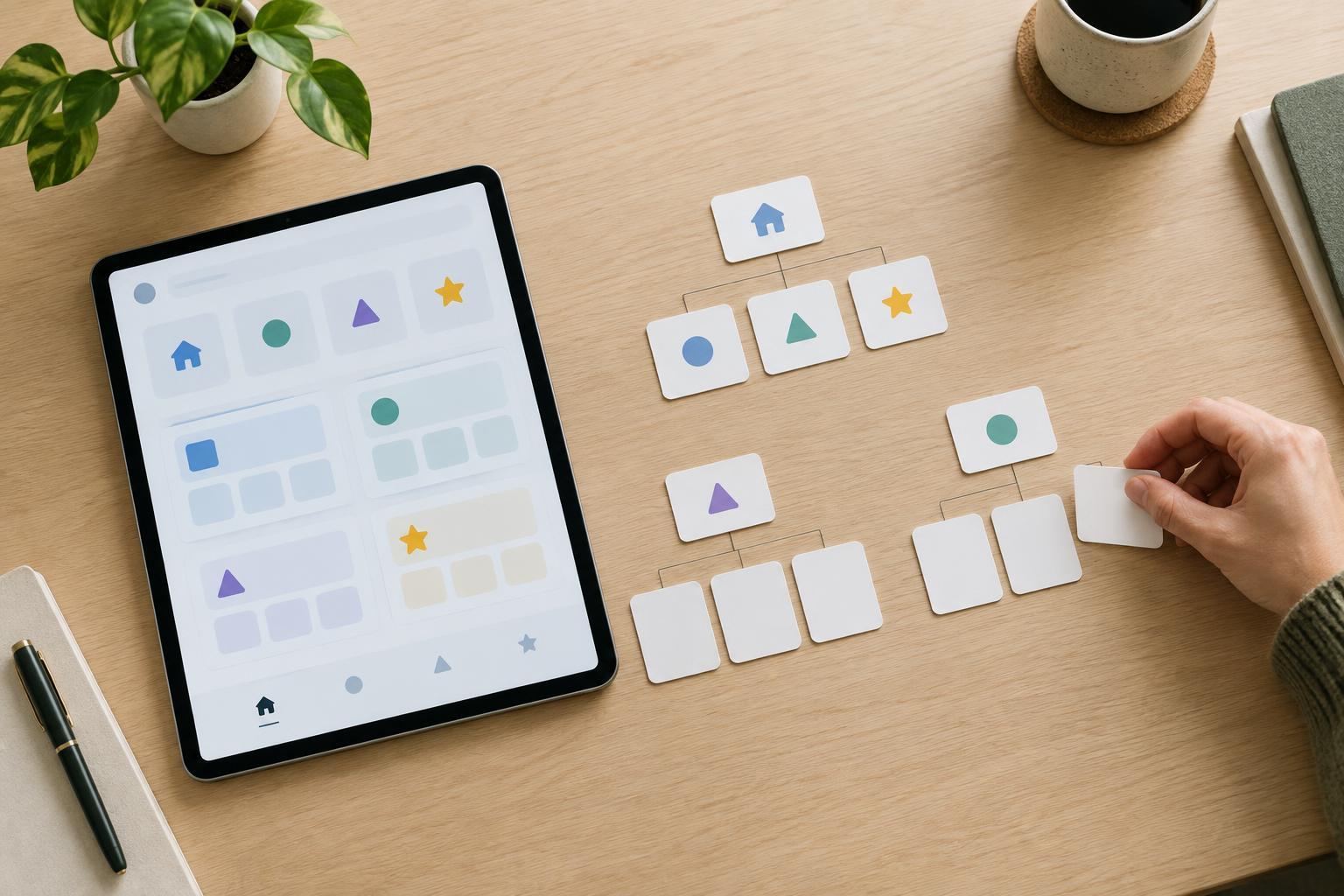
Design and InnovationA product can have useful features and still feel difficult to use if people cannot find them. Learn how clear labels, sensible groups, navigation paths and simple testing make websites and apps easier to explore.
Read article · 4 min↗
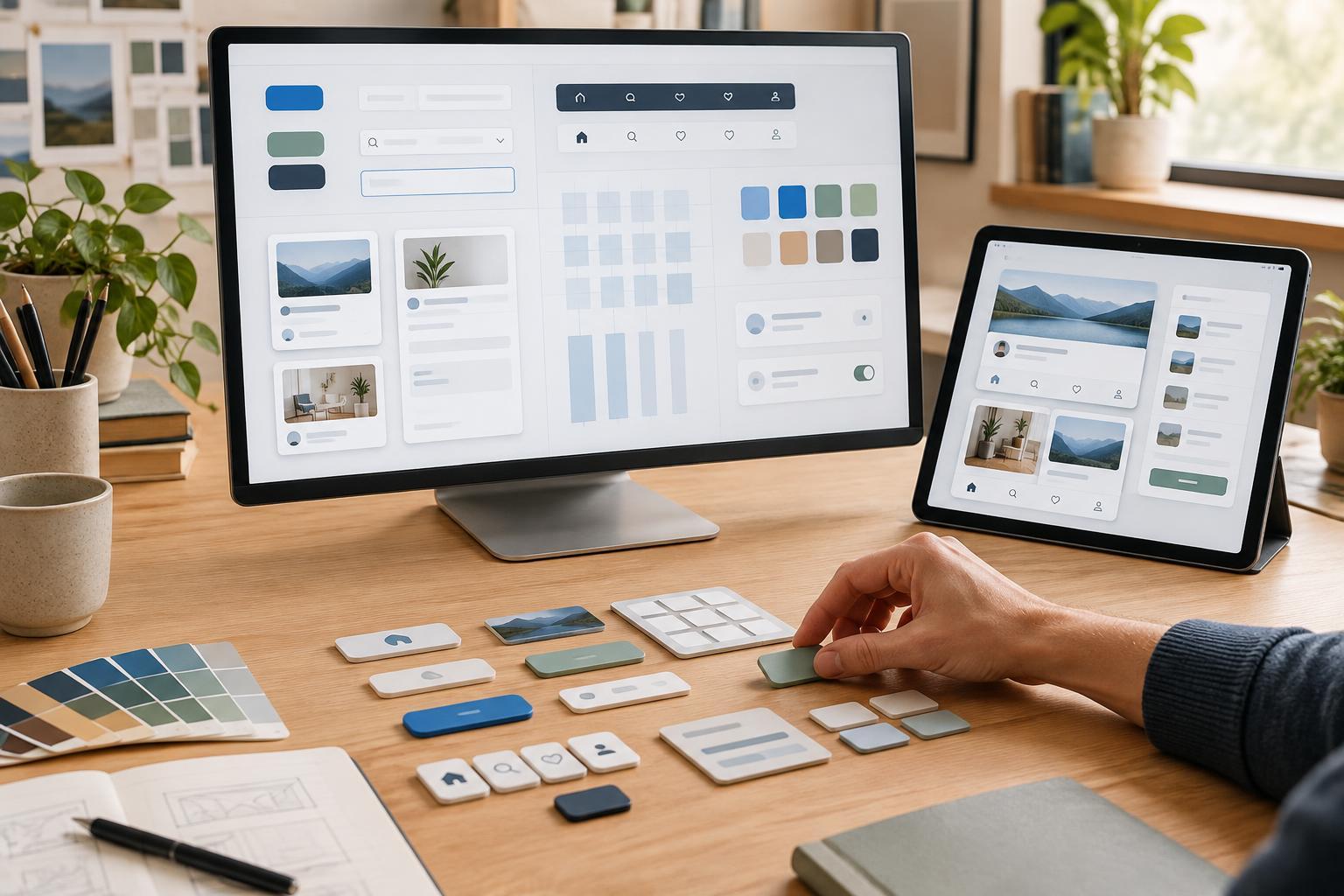
Design and InnovationA digital design system gives teams shared building blocks for making websites and apps. Here is what it contains, how it differs from a style guide, and how to tell whether the work of maintaining one will pay off.
Read article · 4 min↗
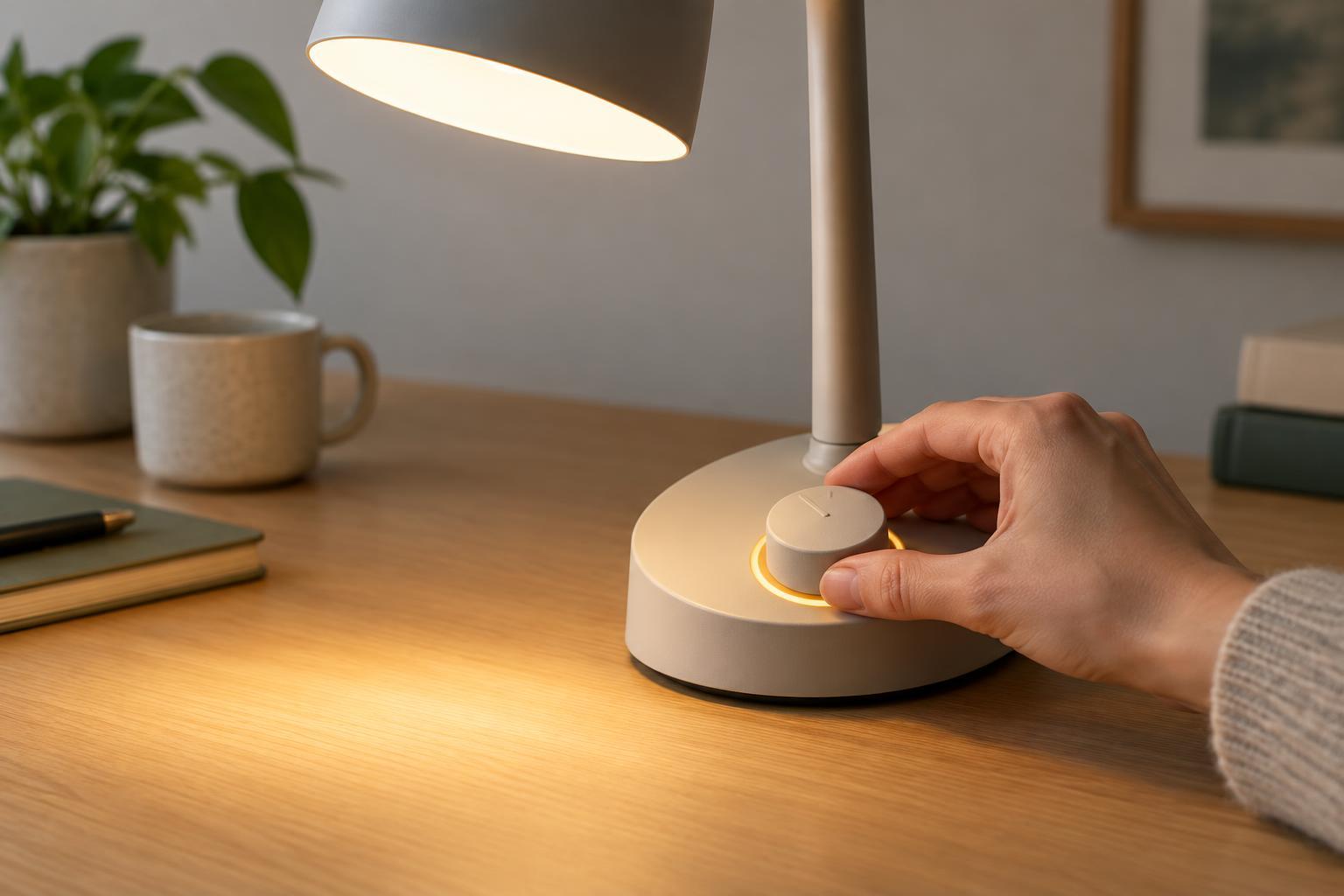
Design and InnovationWhy do some products feel obvious while others require a manual? Affordances make actions possible, signifiers show where to act, and feedback confirms what happened. Together, these design principles can make everyday devices easier to learn and more forgiving to use.
Read article · 4 min↗

Design and InnovationA product can look intuitive yet feel awkward after a few minutes of use. Explore how designers think about body size, control placement, grip and sustained comfort—and why testing with different people matters more than designing for an imaginary average user.
Read article · 4 min↗

Design and InnovationAccessible design starts with a simple question: can people with different abilities use this product to do what they came to do? Learn how flexible controls, clear feedback and testing with users can improve everyday technology.
Read article · 4 min↗

Design and InnovationA small usability test can reveal where a design confuses people, but only if participants can try it without being guided toward the “right” answer. Here is a practical way to prepare tasks, ask neutral questions, observe behavior and turn what you learn into design improvements.
Read article · 4 min↗
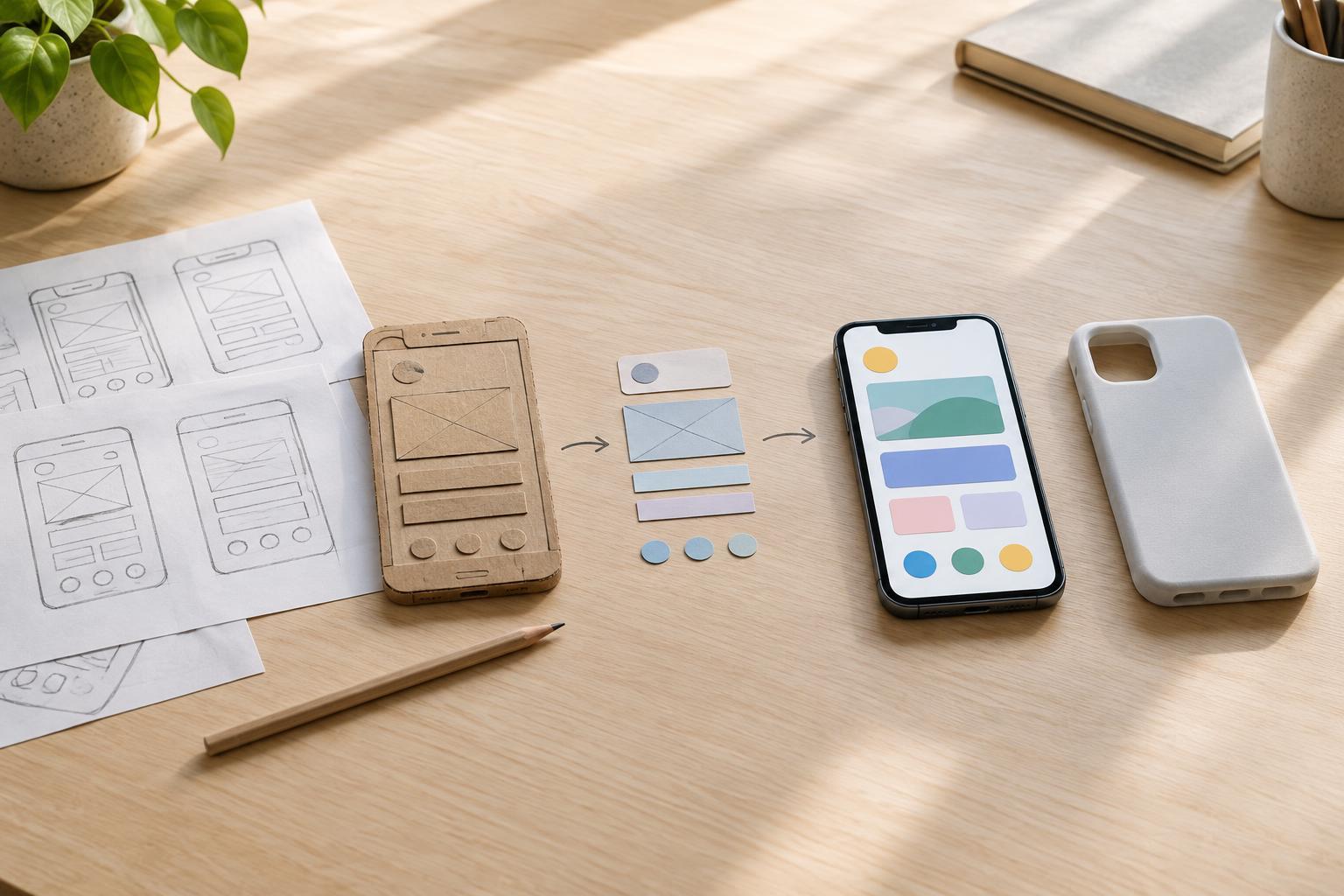
Design and InnovationA rough sketch and a polished interactive model can both be useful prototypes, but they answer different questions. Learn how to choose the right level of detail, test ideas efficiently, and avoid mistaking a convincing demonstration for a finished product.
Read article · 4 min↗
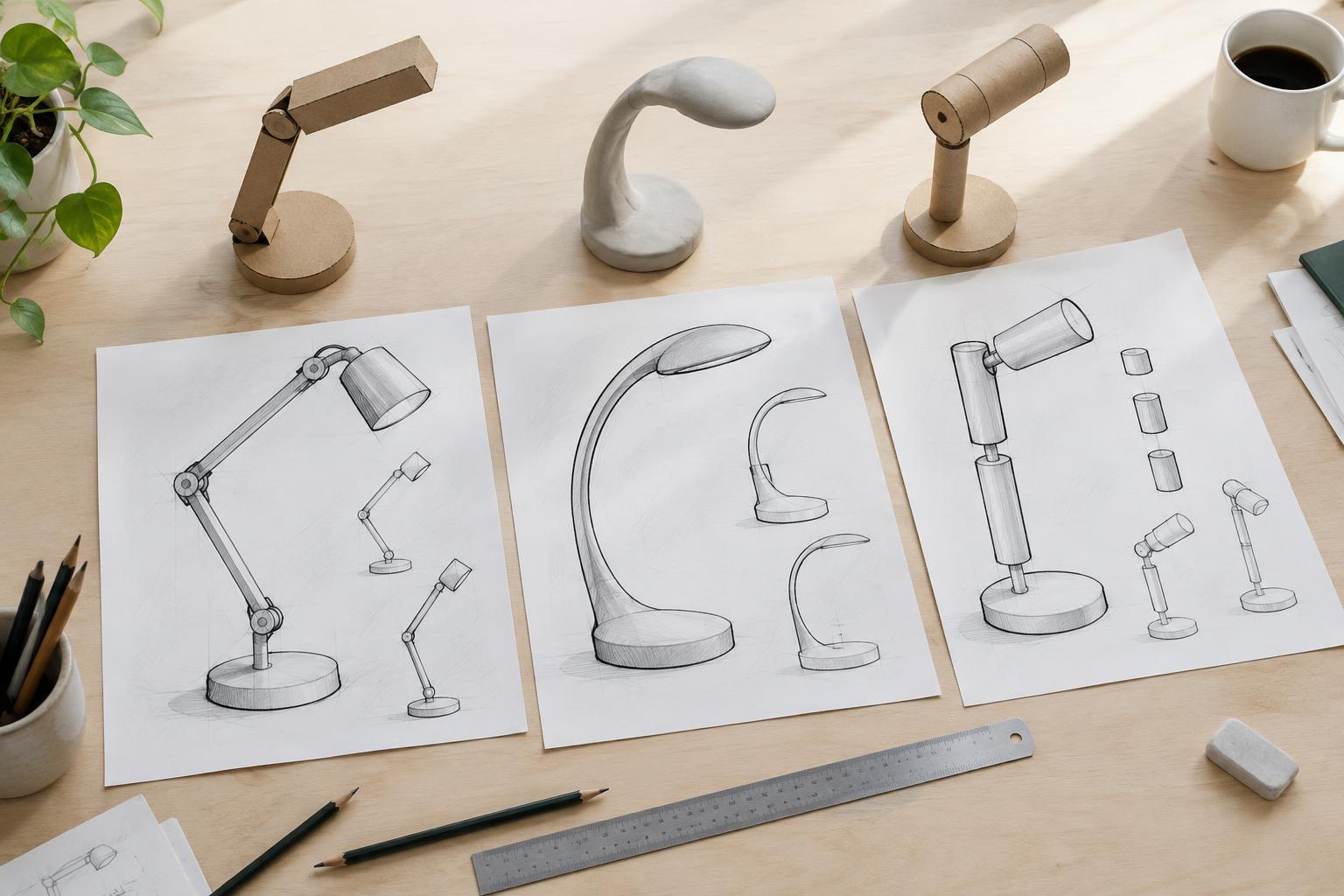
Design and InnovationThe first workable idea is rarely the only one worth exploring. A few structured ideation methods can help teams create genuinely different concepts, compare them fairly, and choose what to develop next.
Read article · 4 min↗
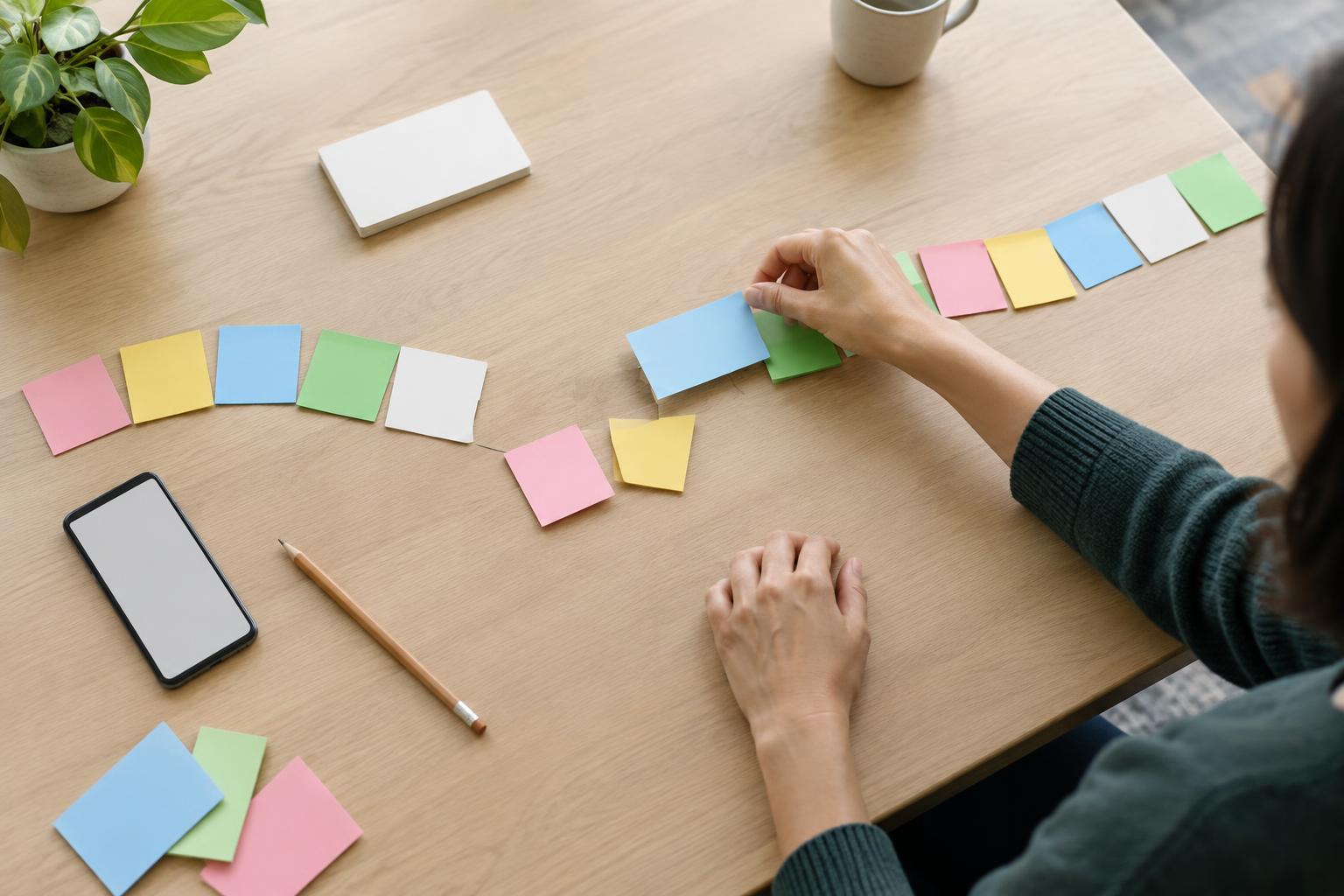
Design and InnovationA user journey map shows what someone is trying to accomplish, what they encounter along the way, and where the experience becomes harder than it needs to be. Learn how to set a clear scope, map the steps, spot friction, and turn observations into practical design improvements.
Read article · 5 min↗

Design and InnovationPersonas describe the people a product is designed for. Jobs to Be Done describes the progress those people are trying to make in a particular situation. Learn when each approach helps, where it can mislead, and how to use both to make better design decisions.
Read article · 4 min↗

Design and InnovationA useful product idea often starts with a small frustration. Learn how to choose an everyday problem, ask people about real experiences, and turn what you hear into a clearer design question.
Read article · 4 min↗

Design and InnovationA promising idea can solve the wrong problem. Learn how to define who a design is for, observe what gets in their way, set useful constraints and test a problem statement before deciding whether technology belongs in the answer.
Read article · 4 min↗