Start with a situation, not an invention
Suppose you want to improve the experience of charging devices at home. It is tempting to begin with an idea, such as a clever charging station, and ask whether people would buy it. That question tests a reaction to your idea. It may tell you little about where charging actually becomes inconvenient. Interviews are more useful when they begin with the situation: where devices are charged, who uses the available outlets, and what happens when a cable or charger is missing.
Choose a problem area narrow enough to discuss in detail but open enough to allow surprises. “Managing devices at home” may be too broad for a short conversation. “Charging a phone before leaving for work” gives someone a specific routine to describe. Write down what you hope to learn, such as when the task happens, what people already do, and which parts require extra effort. Treat those as questions, not assumptions to confirm.
Invite people who have the experience
You do not need a formal research program to begin. A few conversations can reveal situations you had not considered, although they cannot tell you how common those situations are. Look for people who encounter the task you are exploring. If possible, include different routines or living arrangements rather than interviewing only people who use products exactly as you do.
When inviting someone, explain the topic, how long the conversation will take, and how you plan to use their comments. Make participation optional and let them skip questions. Avoid asking for passwords, sensitive account details, or other information you do not need. If you want to record the conversation, ask first; otherwise, brief notes may be enough. A respectful introduction helps keep the discussion about the person’s experience rather than making it feel like a test of their habits.
Ask for stories about what happened
Begin with an easy prompt: “Can you walk me through the last time you charged your phone away from your usual spot?” A recent example gives you a sequence to explore. You can ask where the person was, what they reached for, what interrupted them, and how they finished the task. Follow up on concrete details: “What did you do next?” and “Was that typical for you?” These questions often reveal workarounds that a general question about preferences would miss.
Avoid leading questions such as “Wouldn’t a charging dock make this easier?” They suggest both a problem and a solution. Also be cautious with predictions. Someone may sincerely say they would use a new feature every day, but describing a future habit is different from showing how they act now. Ask what they currently use, what they have tried, and why they kept or abandoned those approaches.
Leave room for pauses, and resist explaining your own idea. If a person says something surprising, ask them to tell you more rather than correcting your understanding immediately. Your goal is not to win agreement. It is to learn how the task fits into a real day.
Look for effort, context and exceptions
A complaint is a useful starting point, but the surrounding circumstances matter. A tangled cable might be mildly annoying on a quiet evening and a bigger obstacle when someone is rushing out the door. Ask when the difficulty occurs, what it costs them in time or attention, and what they do to get around it. If a workaround is good enough, the problem may not call for a new product.
When appropriate, ask the person to describe or show the setup they already use. Notice the order of steps, the objects involved, and any constraints they mention. Do not assume that an unusual arrangement is a mistake; it may solve another problem you have not yet heard about. Distinguish what you directly observed from what the person reported, and from your own interpretation. That separation makes your notes more useful later.
Turn conversations into a better design question
After each interview, capture a short account while it is fresh: the situation, the person’s goal, the difficulty, and the workaround. Across conversations, look for repeated patterns as well as meaningful differences. Do several people run into the same obstacle? Does it happen only in a particular setting? A handful of interviews can help you form a promising question, but they are not a population survey.
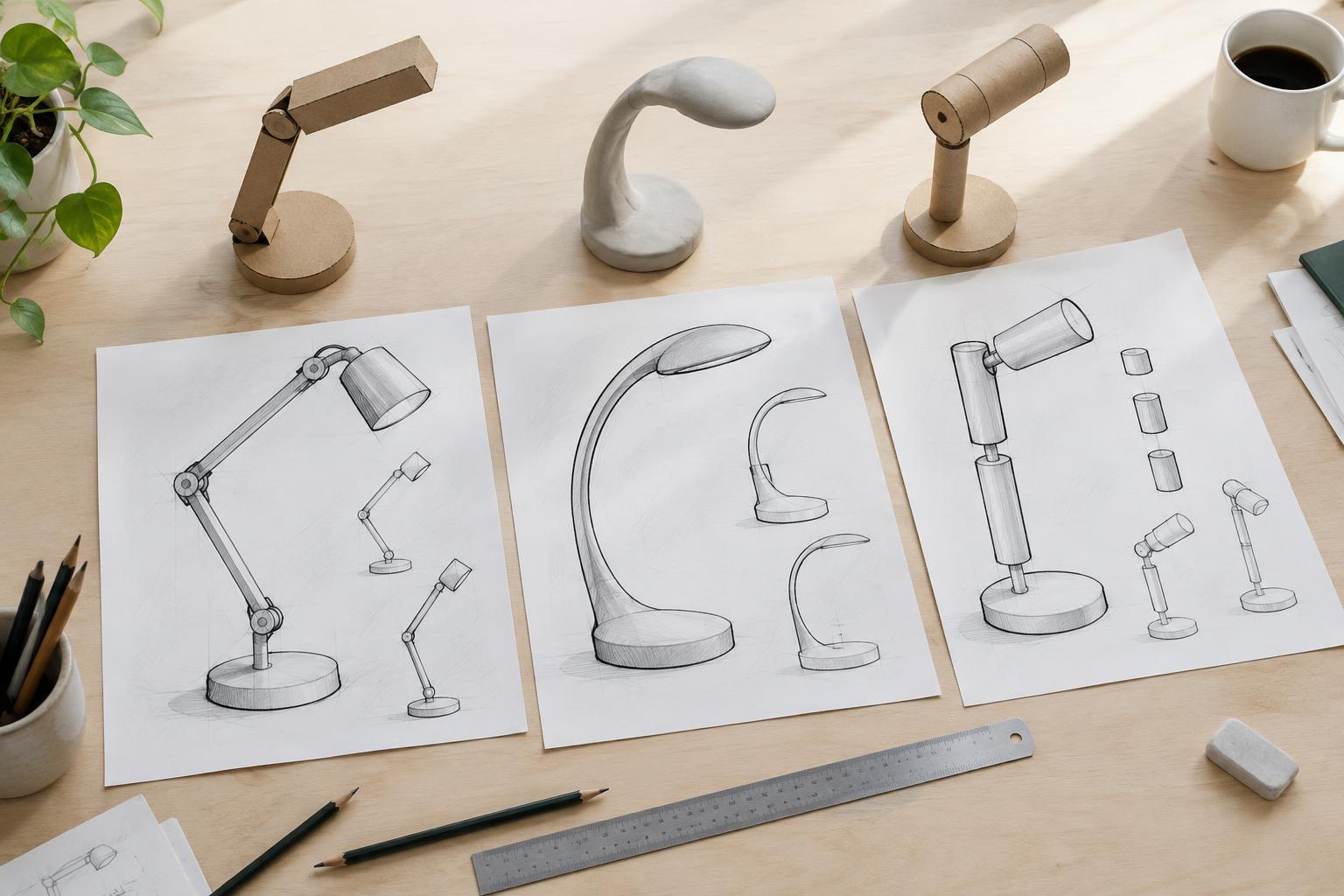
Instead of concluding “people need a charging station,” you might ask, “How could someone keep a charger available when they move between rooms?” That question leaves space for a simpler cable arrangement, a change to an existing device, or no new product at all. Sketch a small idea and ask people to react to how they would use it in a specific situation. Then revisit the original problem. Good design interviewing does not prove an idea is right; it helps you find out what is worth trying next.