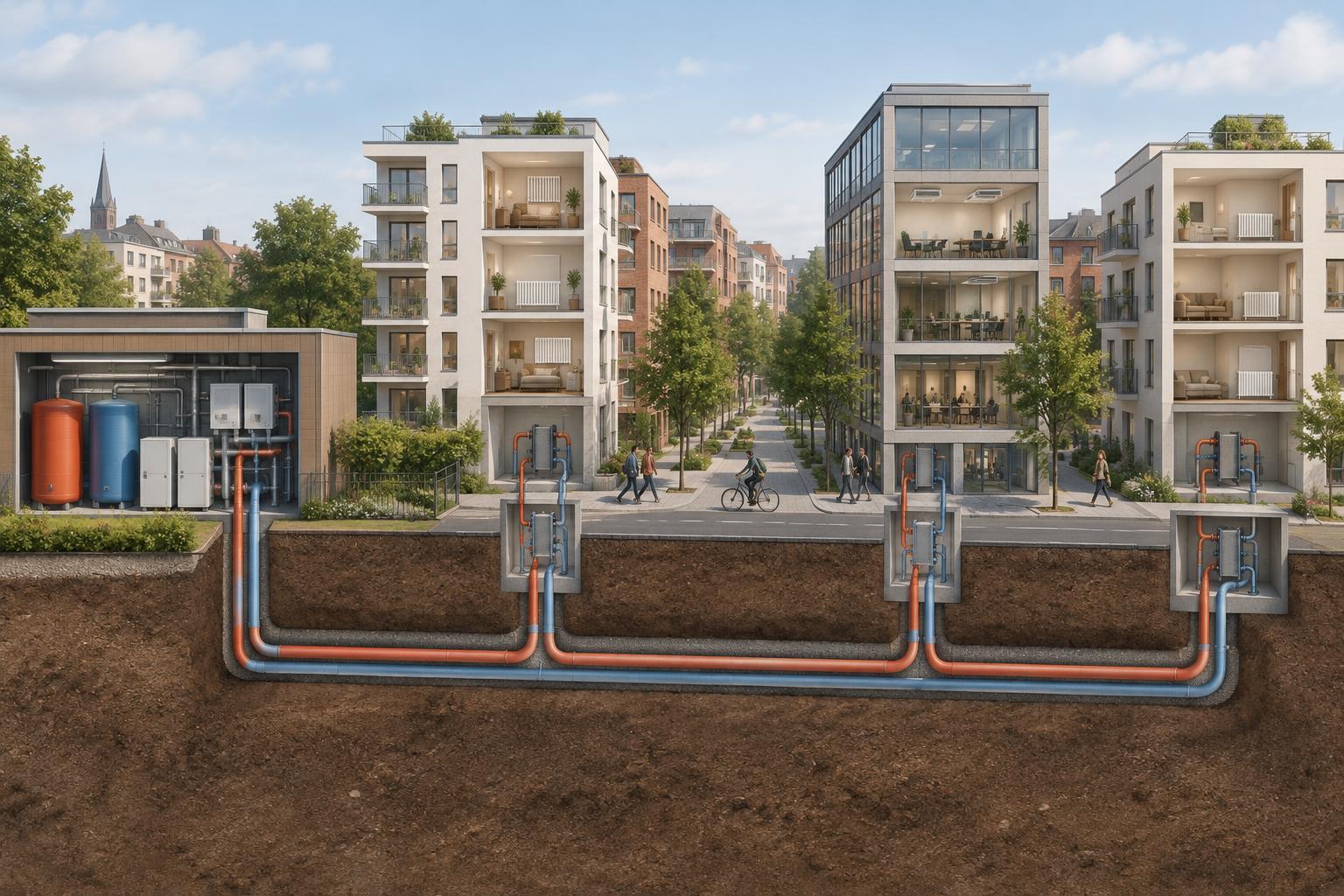
Energy and Climate TechDistrict energy networks move heat or chilled water between a central system and multiple buildings. Here is how they work, where they can help, and why their benefits depend on the energy source, pipe network and buildings they serve.
Read article · 3 min↗
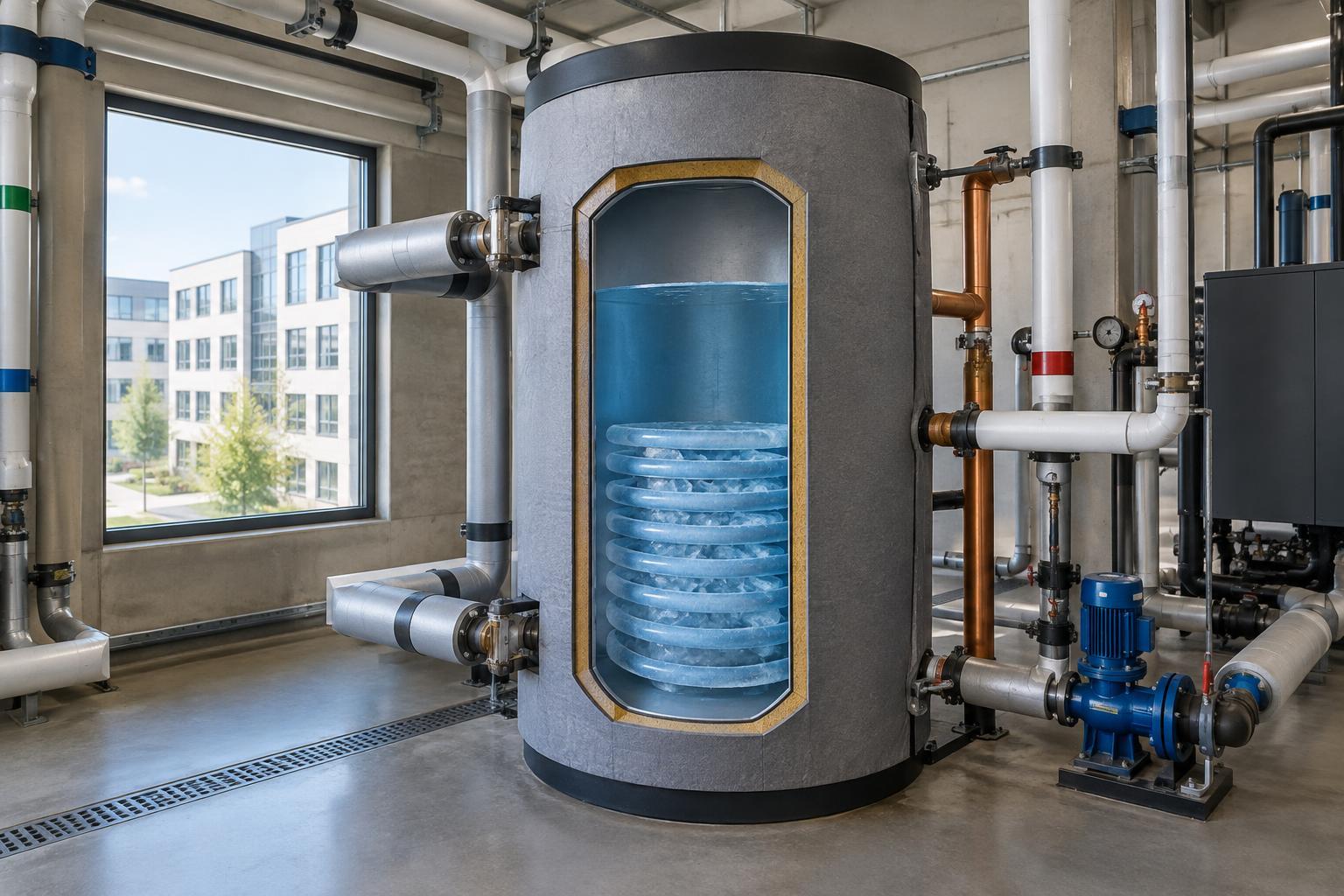
Energy and Climate TechA building does not have to use electricity at the exact moment it needs heating or cooling. Thermal storage saves heat or cold in water, ice, or other materials so it can be used later. Here is how the approach works, where it is useful, and why it does not always save energy.
Read article · 4 min↗
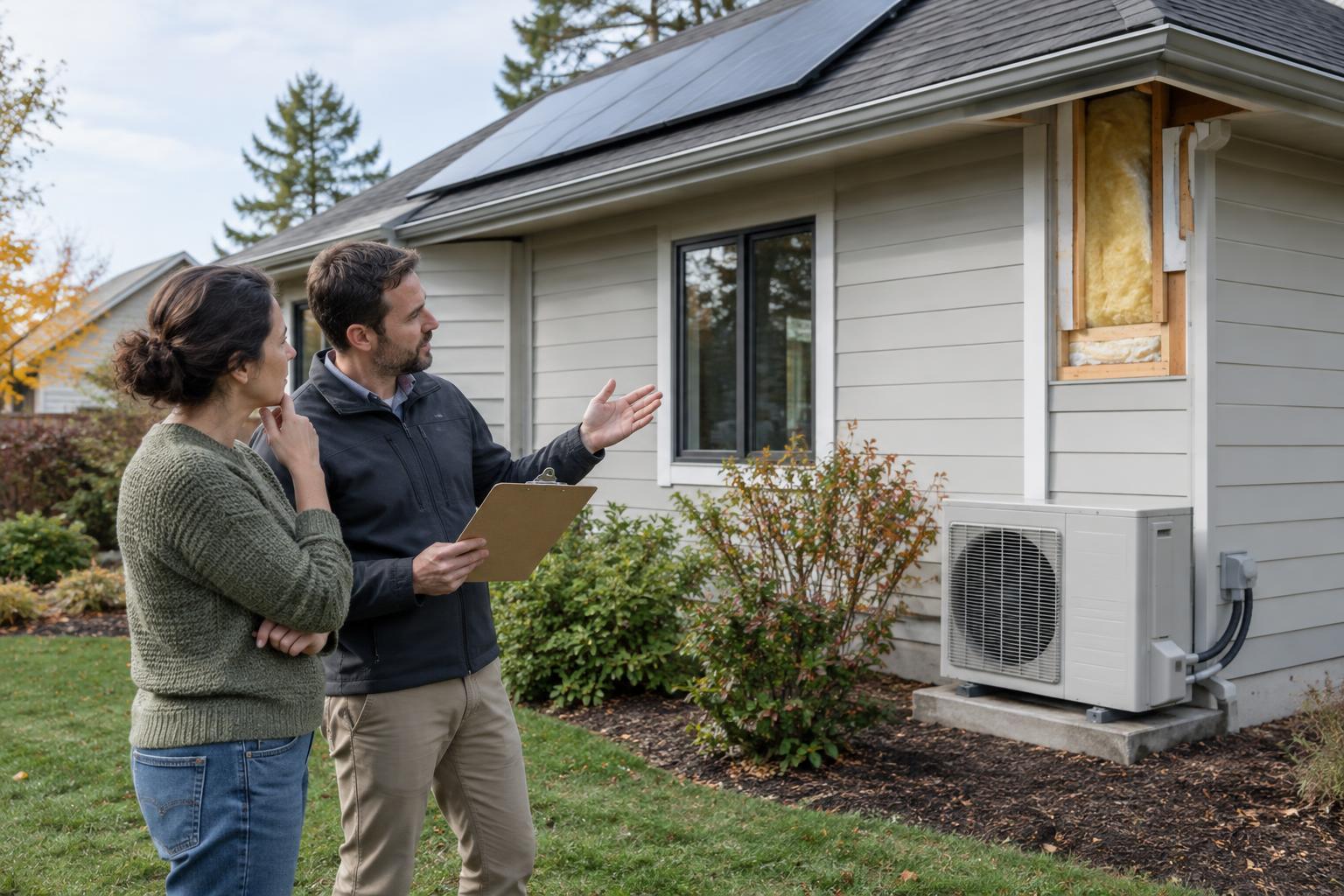
Energy and Climate TechA low price or a large advertised saving does not automatically mean a home energy upgrade will pay for itself quickly. Learn how to compare insulation, heat pumps, solar panels and other improvements using realistic costs, savings and equipment lifetimes.
Read article · 4 min↗
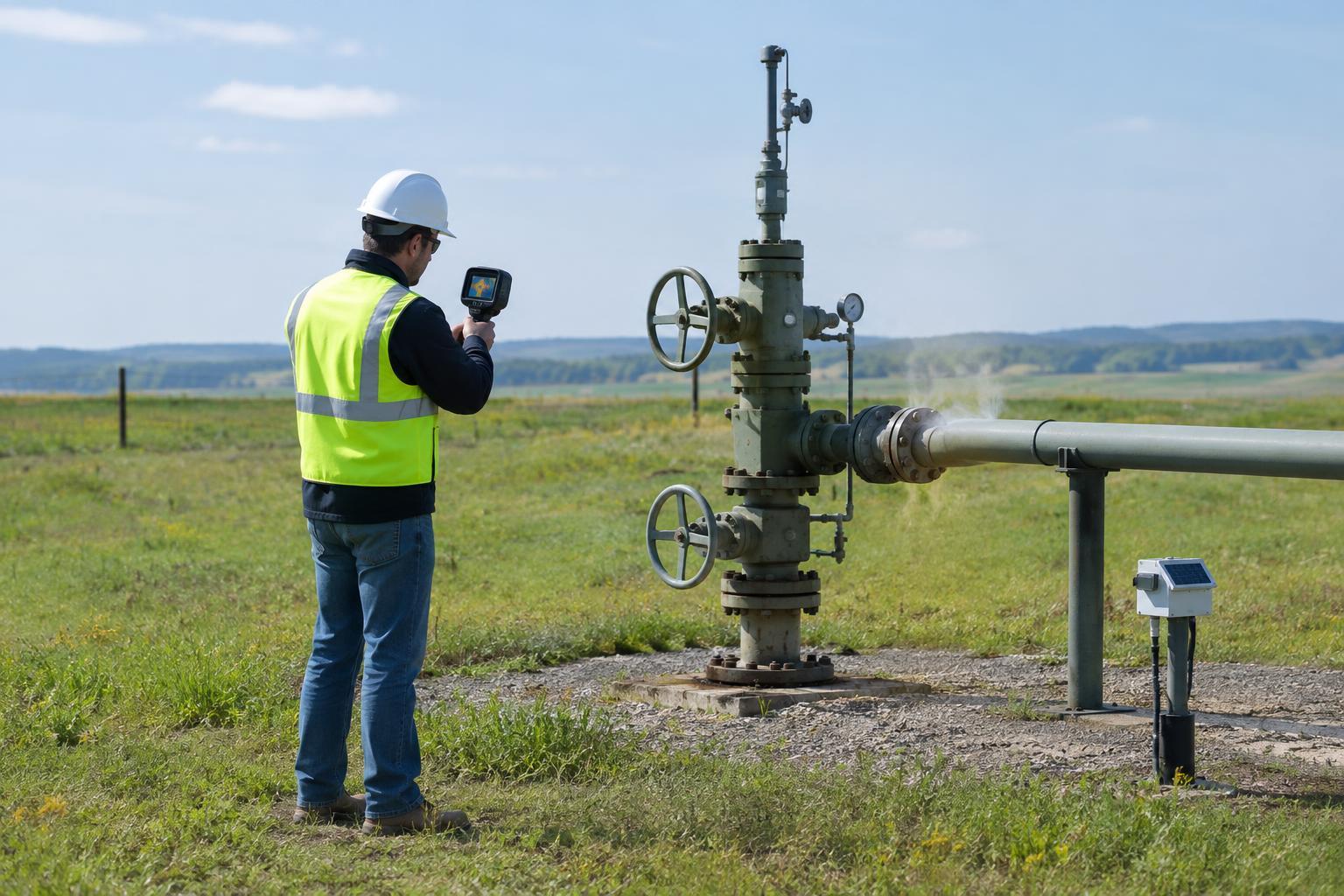
Energy and Climate TechMethane can escape from wells, pipelines and other energy equipment without being visible. Learn how ground sensors, infrared cameras, aircraft and satellites help locate leaks—and why a measurement still needs careful follow-up.
Read article · 3 min↗
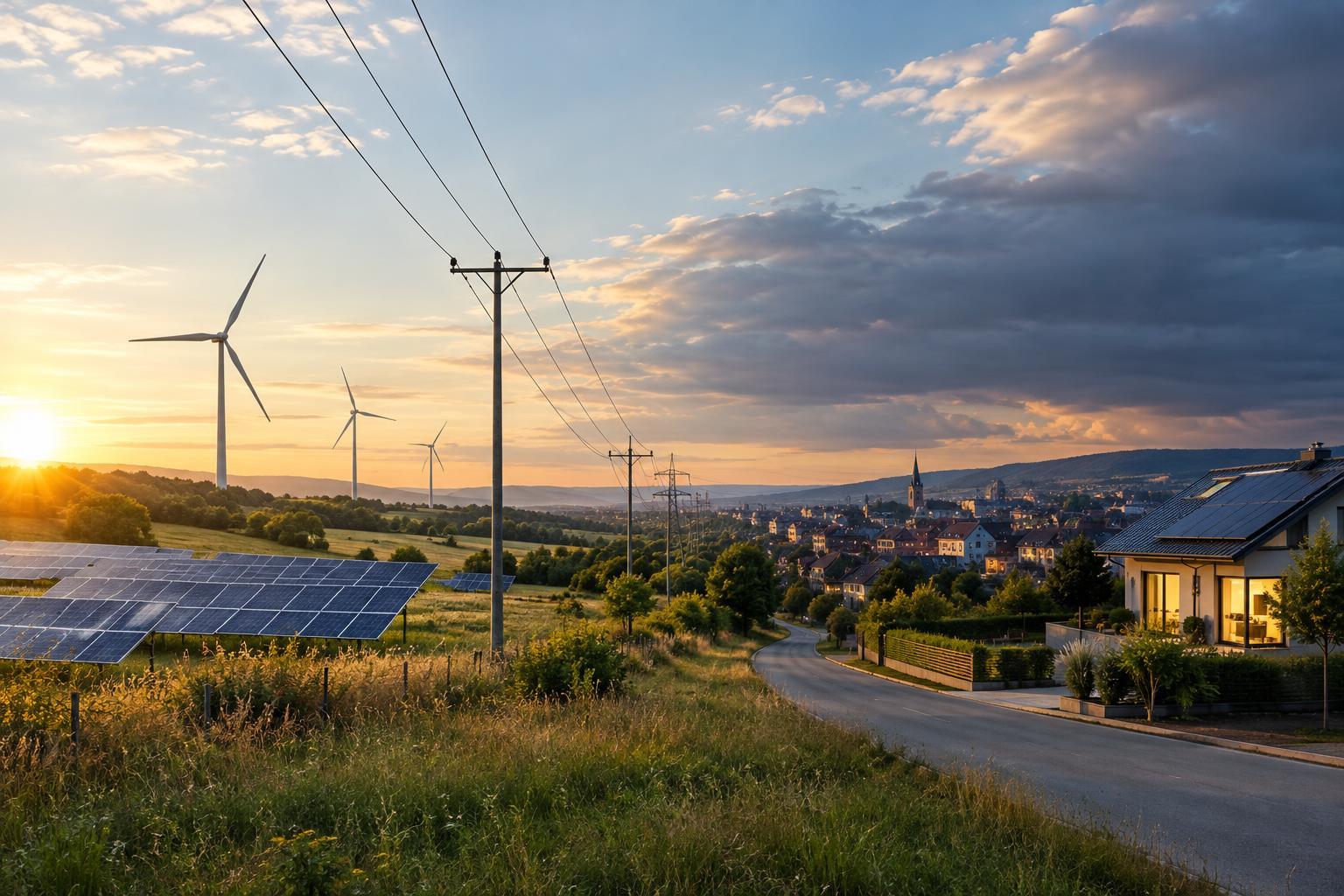
Energy and Climate TechA renewable energy certificate can support a claim about how much renewable electricity was produced, but it does not show that a home or business used clean power at the same moment. Here is how certificates and time-matched electricity differ—and why both the clock and the grid matter.
Read article · 4 min↗
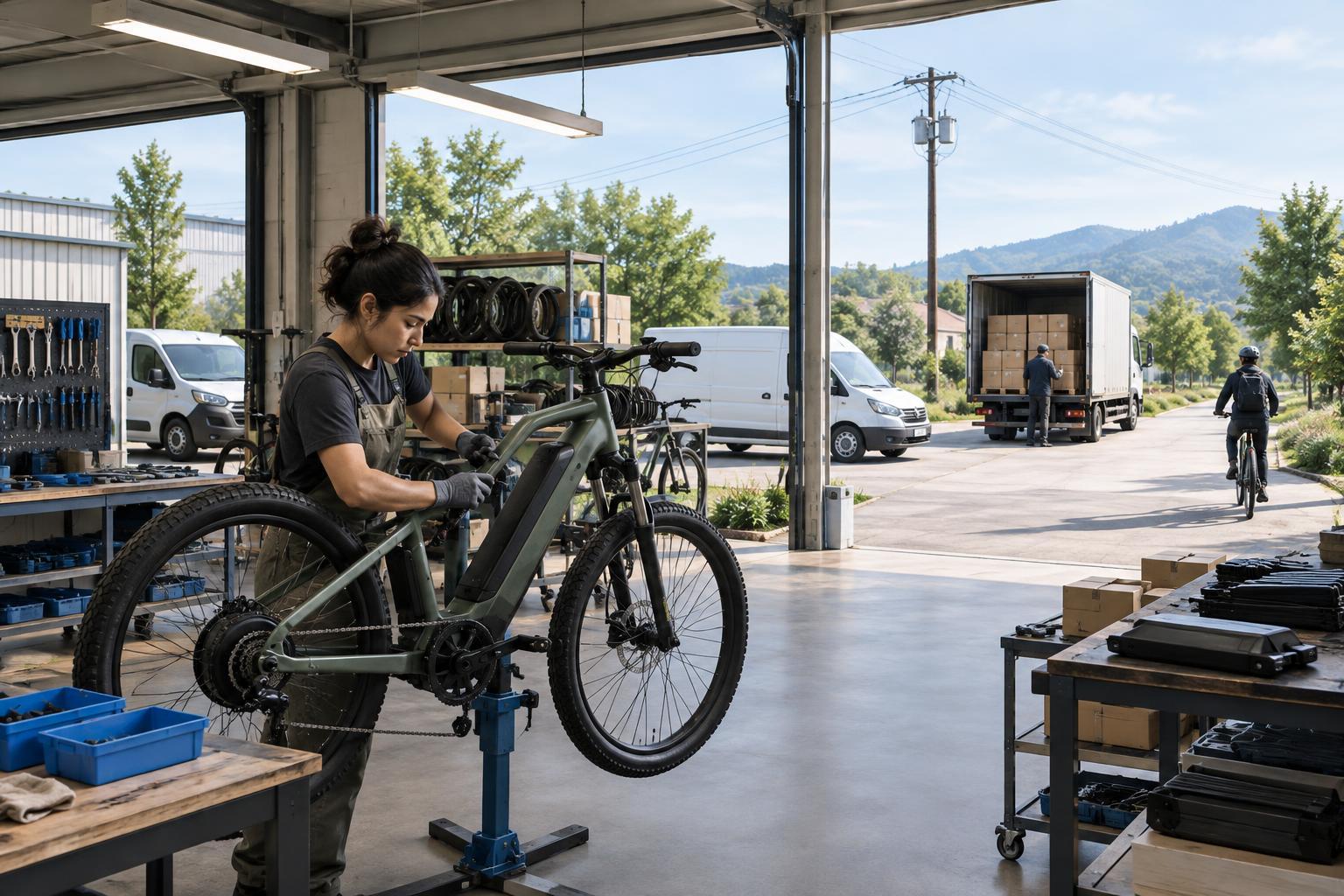
Energy and Climate TechA company’s emissions extend beyond the fuel it burns on site. Learn how Scopes 1, 2 and 3 divide direct emissions, purchased energy and value-chain activities, using an electric-bike maker as an everyday example.
Read article · 4 min↗
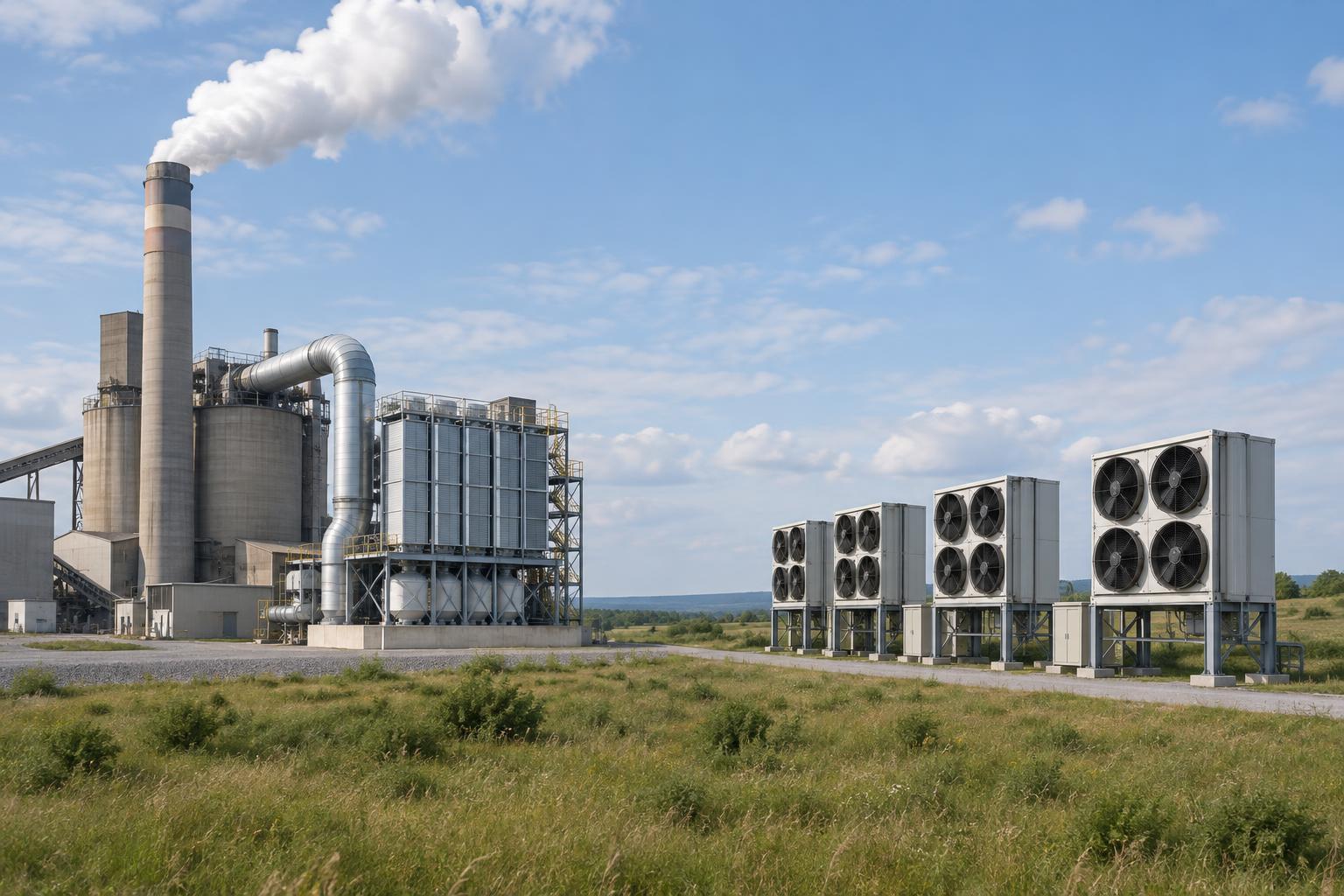
Energy and Climate TechBoth approaches separate carbon dioxide from other gases, but they start in very different places. Point-source capture works on emissions from an industrial facility before they reach the atmosphere. Direct air capture removes carbon dioxide from ambient air. Here’s how their uses, energy needs and limits compare.
Read article · 4 min↗
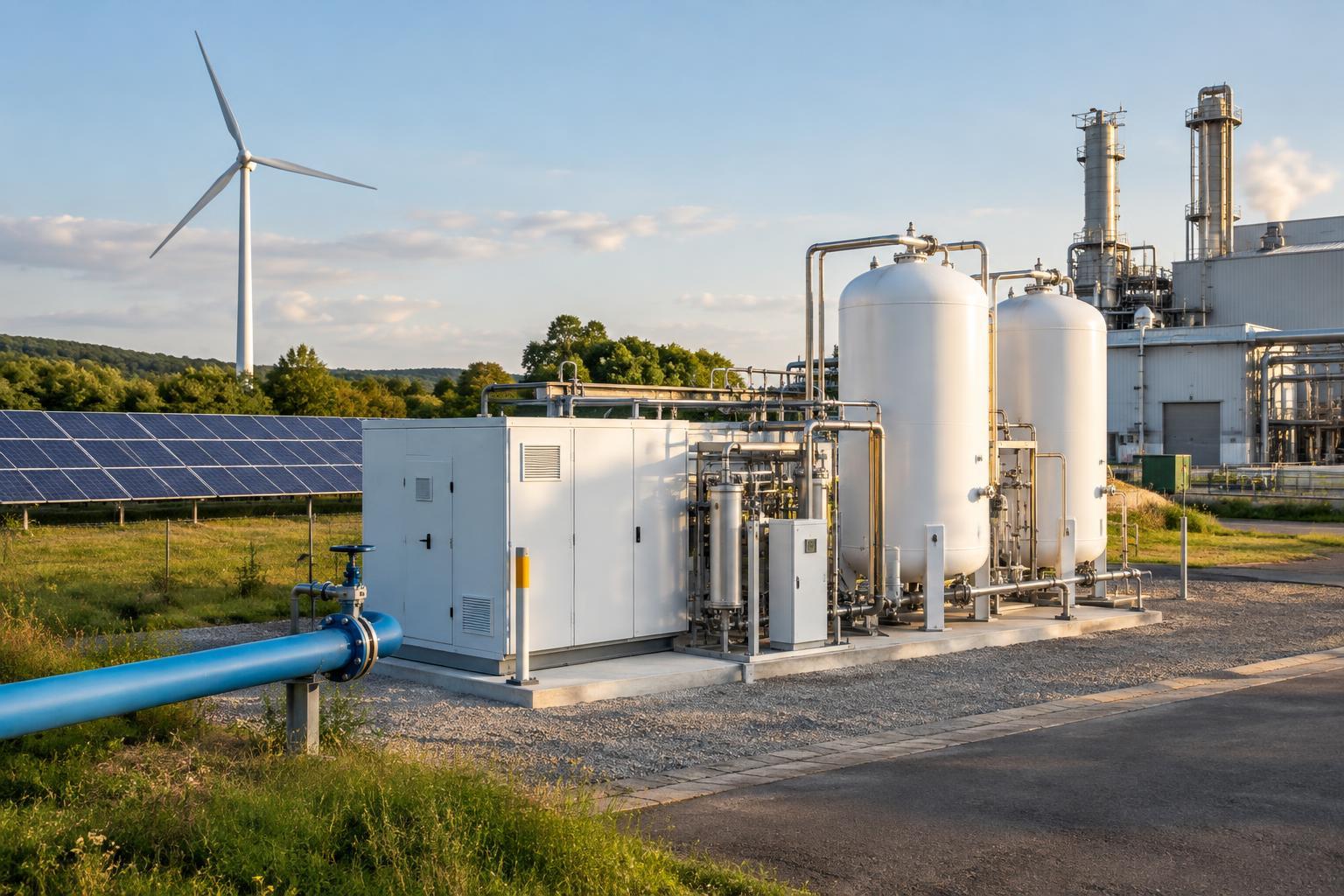
Energy and Climate TechGreen hydrogen is made by using renewable electricity to split water into hydrogen and oxygen. It could help cut emissions in some industrial processes, but making, storing and using it takes energy. Understanding those trade-offs helps explain where hydrogen is useful—and where direct electrification is simpler.
Read article · 4 min↗
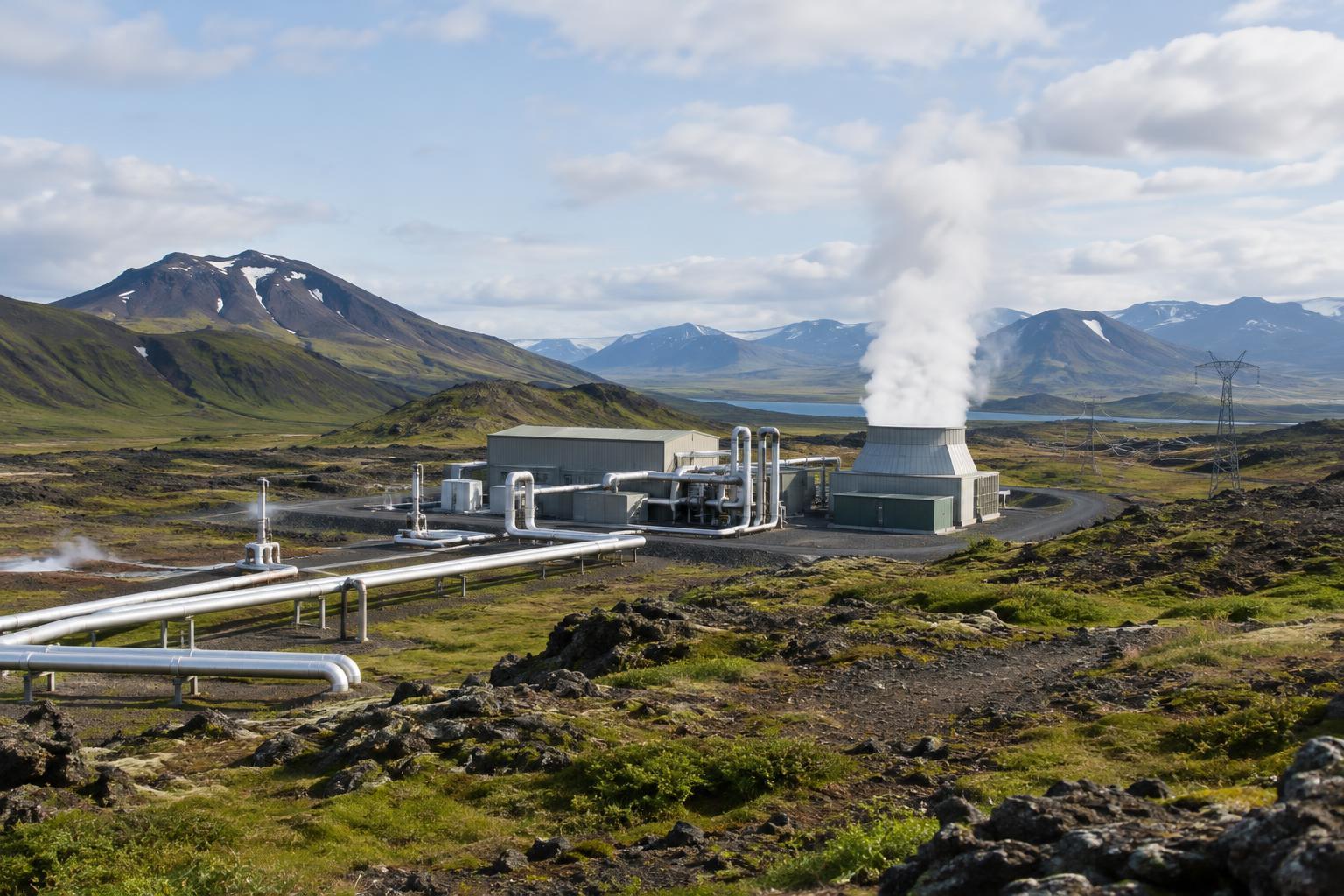
Energy and Climate TechGeothermal power plants turn heat from underground into electricity. Here is why some locations are easier to develop, how the main plant designs work, and what newer approaches may change.
Read article · 4 min↗
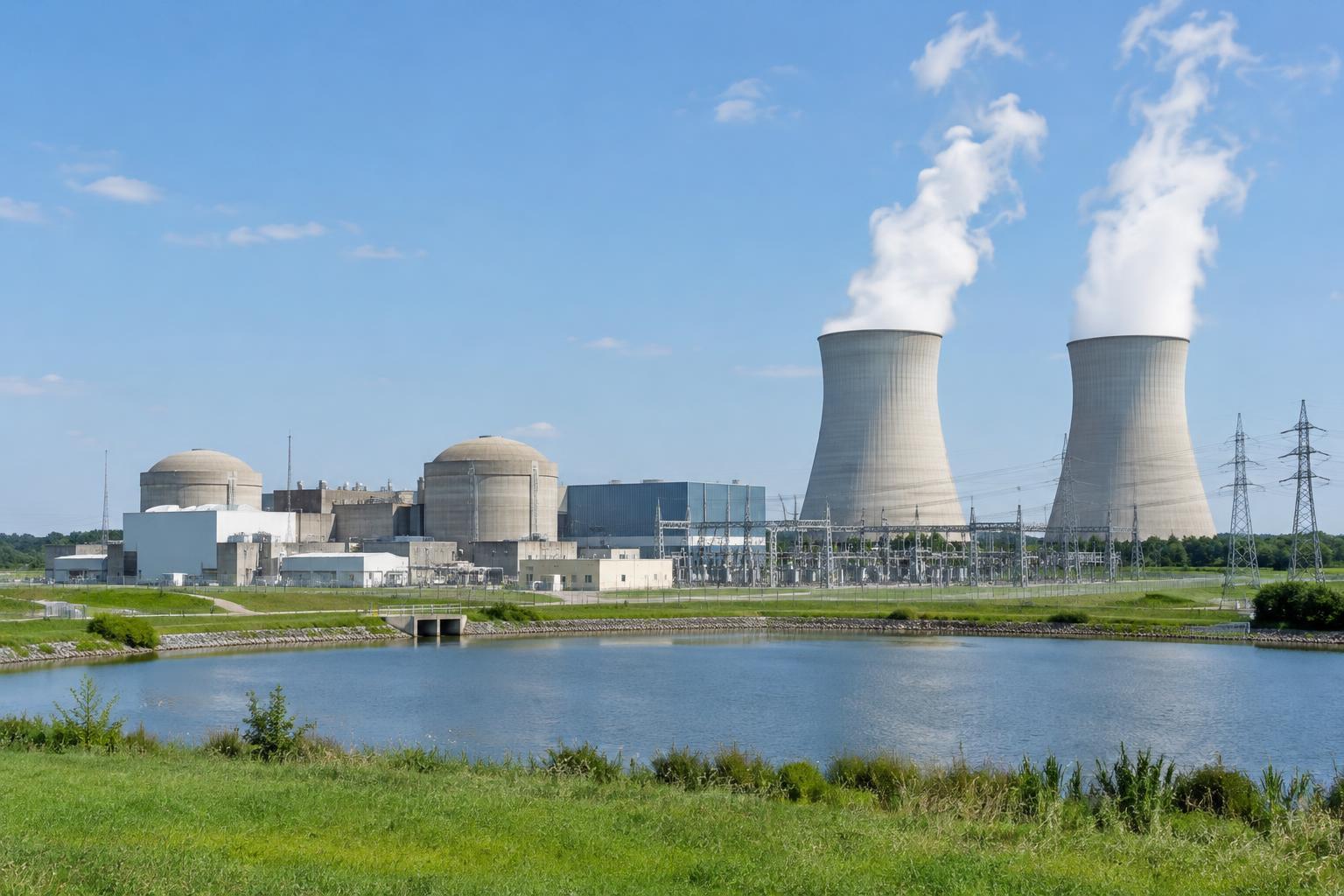
Energy and Climate TechA nuclear power plant turns heat from controlled fission into electricity. Follow the process from fuel and reactor to steam, turbine and generator, and see how cooling systems, safety measures and waste handling fit into the picture.
Read article · 4 min↗

Energy and Climate TechDemand response helps balance the electricity grid by moving some energy use to a different time. Here is how it works, which household activities can shift, and where comfort, cost and privacy set sensible limits.
Read article · 4 min↗

Energy and Climate TechA smart meter measures when electricity is used, while a time-of-use rate changes what electricity costs at different times. Learn how the two work together, what to check on a bill, and when shifting household tasks may help.
Read article · 4 min↗

Energy and Climate TechA basic home energy audit helps you spot where energy may be wasted before you buy new equipment or make major upgrades. Start with your bills, walk through each room, check for drafts and review heating, cooling and everyday devices. Then turn your observations into a practical plan.
Read article · 4 min↗
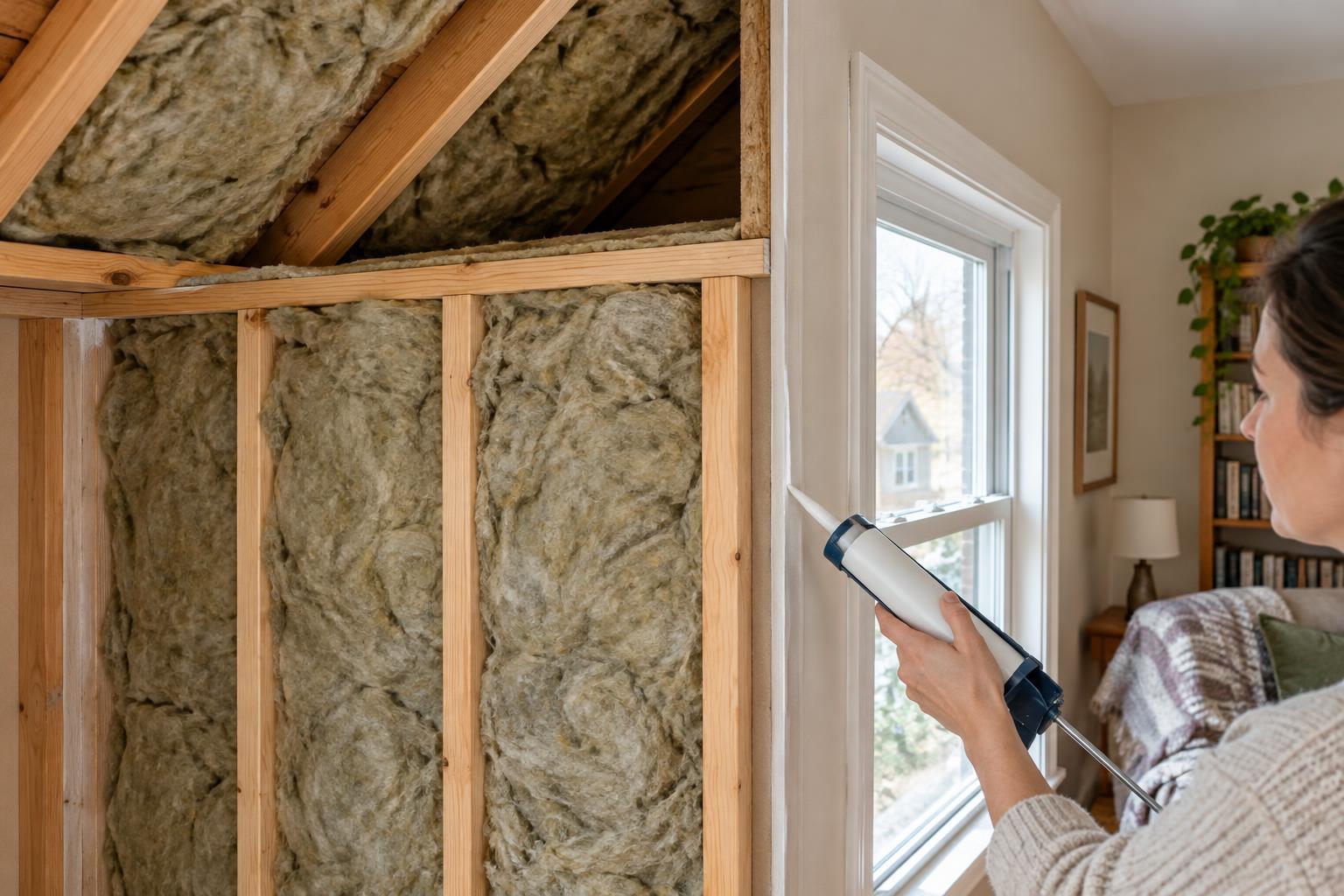
Energy and Climate TechInsulation slows heat moving through walls, roofs and floors. Air sealing limits unwanted drafts through gaps and cracks. Learn how they differ, where each helps and why a comfortable home may need both.
Read article · 4 min↗
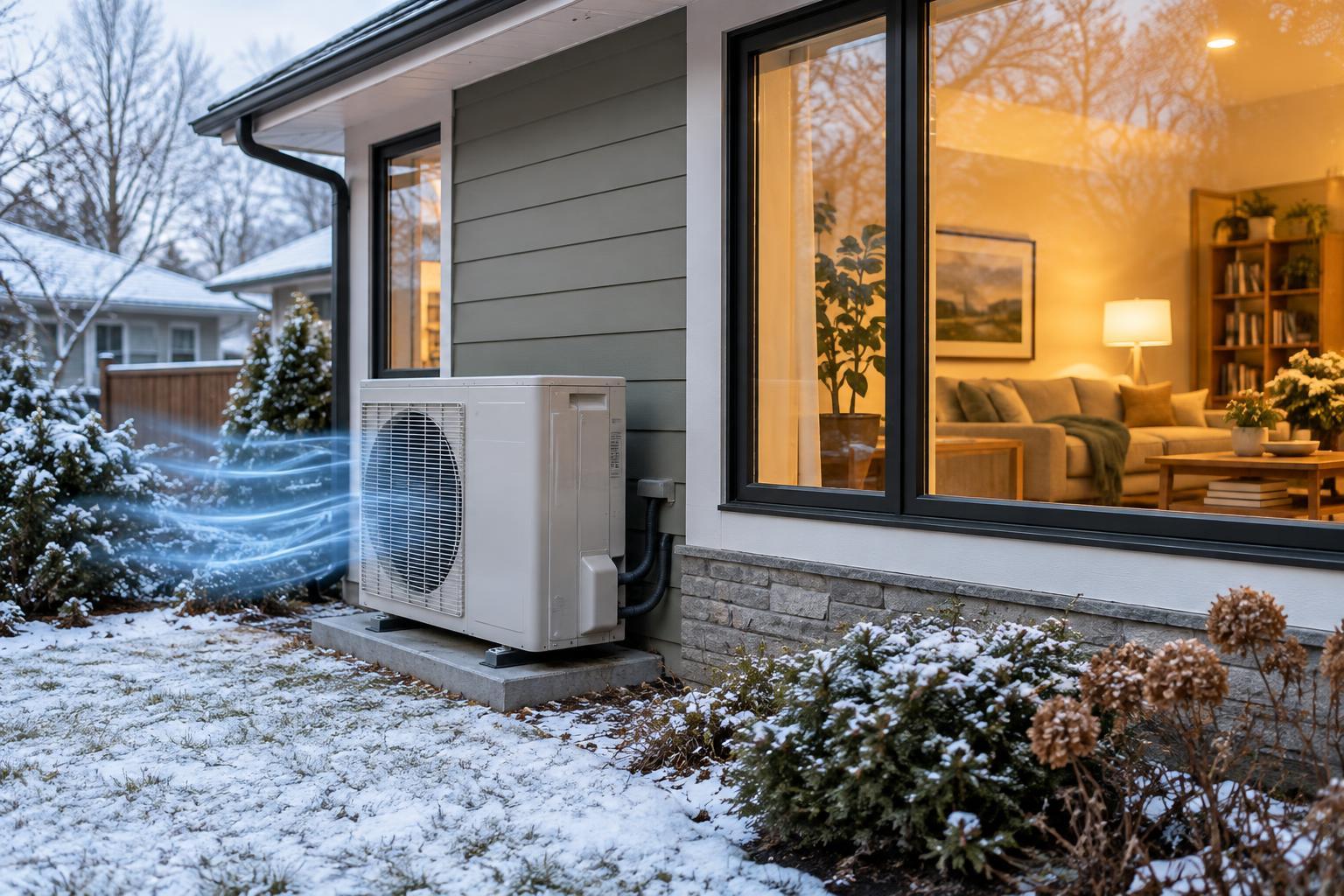
Energy and Climate TechA heat pump uses electricity to move heat rather than create it directly. Here is how the cycle works in winter and summer, what affects comfort and efficiency, and how common home systems differ.
Read article · 4 min↗
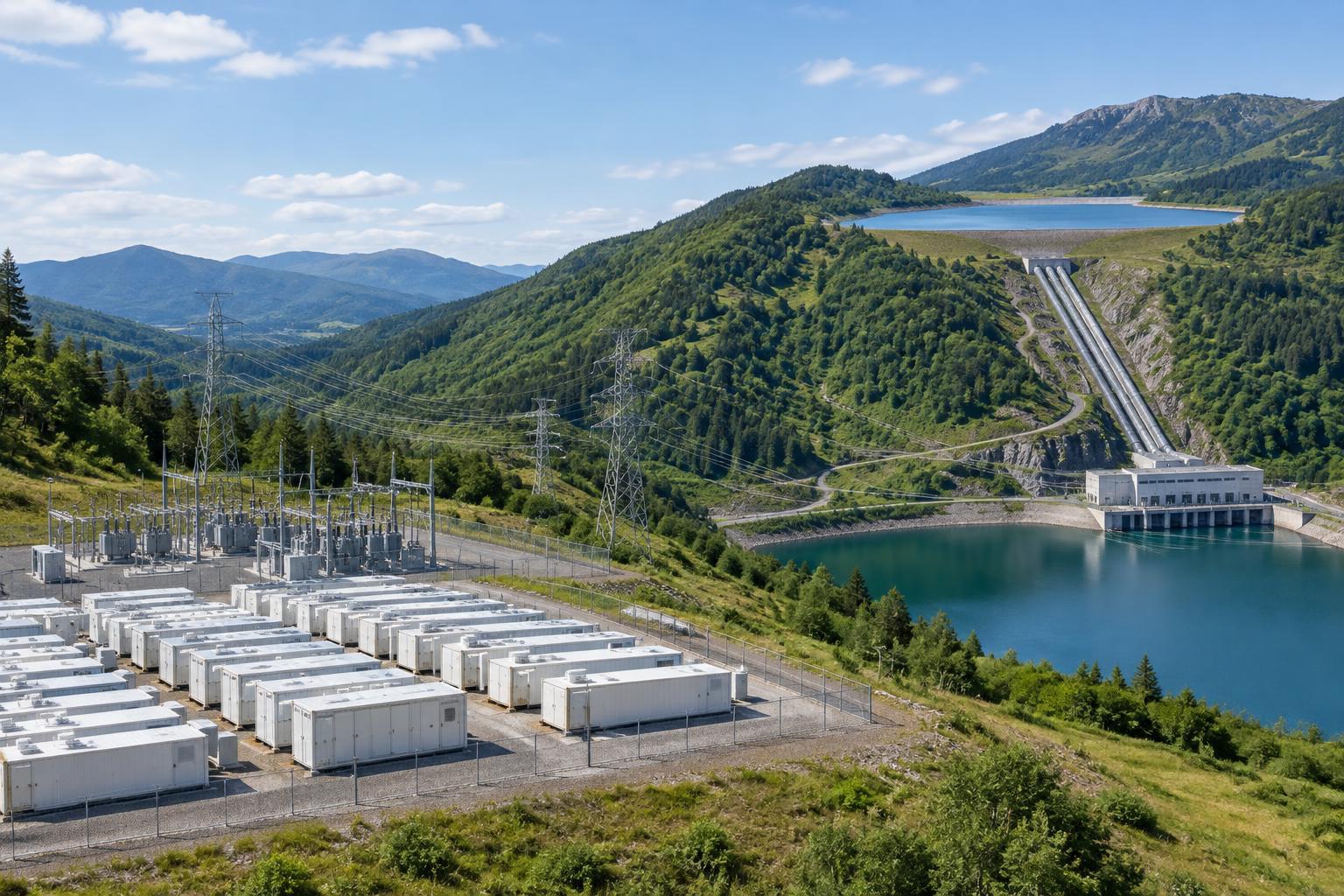
Energy and Climate TechLithium-ion batteries and pumped hydro both help balance electricity supply and demand, but they store energy in very different ways. Here is how each works, where each tends to fit, and why the choice depends on more than storage capacity.
Read article · 4 min↗
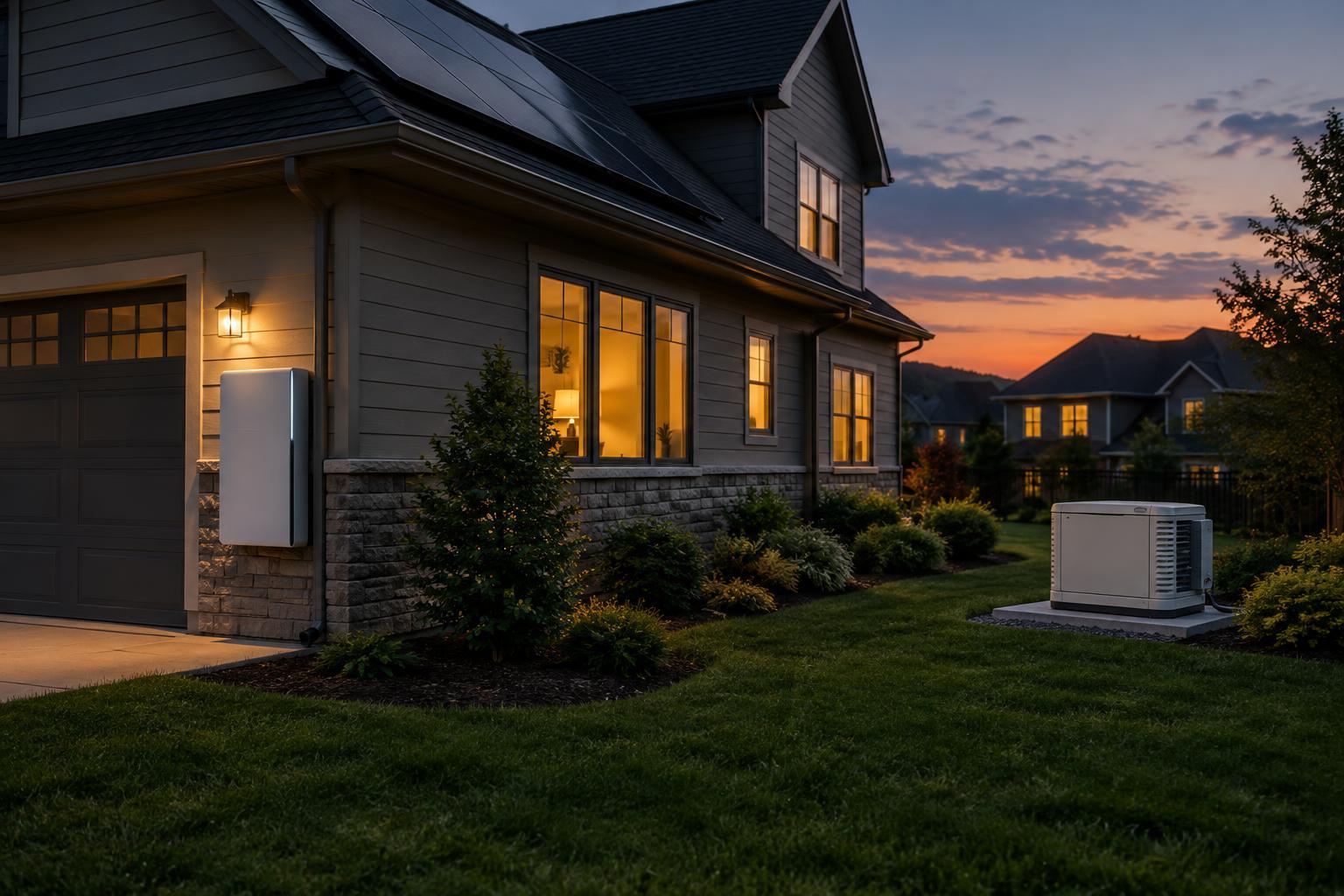
Energy and Climate TechBoth home batteries and backup generators can keep essential devices running during a power outage, but they solve different problems. Here is how to compare their power, runtime, everyday uses and practical limits.
Read article · 4 min↗
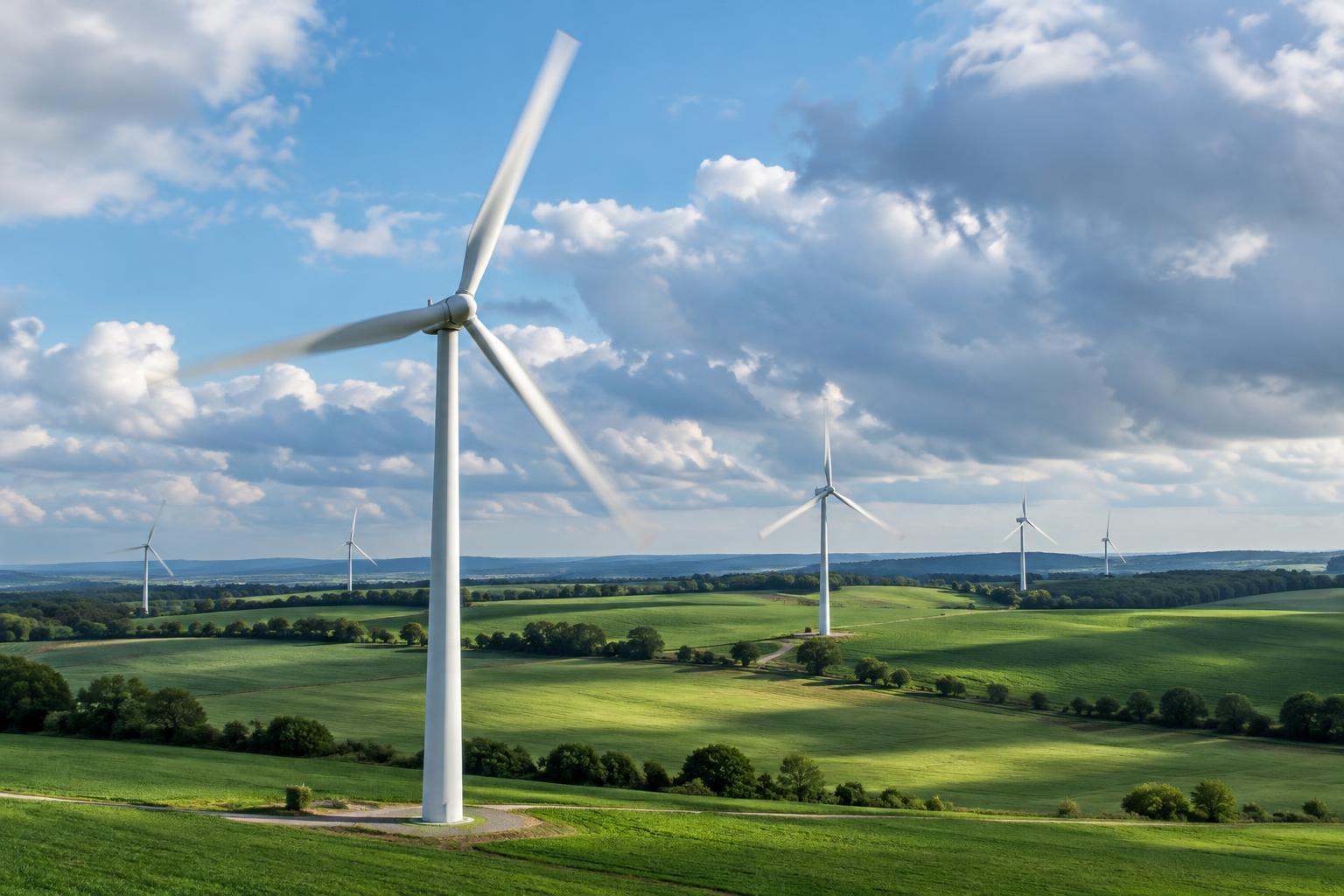
Energy and Climate TechA wind turbine turns moving air into electricity, but its output changes with wind speed, weather and operating limits. Here is how the main components work, why a breezy day does not guarantee steady production, and how grids make use of variable wind power.
Read article · 4 min↗
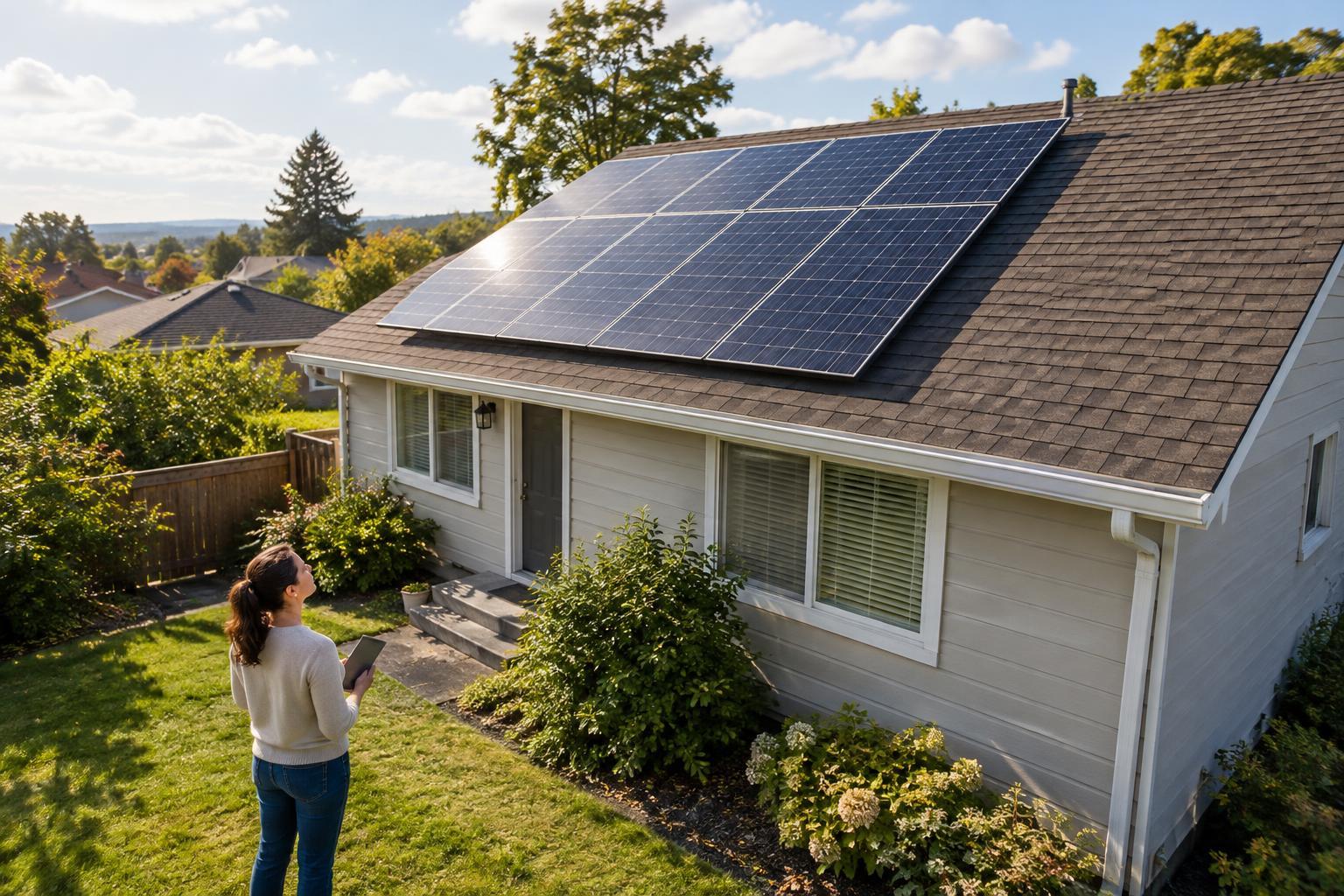
Energy and Climate TechYou can make a useful first estimate of rooftop solar output with three inputs: system size, local peak sun hours and an allowance for everyday losses. Here’s how the calculation works, what it leaves out and how to make the estimate more realistic.
Read article · 4 min↗
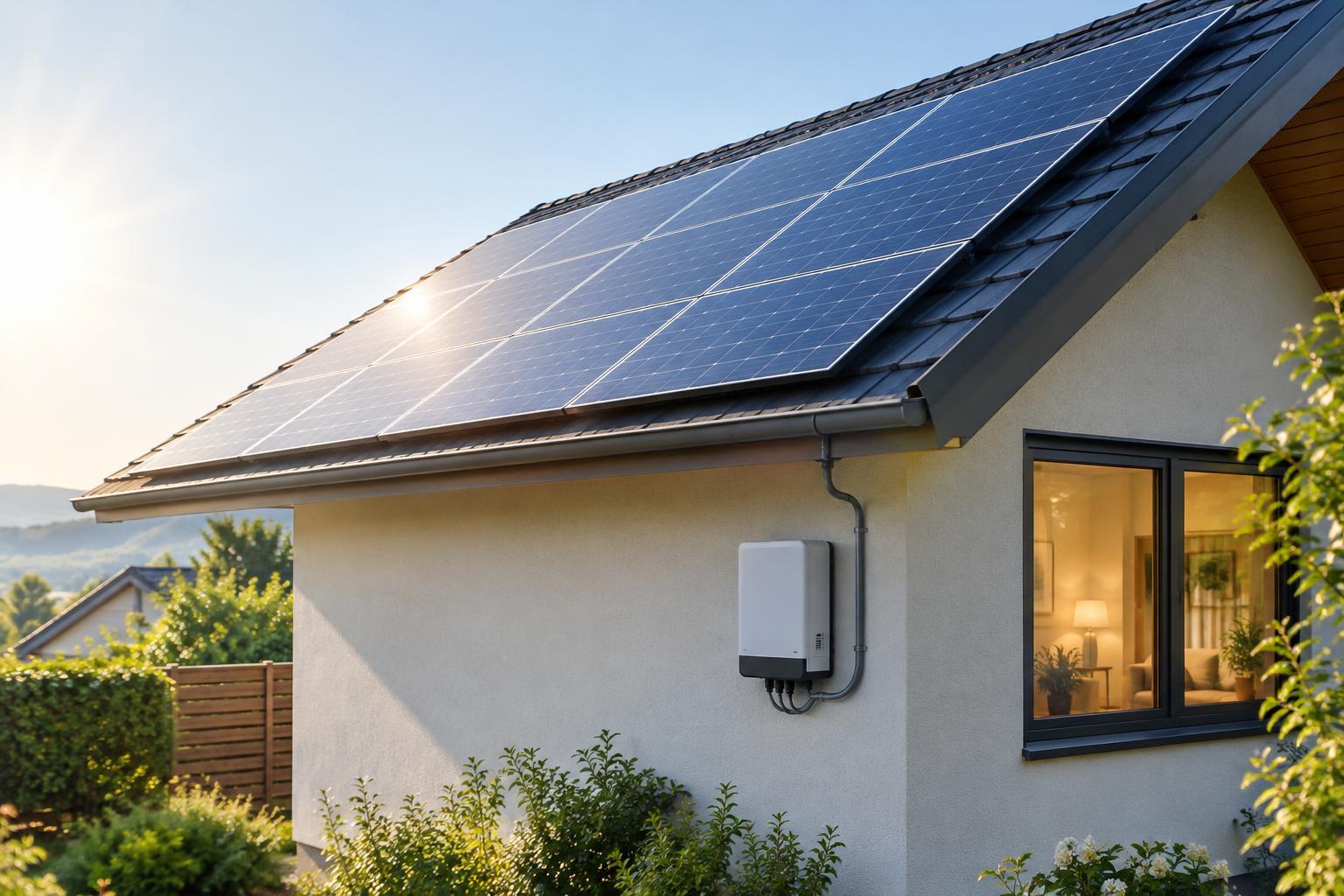
Energy and Climate TechA solar panel does not need the sun’s heat to make electricity. Its cells use light to set electric charges in motion, then an inverter makes that power useful in a home. Here is the process, from the first photon to the wall socket.
Read article · 4 min↗
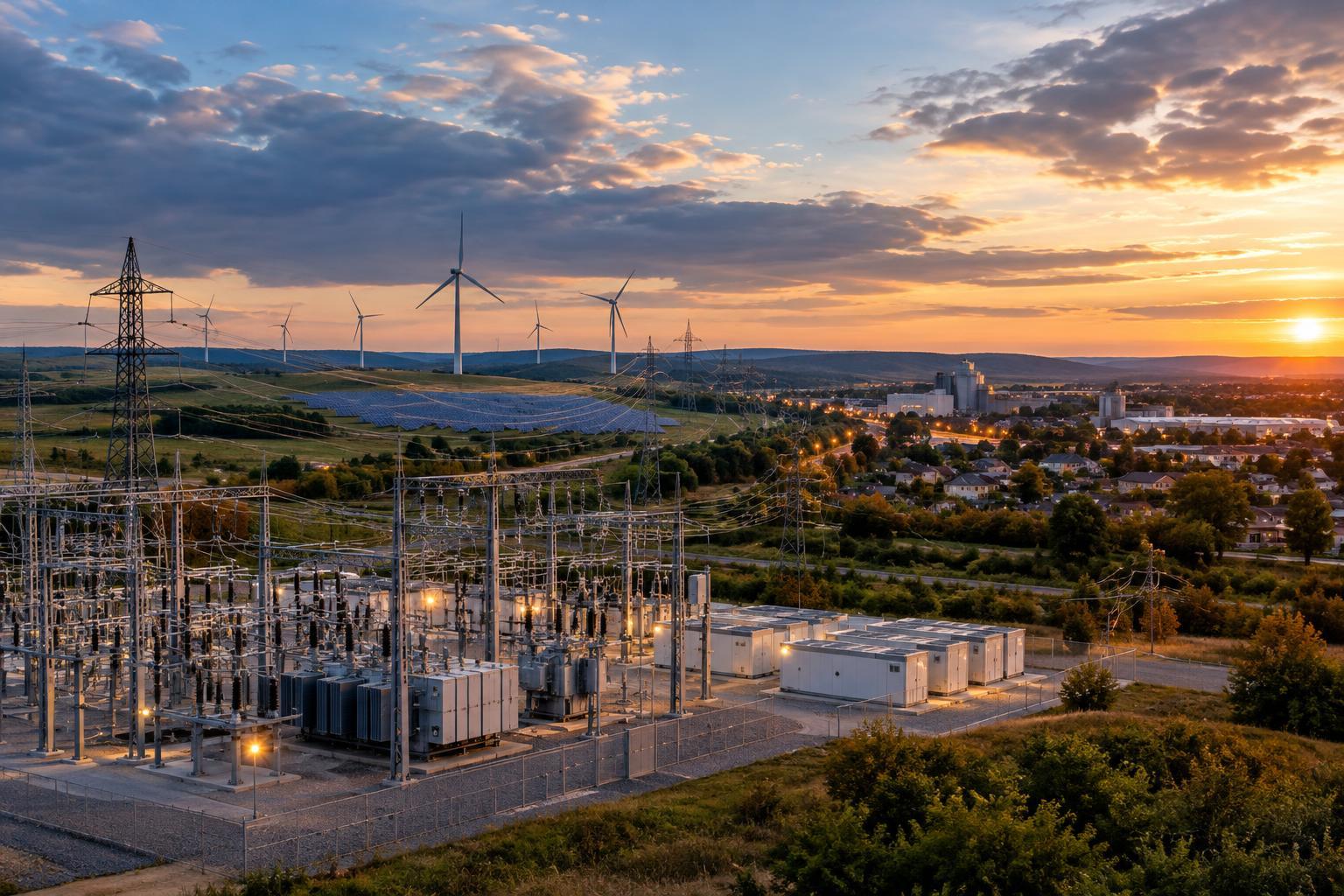
Energy and Climate TechElectricity has to be supplied at nearly the same pace it is used. Here is how grid operators manage that balance, what happens when wind and solar output changes, and how storage and flexible demand can help.
Read article · 3 min↗
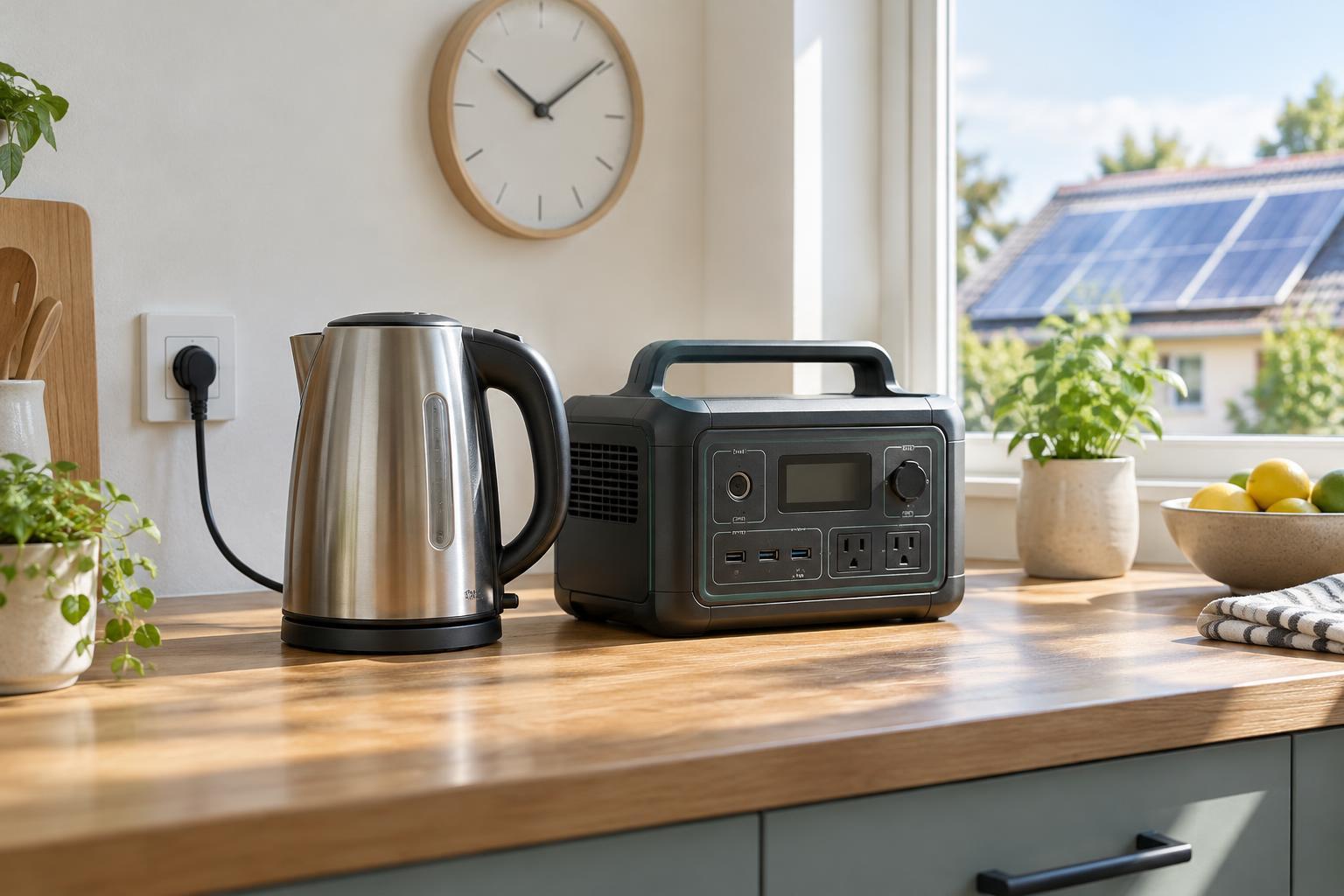
Energy and Climate TechA kilowatt tells you how fast energy is being used or supplied; a kilowatt-hour tells you how much energy has been used or supplied over time. Learn to read appliance labels, electricity bills, battery capacities and solar ratings without mixing the two up.
Read article · 4 min↗