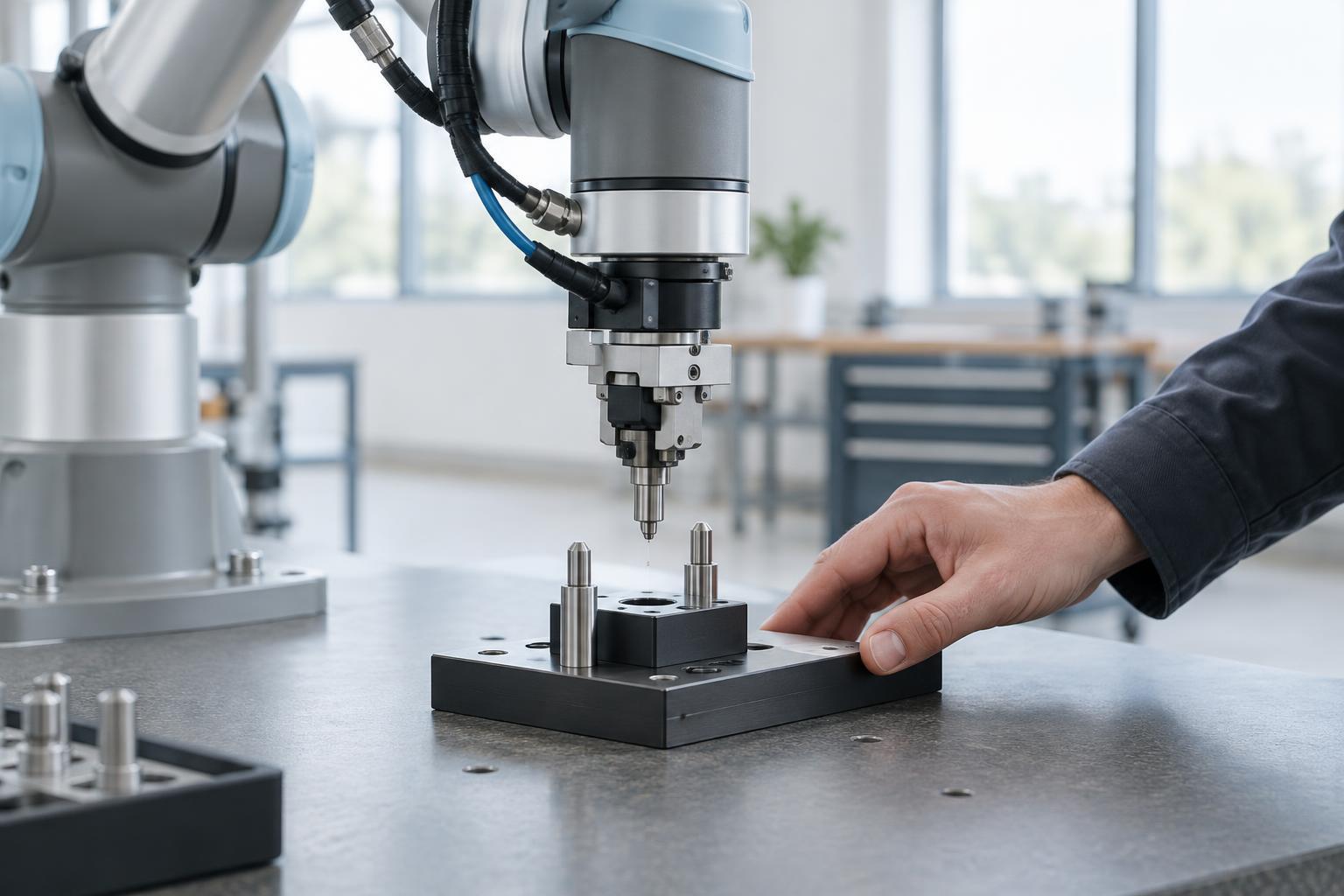
RoboticsA robot can follow its instructions precisely and still miss its target if its measurements no longer match the physical world. Learn what calibration does, how alignment changes, and when a robot needs to be checked again.
Read article · 4 min↗
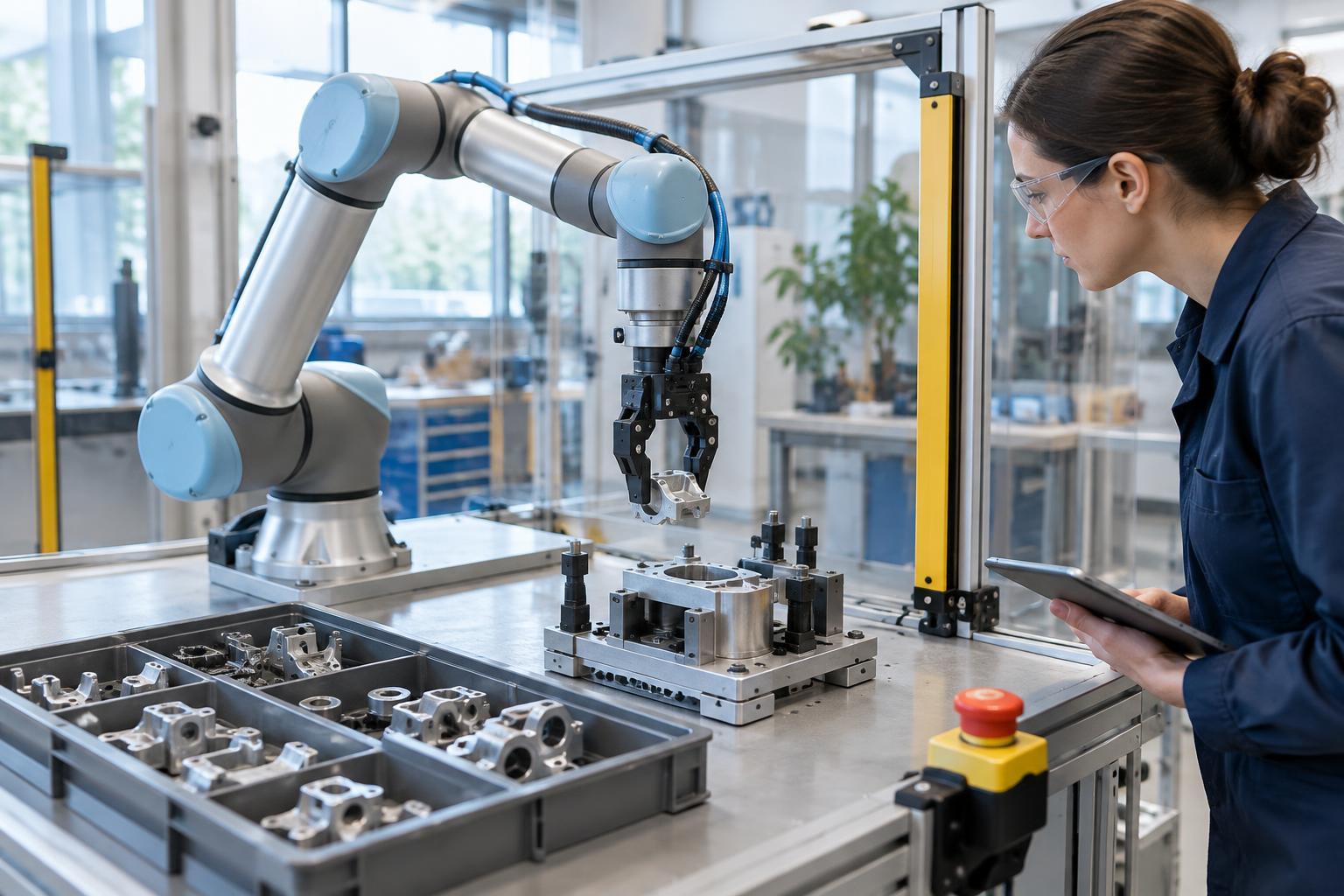
RoboticsA repetitive task may look like an obvious candidate for automation, but the right robot depends on more than how often a motion is repeated. Learn how to assess the task, the workpiece, safety needs and day-to-day operation before choosing a system.
Read article · 4 min↗
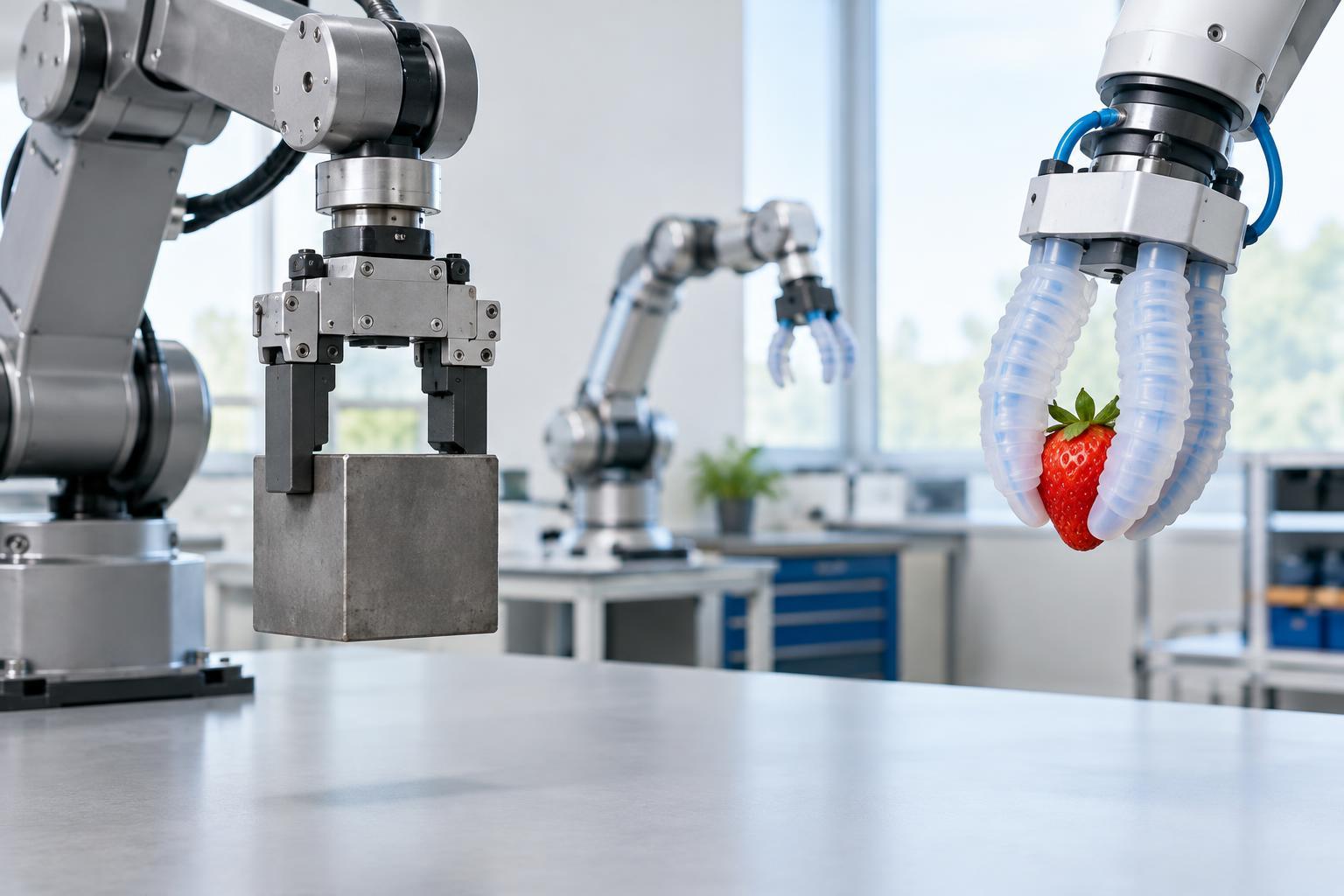
RoboticsA robot’s materials shape what it can lift, touch and survive. Learn why rigid machines suit precise, heavy work, where soft robots can help with delicate objects, and how hybrid designs combine both approaches.
Read article · 4 min↗
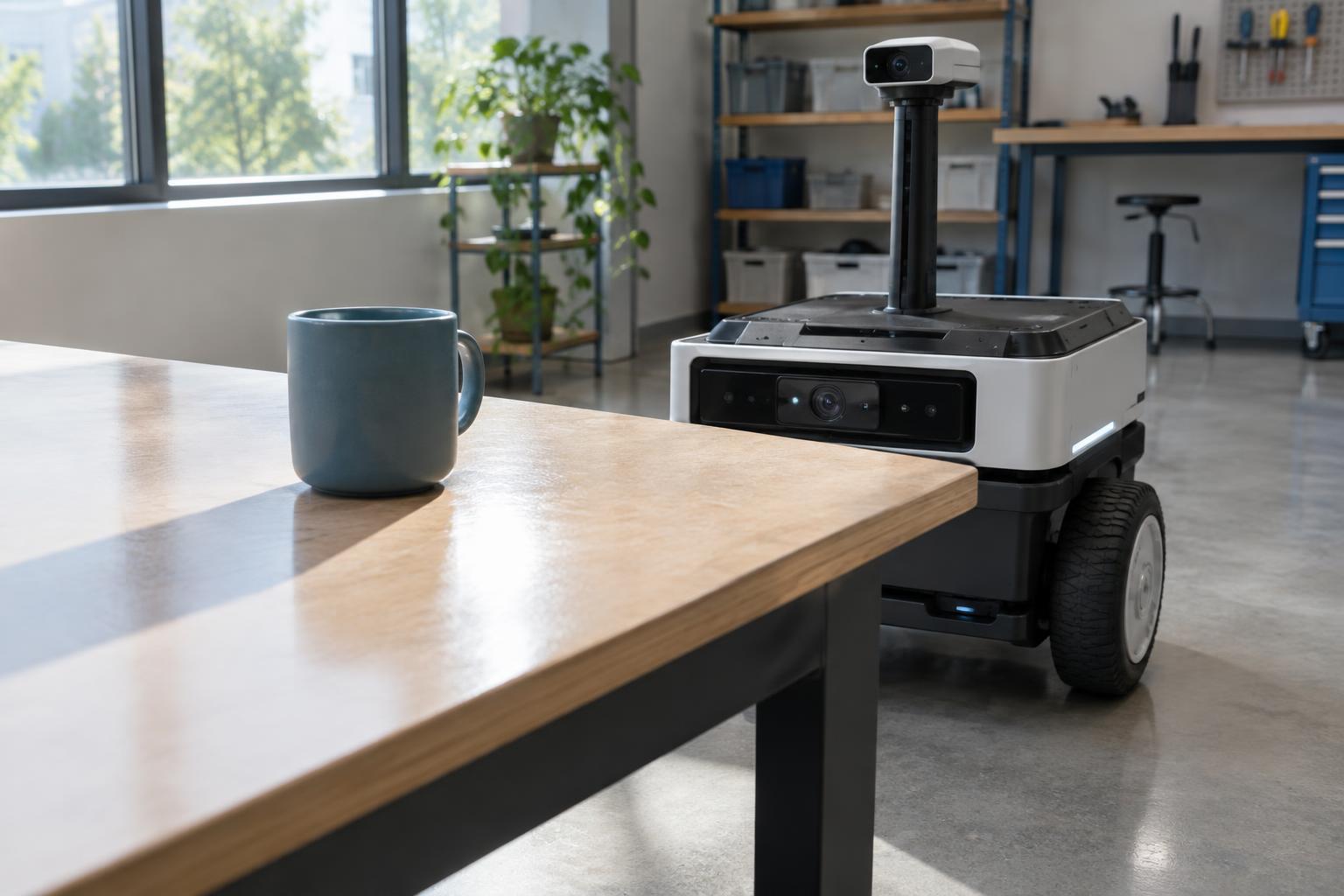
RoboticsA robot camera does not see a room the way a person does. Learn how shadows, glare, viewing angles and camera position affect what a robot can detect—and why a better view can matter as much as better software.
Read article · 4 min↗
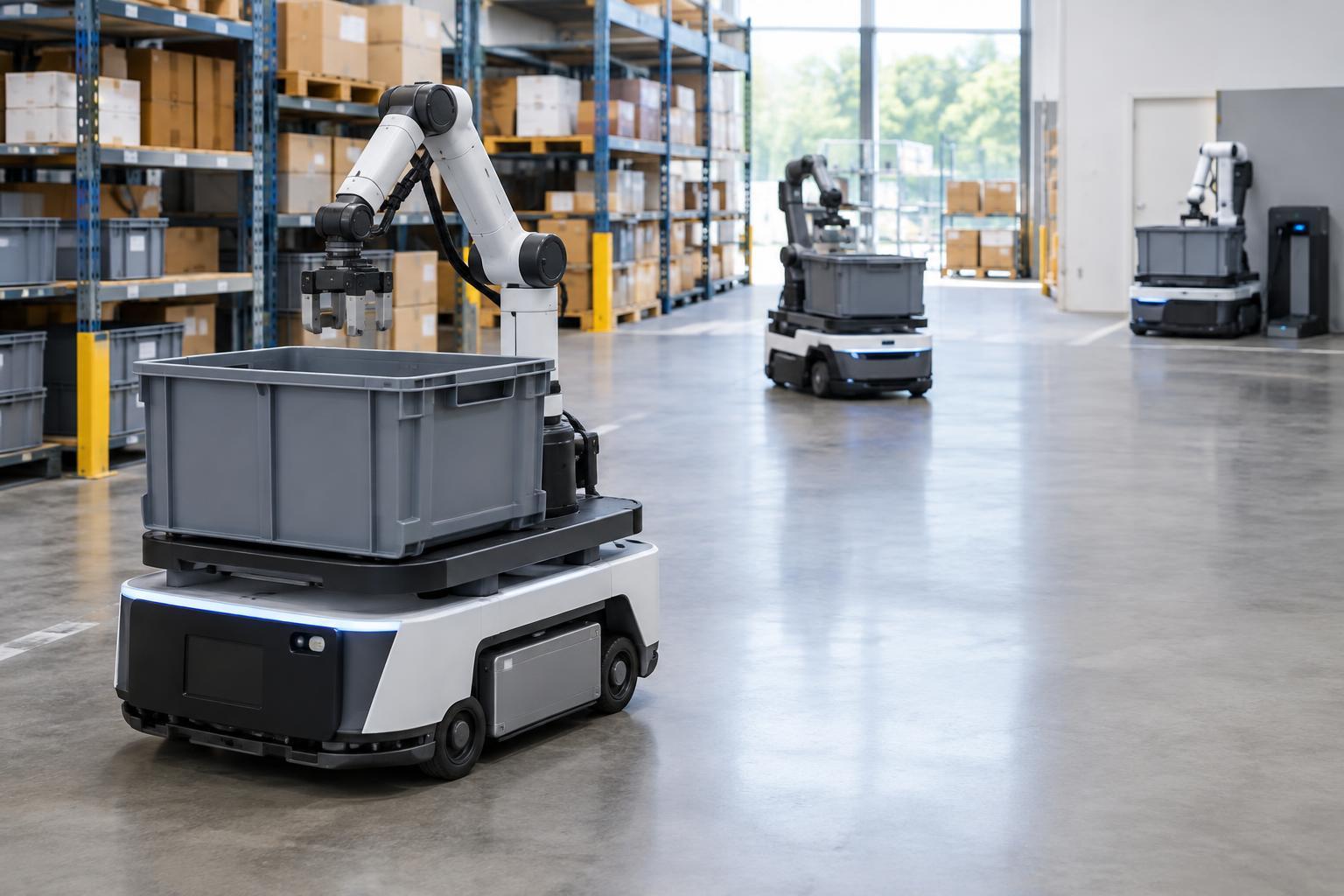
RoboticsA robot rarely uses power at a constant rate. Learn how to combine travel, active work and waiting time into a practical runtime estimate, then account for reserves, changing conditions and charging downtime.
Read article · 4 min↗
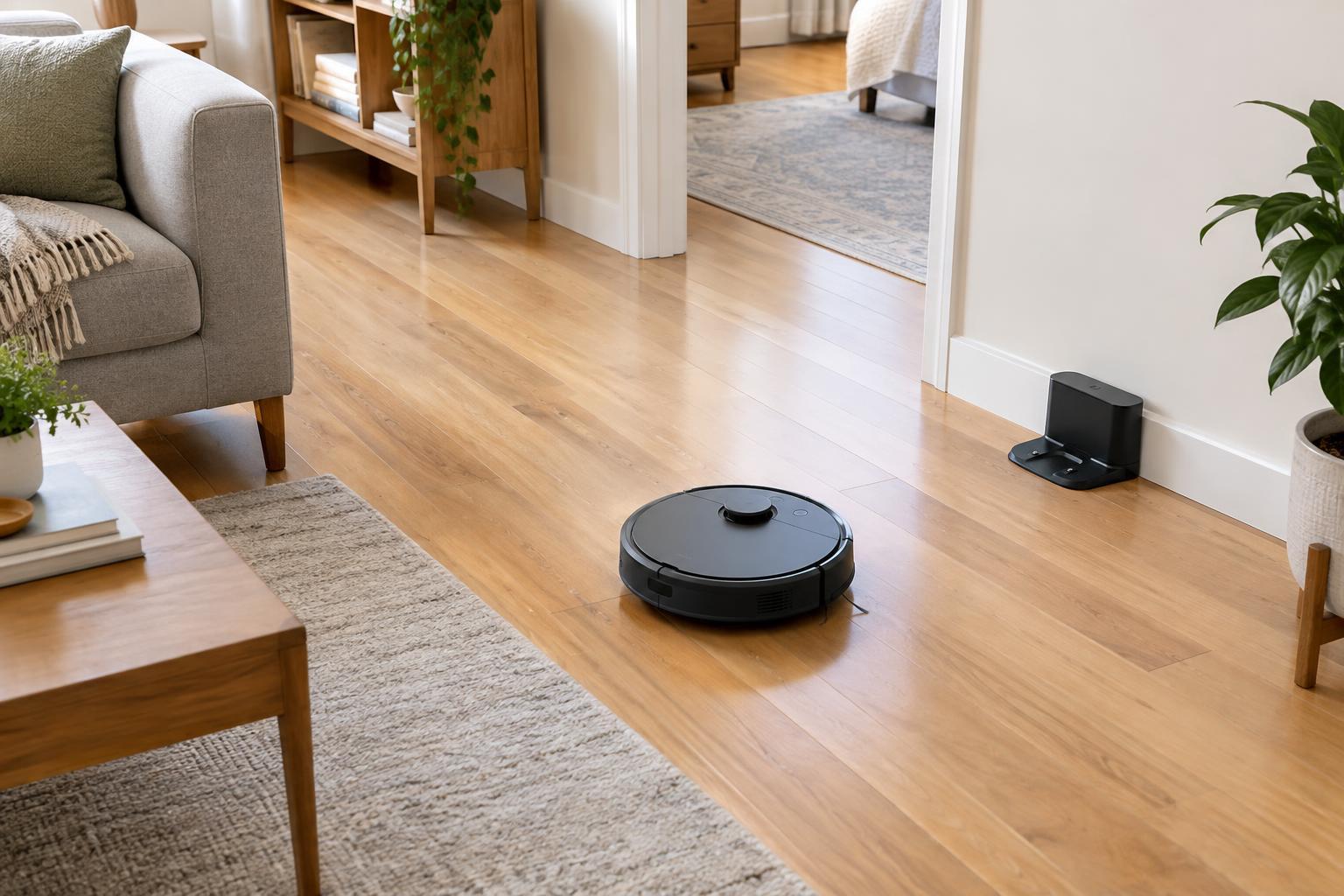
RoboticsA robot vacuum works best when its route is predictable. Learn how to prepare floors, place the charging dock, set up maps and schedules, and maintain the machine so it can clean with fewer interruptions.
Read article · 4 min↗
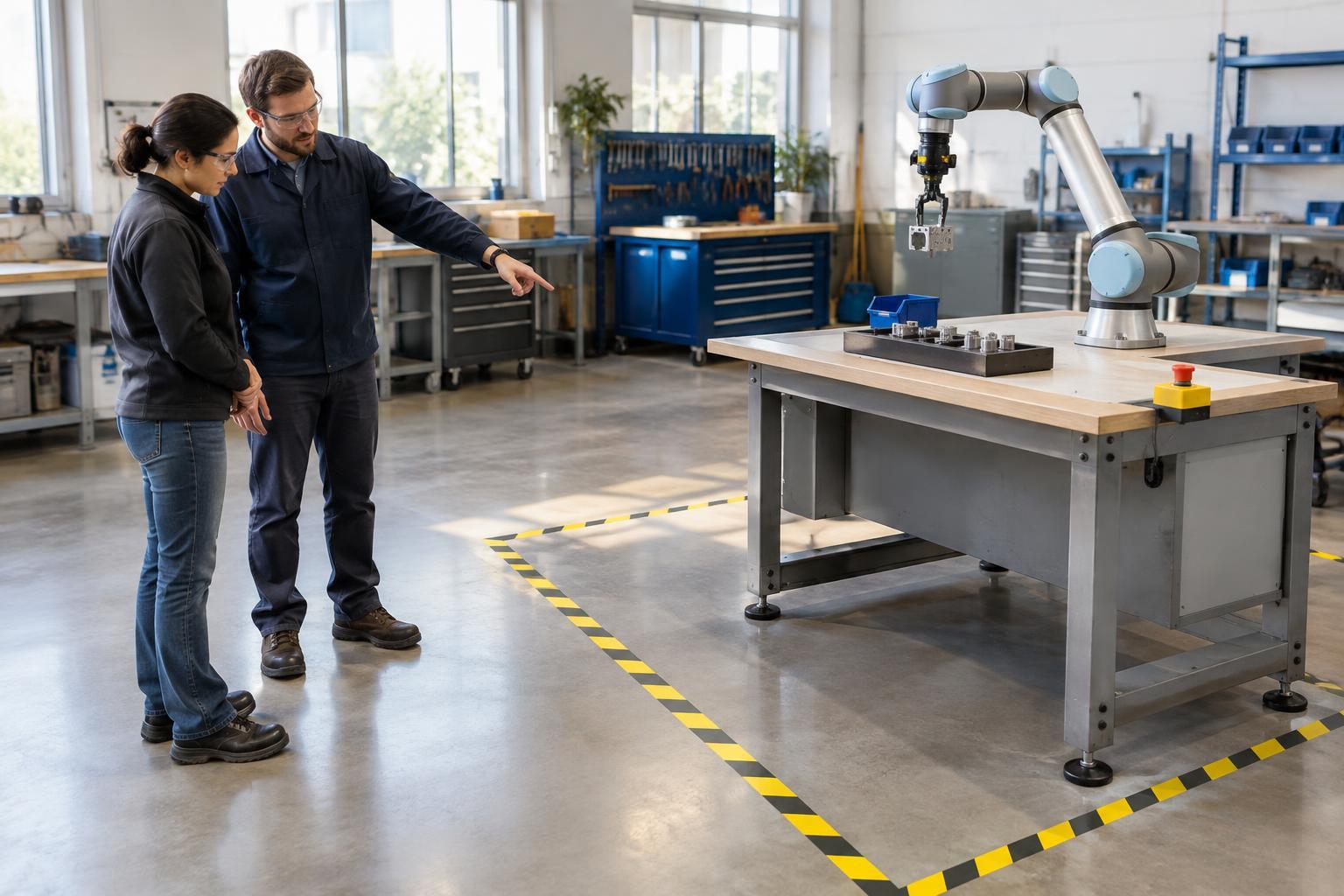
RoboticsRobots can move materials, hold tools and assist with repetitive tasks, but sharing a workspace with one calls for more than keeping out of its way. Learn how to recognize robot operating zones, follow local procedures and respond when something does not look right.
Read article · 3 min↗
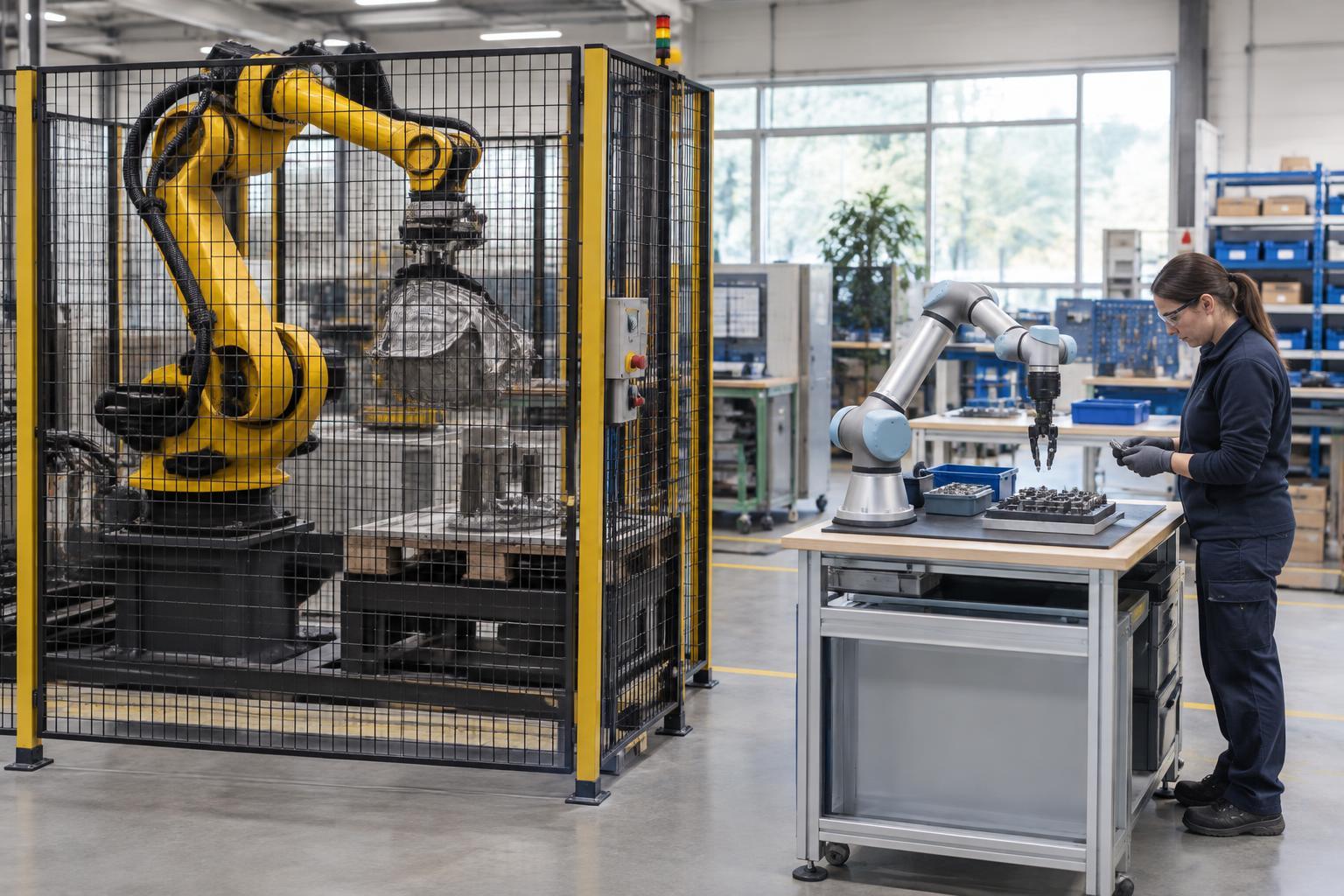
RoboticsIndustrial robot arms and collaborative robots can look similar, but they are often designed for different ways of working. Learn how they compare on safety, speed, payload, flexibility and the tasks they suit best.
Read article · 4 min↗
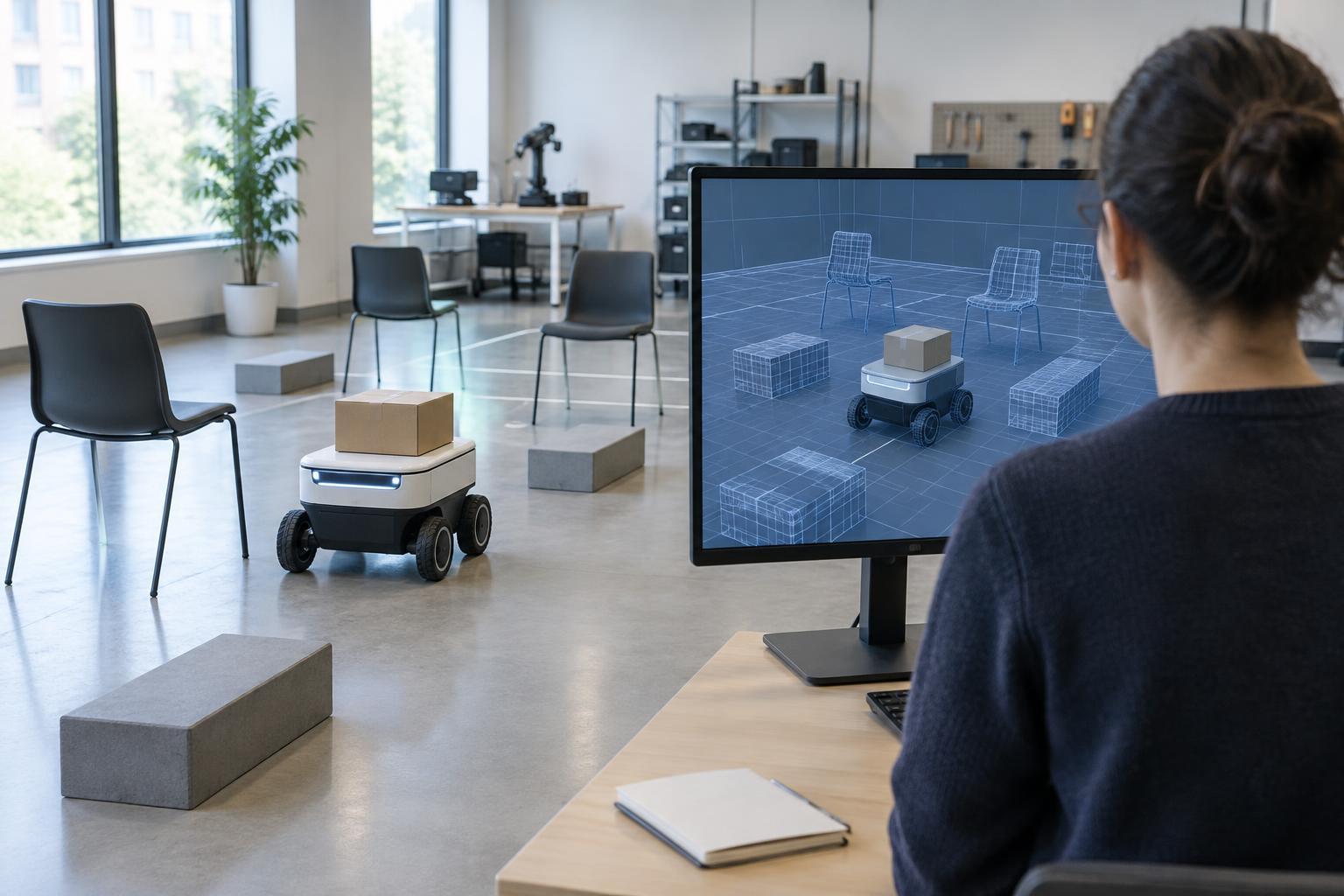
RoboticsBefore a robot carries a package or navigates a hallway, its developers can rehearse the task in a virtual environment. Simulation offers a way to find problems, compare designs and practice difficult situations—but real-world testing remains essential.
Read article · 4 min↗
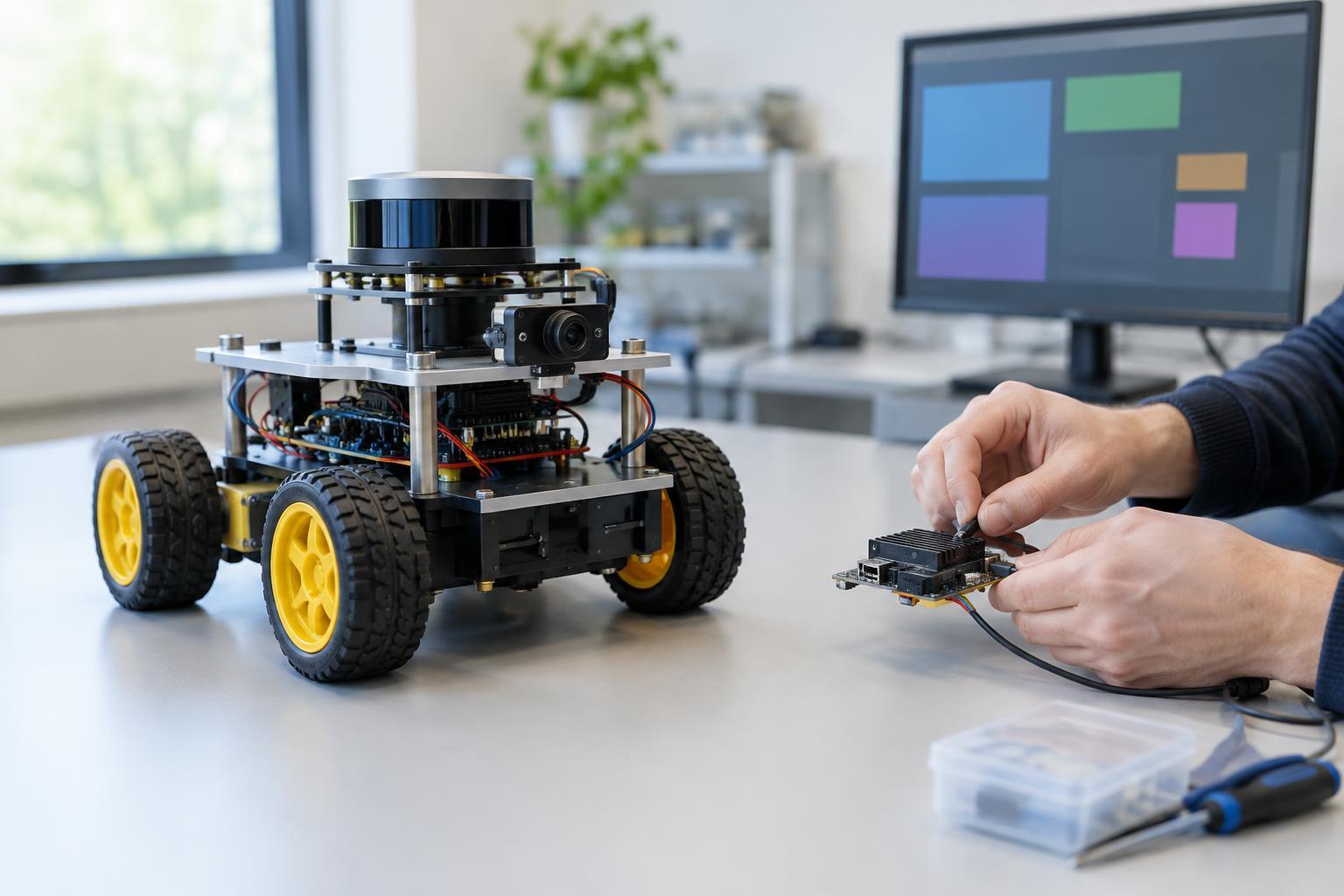
RoboticsROS 2 helps a robot’s software components exchange information and work together. A simple mobile-robot example shows where it fits, why developers use it, and which jobs still require hardware, careful engineering and testing.
Read article · 4 min↗
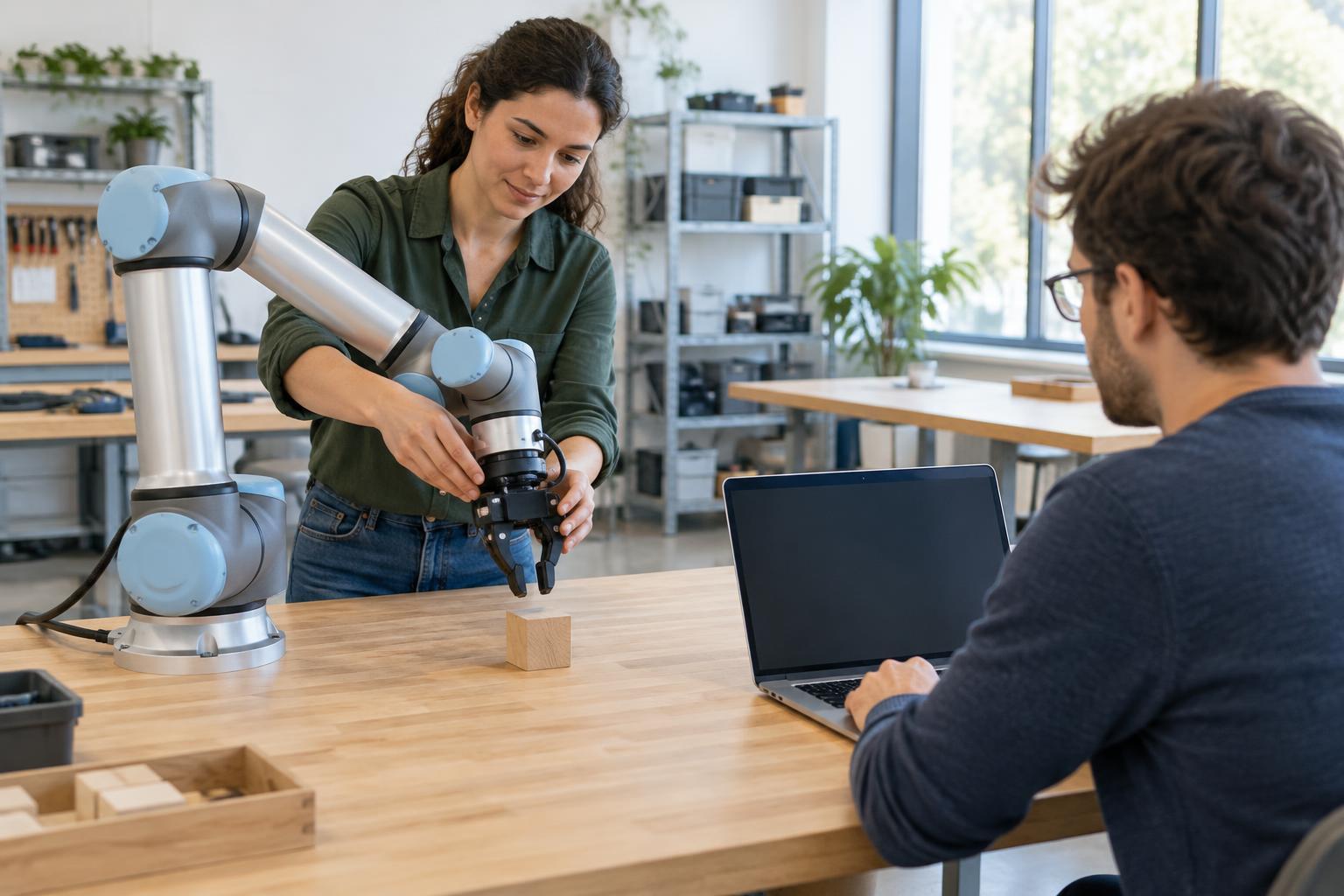
RoboticsA robot can follow movements specified by a programmer or learn a pattern from someone showing it a task. Here is how the two approaches differ, where each works best, and why useful robots often combine them.
Read article · 4 min↗
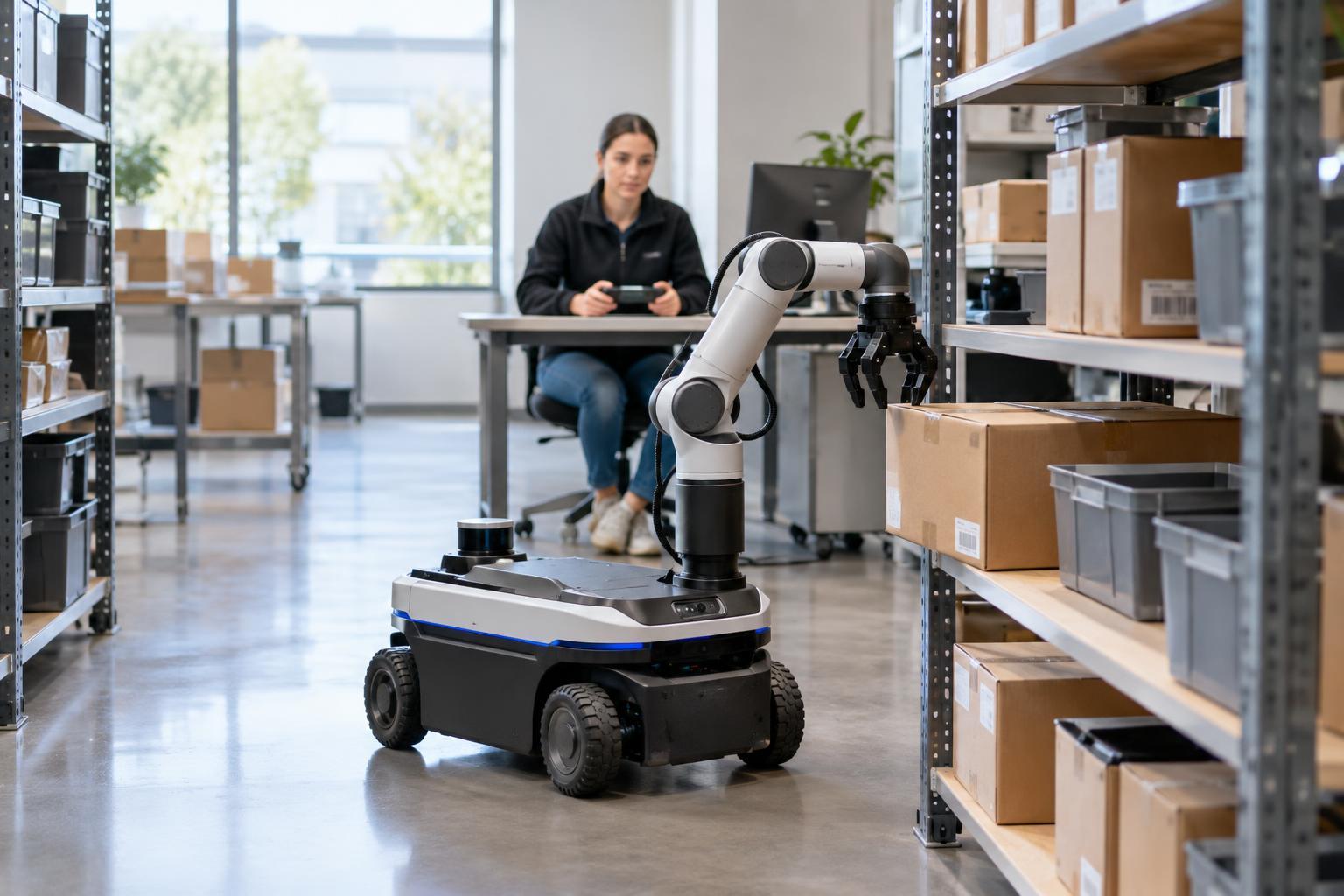
RoboticsA robot may move on its own without working entirely on its own. Learn how teleoperation, supervised autonomy and task-specific automation divide decisions between machines and people.
Read article · 4 min↗
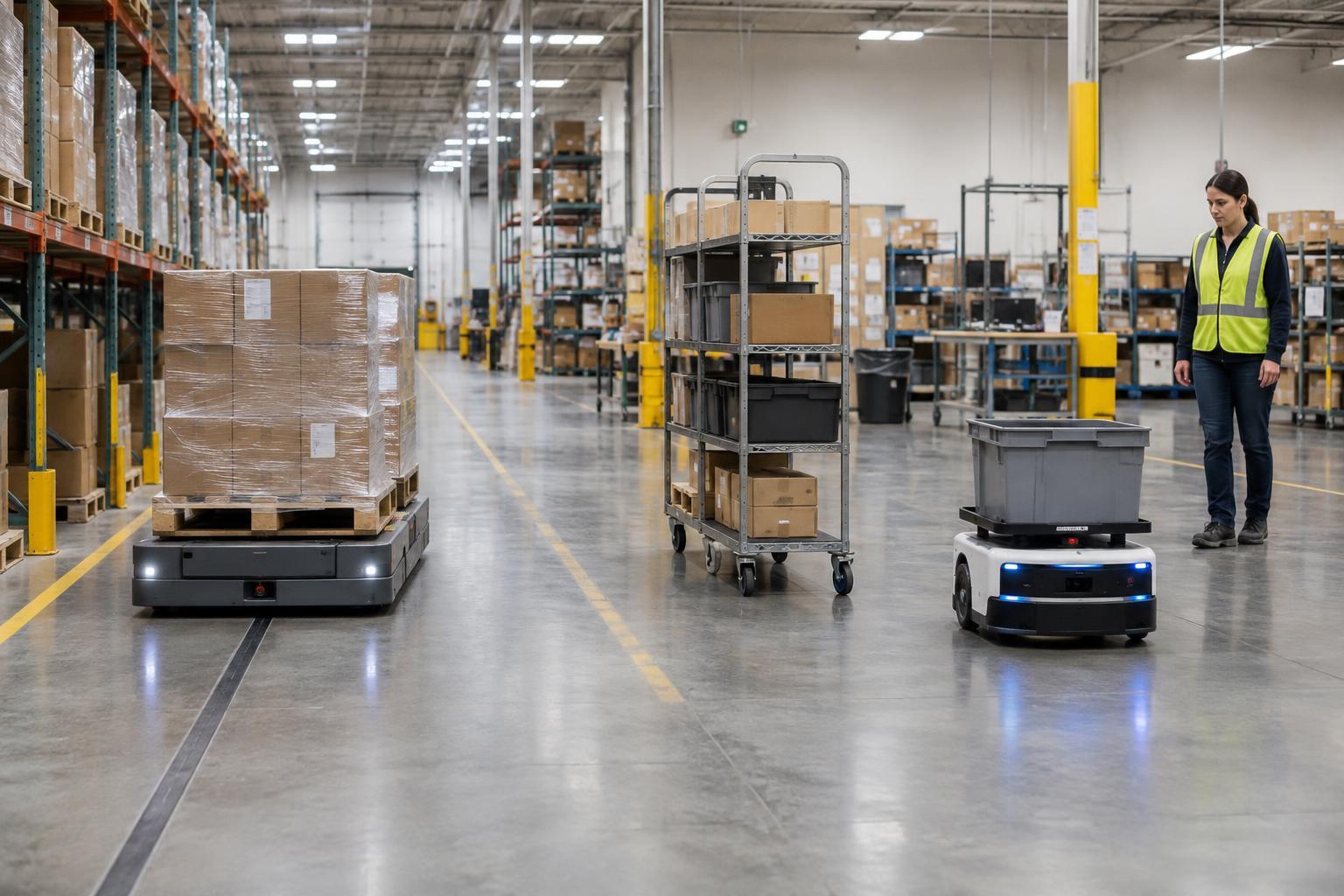
RoboticsAutomated guided vehicles and autonomous mobile robots both move goods through warehouses, but they differ in how they navigate and respond to change. Here is a practical guide to their strengths, limits and suitable tasks.
Read article · 4 min↗
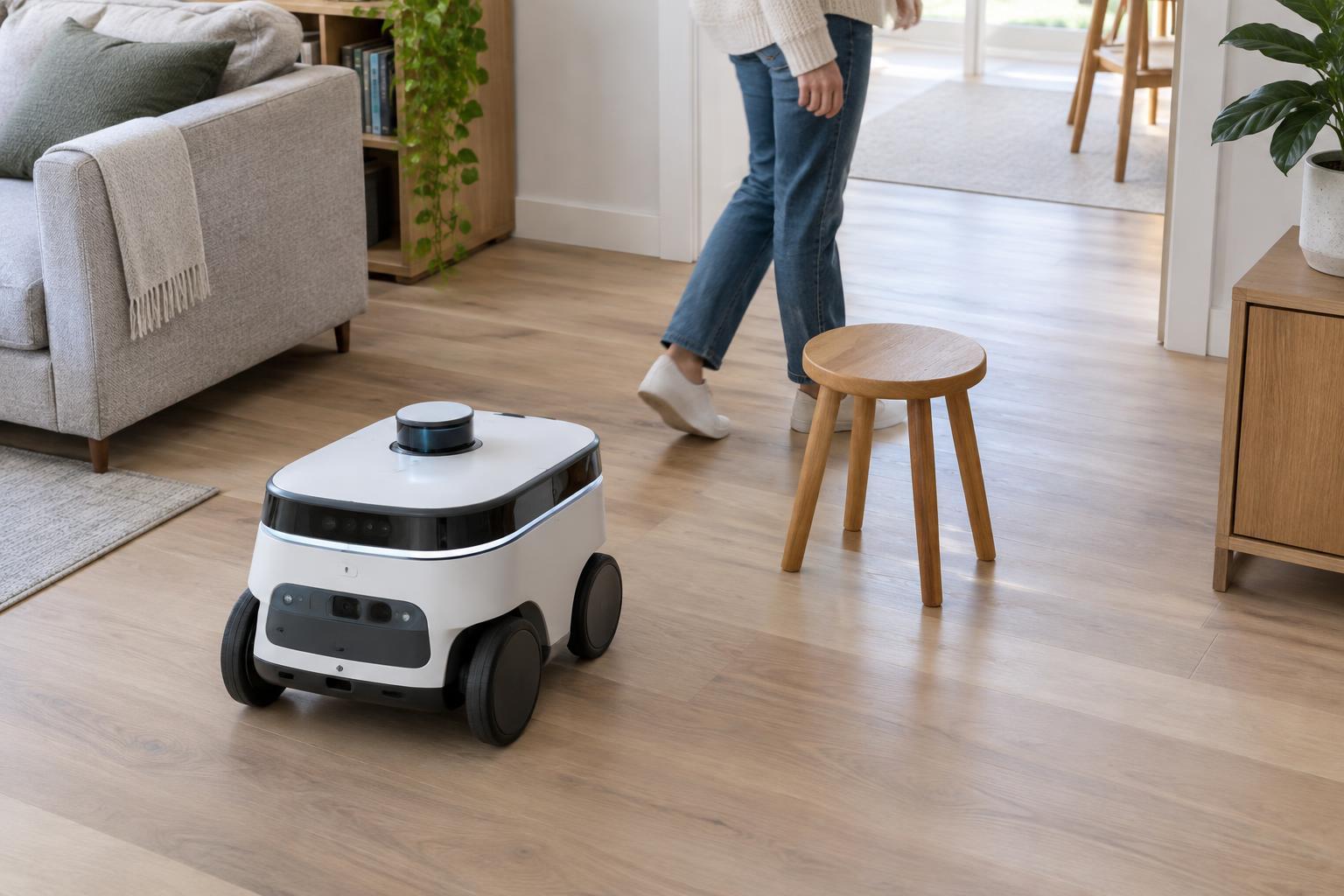
RoboticsA mobile robot needs to know where it is going and how to respond when something gets in the way. Path planning and obstacle avoidance solve different parts of that problem. Here is how they work together, from warehouse routes to robots moving through a busy home.
Read article · 4 min↗
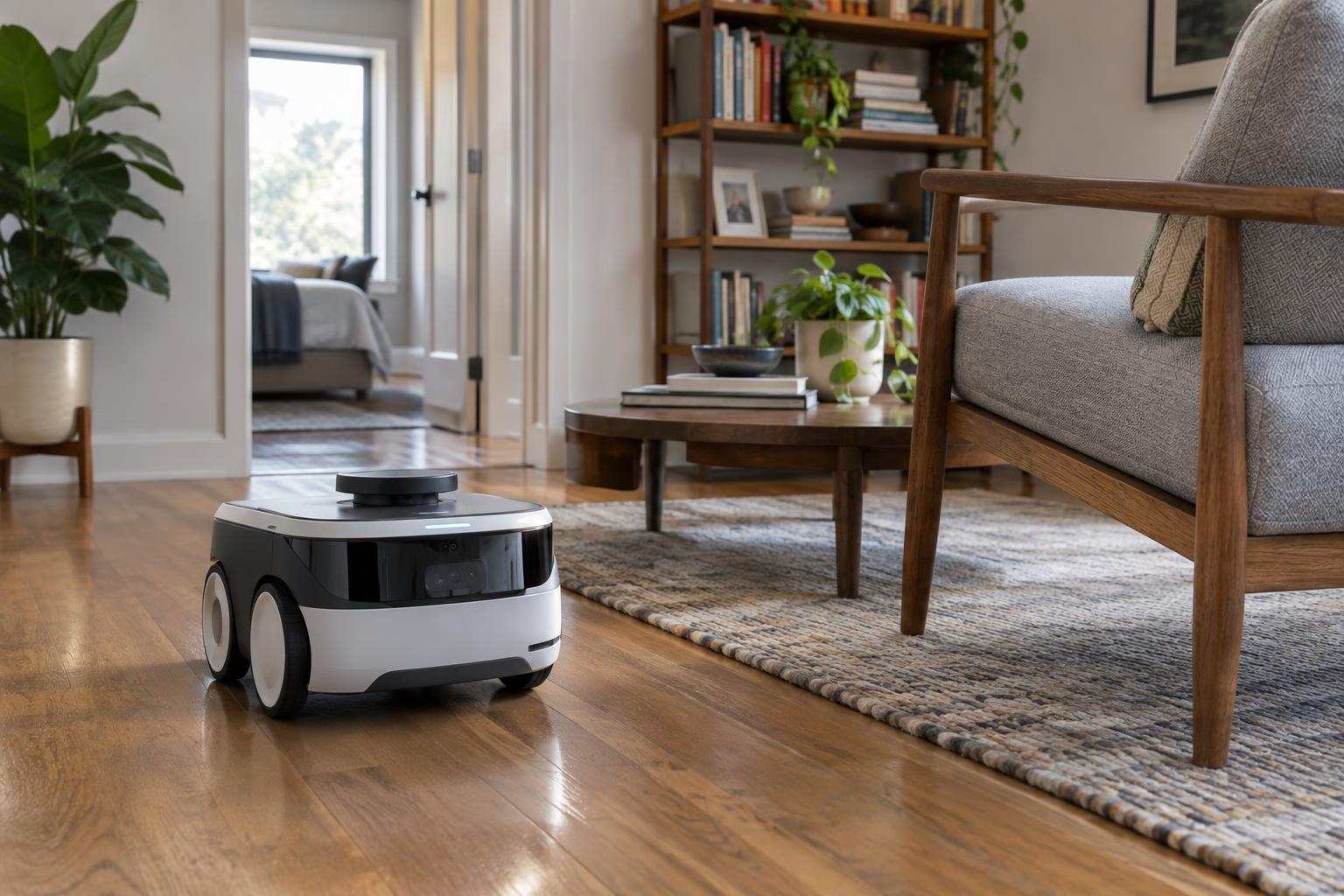
RoboticsAn indoor robot needs more than a floor plan to navigate. Learn how sensors, movement estimates and recognizable landmarks help it build a map, track its position and recover when a room changes.
Read article · 3 min↗
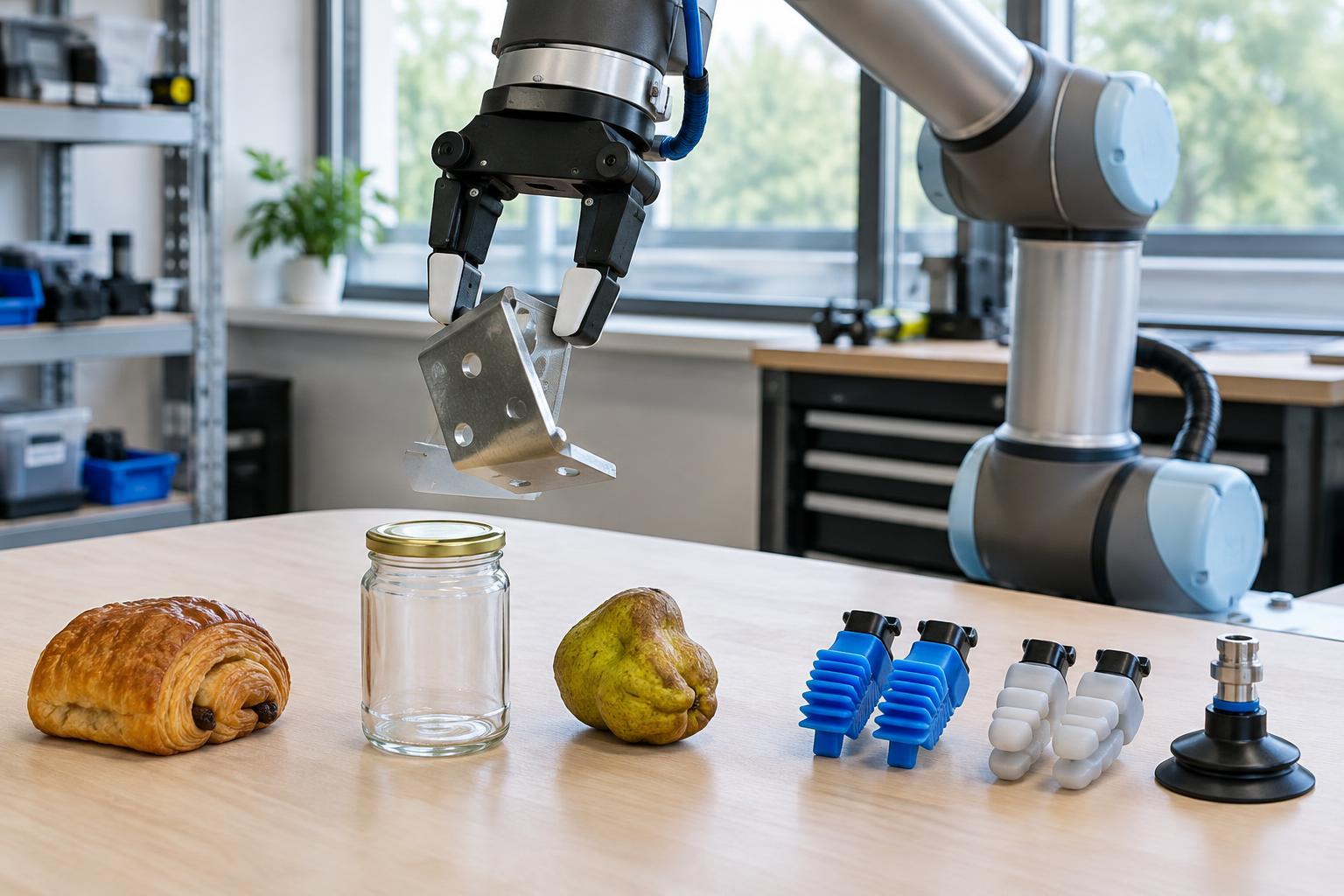
RoboticsA robot hand that lifts a metal bracket may be a poor choice for a soft pastry. Learn how shape, surface, weight and fragility guide gripper selection, and why testing real objects matters more than finding one supposedly universal tool.
Read article · 4 min↗
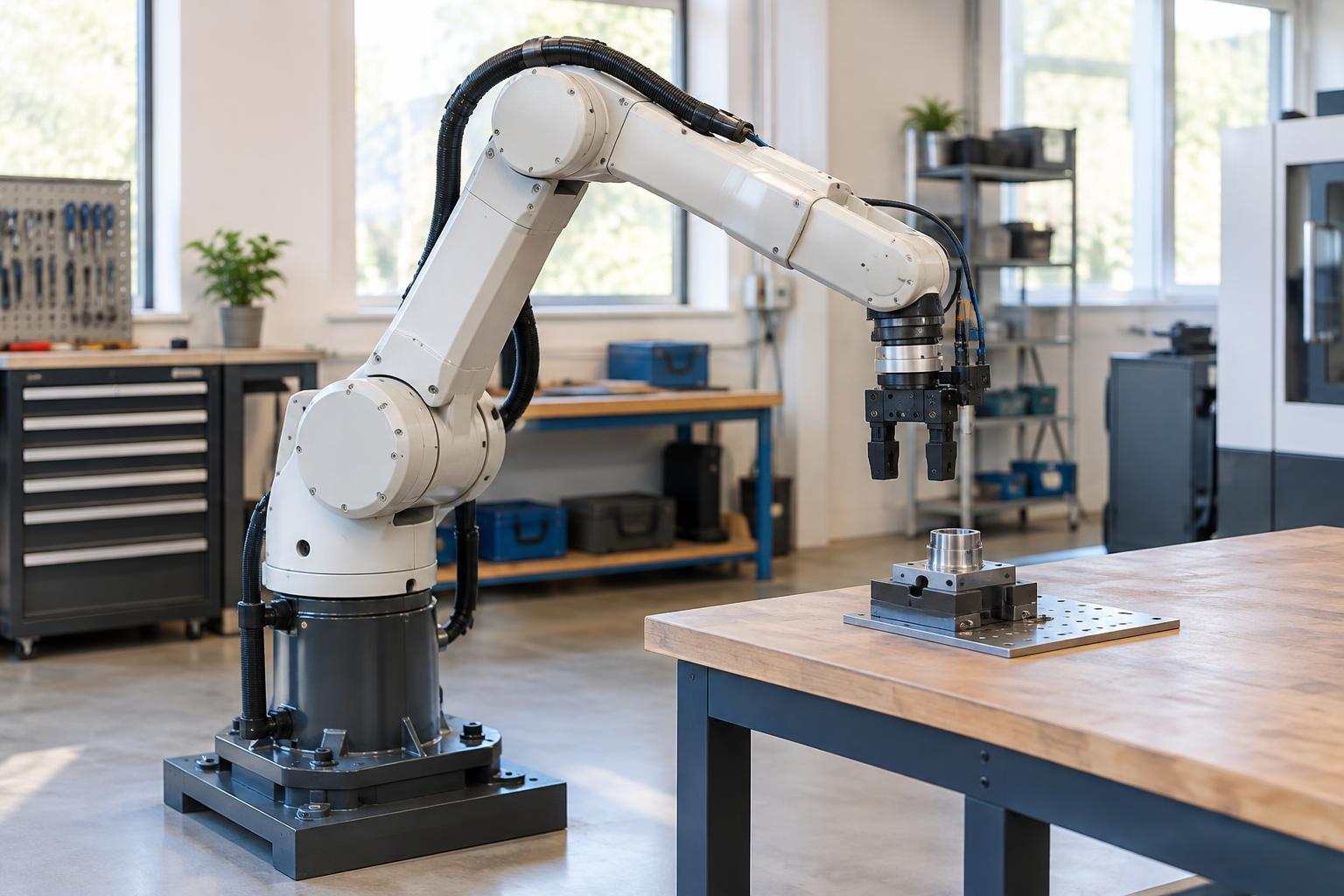
RoboticsA robot arm does more than move a tool from one point to another. Its reach, payload and precision determine which tasks it can perform, while the tool, workpiece and surrounding space shape how well it performs them.
Read article · 4 min↗
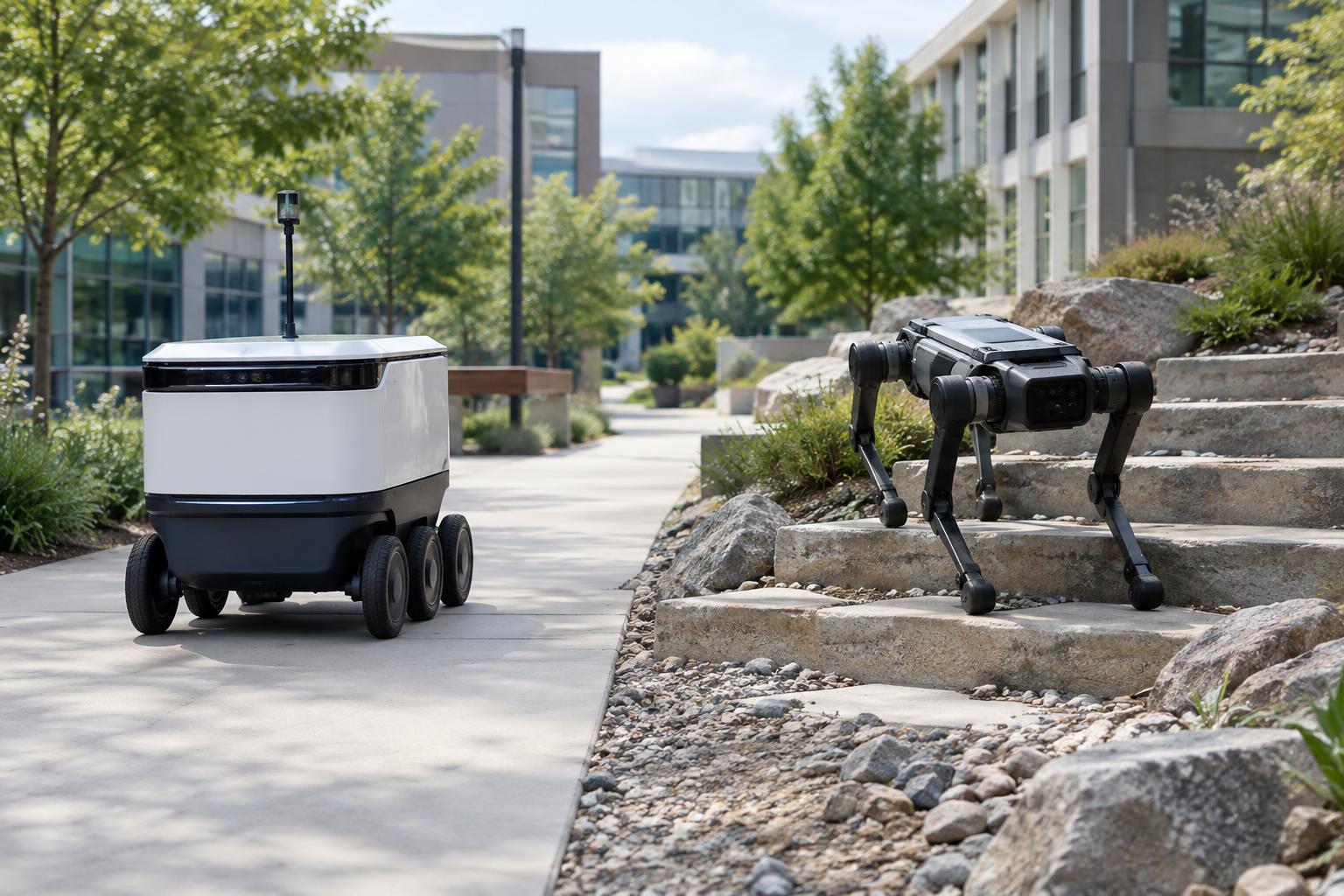
RoboticsWheels make robots efficient on predictable surfaces, while legs can help them navigate steps, gaps and clutter. Here is how terrain, energy use and task design shape the choice.
Read article · 4 min↗
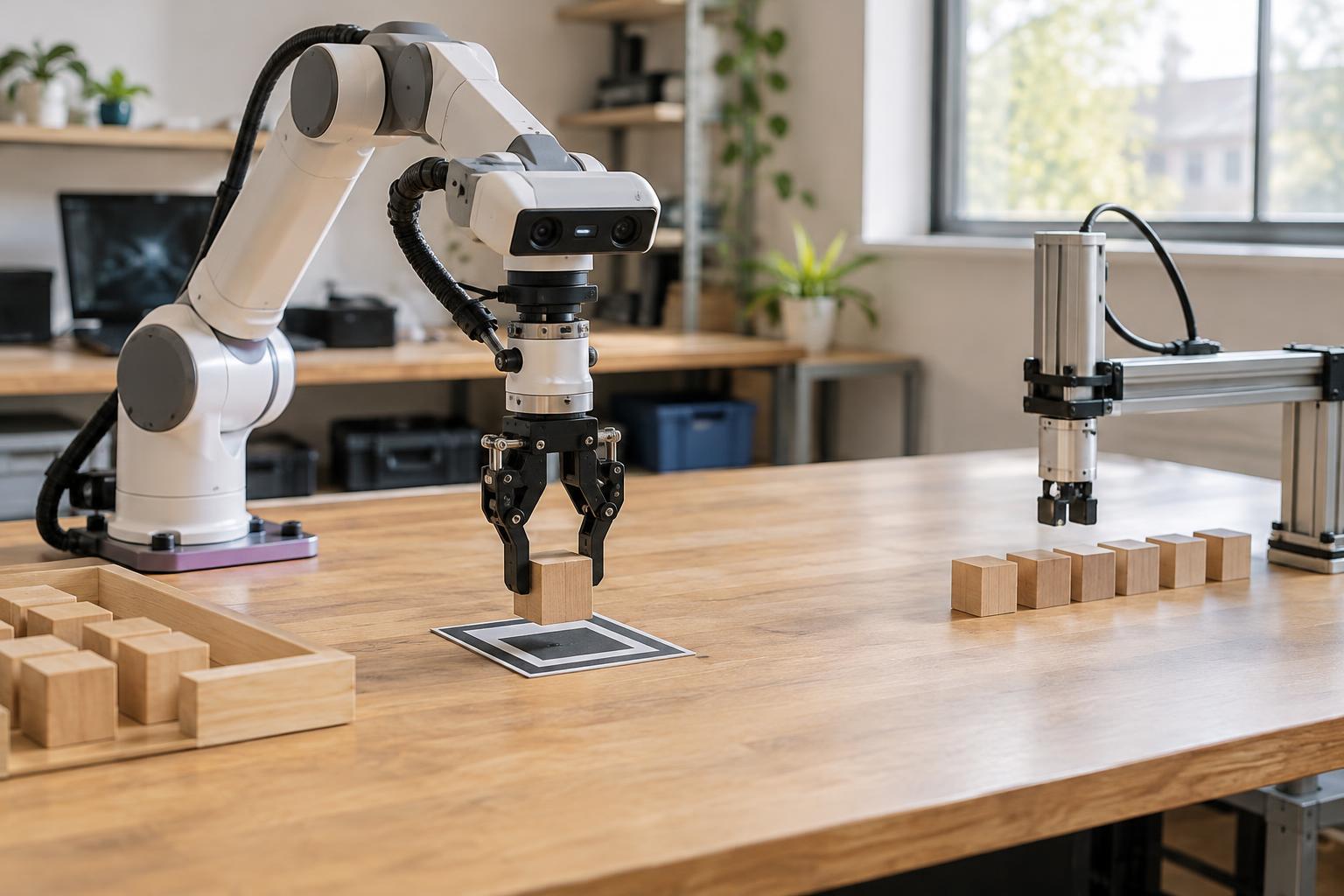
RoboticsA robot can follow a preset command or adjust its actions using sensor feedback. Learn how open-loop and closed-loop control work, where each is useful, and why many robots combine both.
Read article · 4 min↗
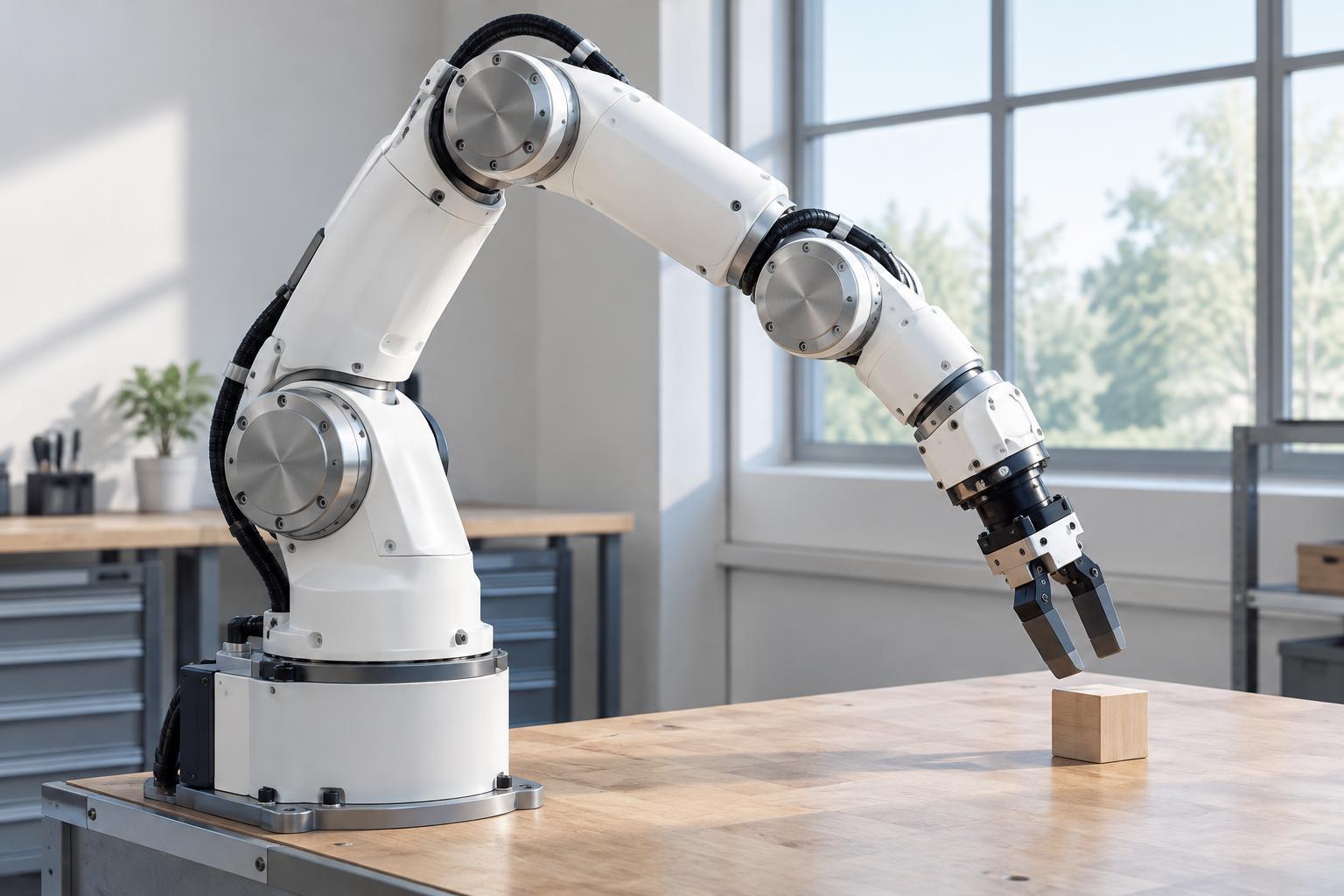
RoboticsA robot arm can bend, turn and slide, but how do engineers describe what it can actually do? Learn how joints and degrees of freedom define movement, why six axes matter for positioning a tool, and why a higher number does not automatically mean a more capable robot.
Read article · 4 min↗
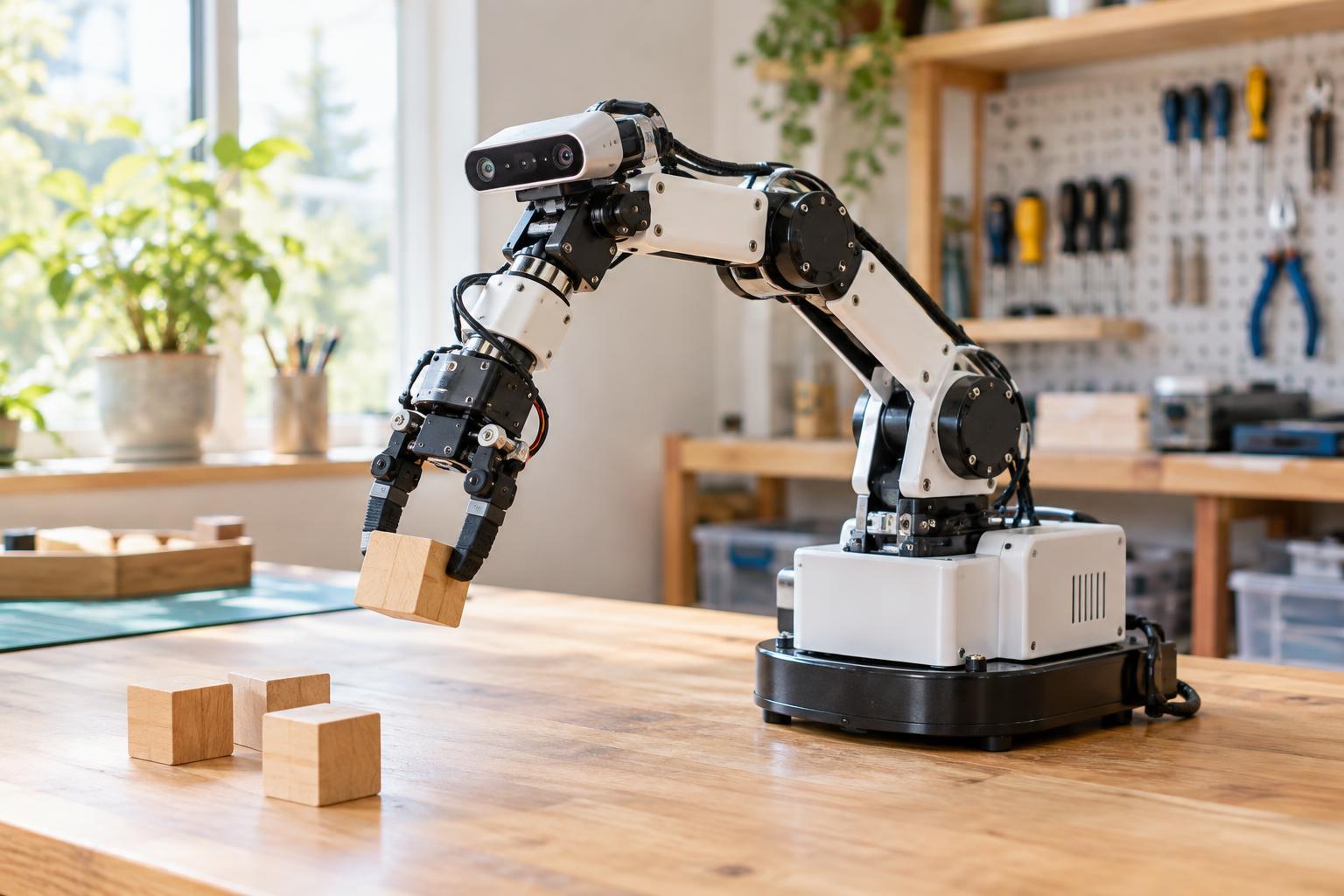
RoboticsA robot does more than move. It uses sensors to gather information, a controller to decide what to do and actuators to act in the physical world. Here is how those parts work together—and why the line between a robot and an ordinary machine can be blurry.
Read article · 4 min↗