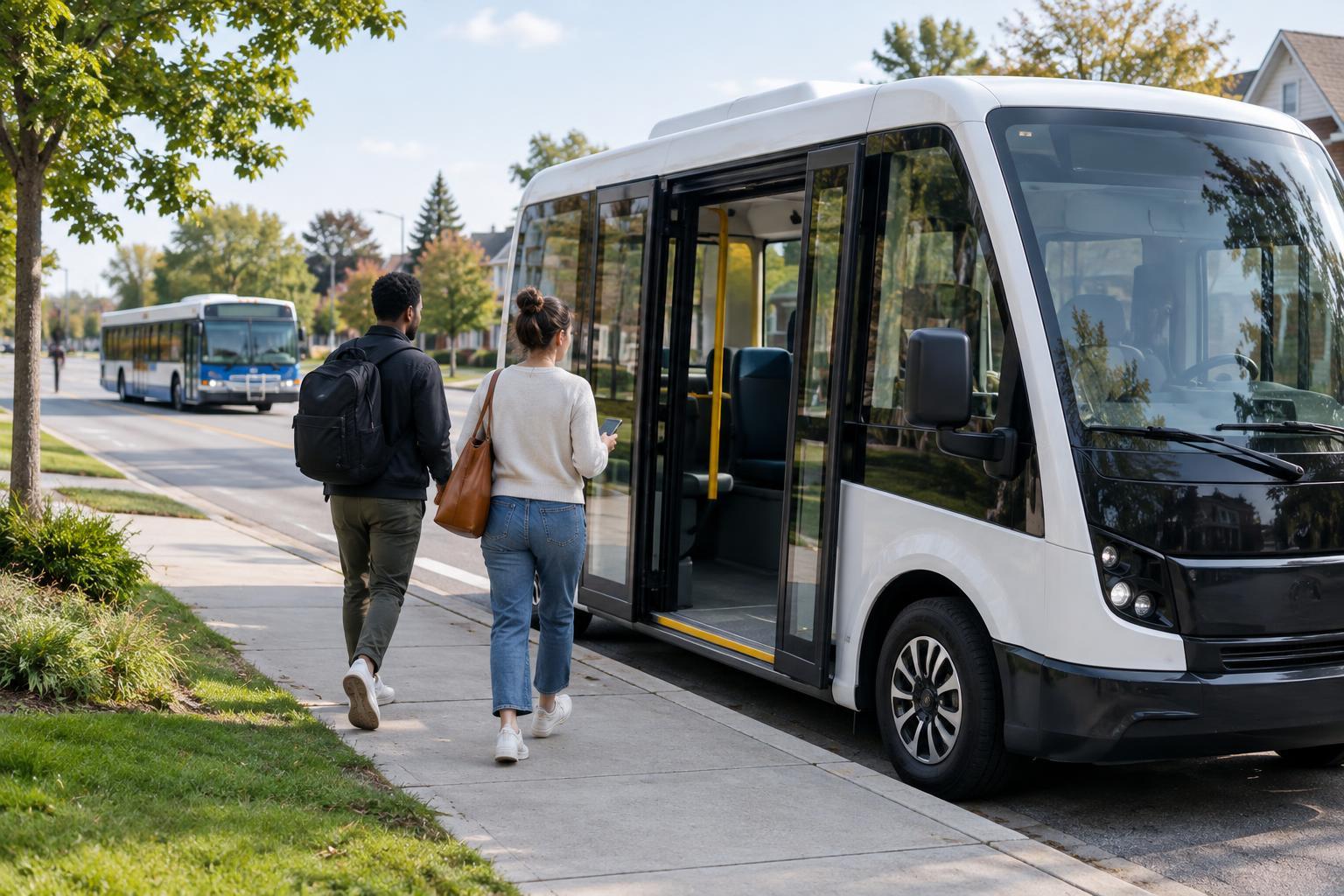
Future MobilityAn on-demand bus can adjust its stops or route in response to passenger requests. Here is how the service works, when it can complement a fixed-route bus, and what riders should check before relying on it.
Read article · 4 min↗
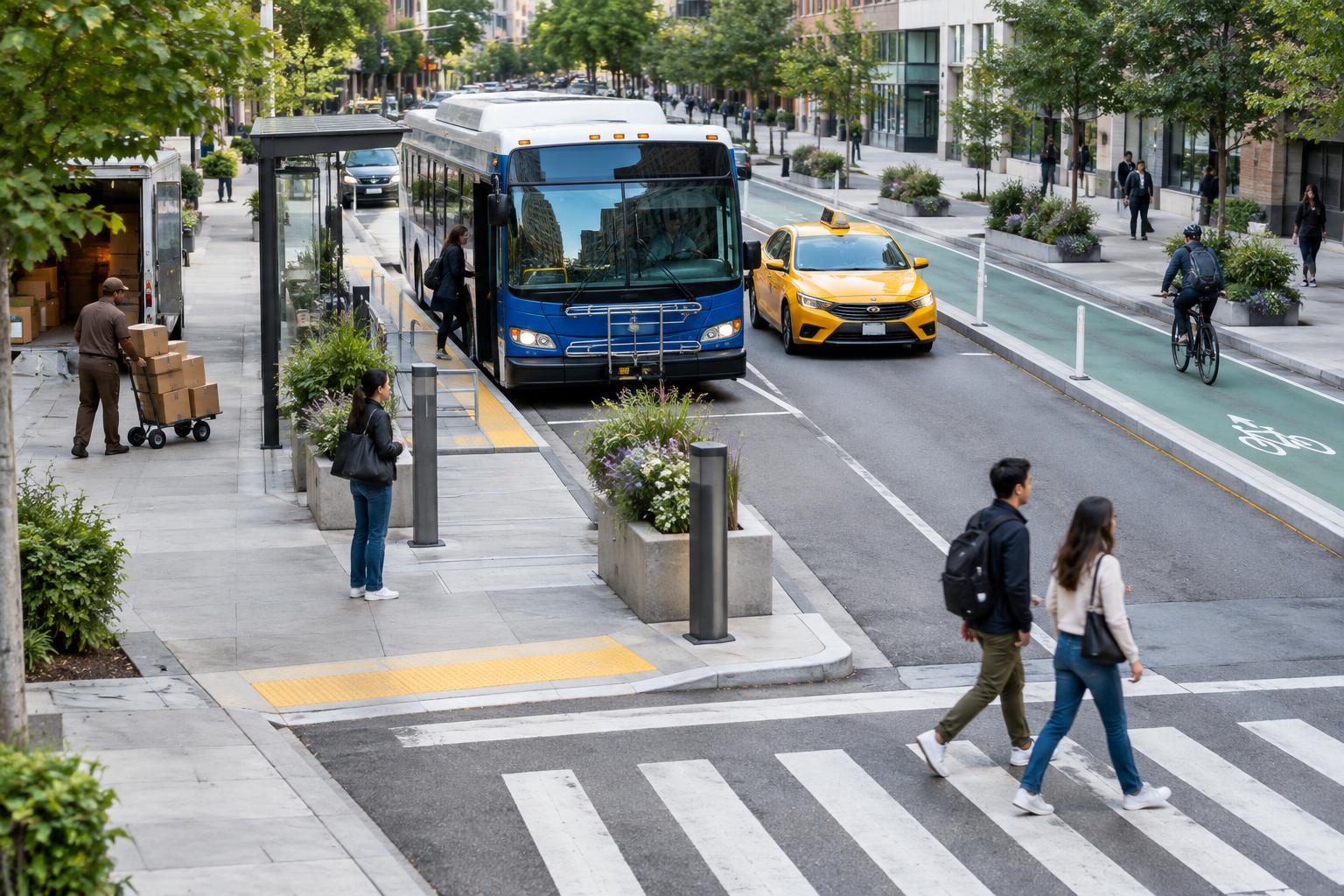
Future MobilityThe curb is where buses, deliveries, taxis, cyclists and pedestrians meet. Managing that narrow strip of space can make everyday trips easier, even without a new vehicle or app.
Read article · 5 min↗
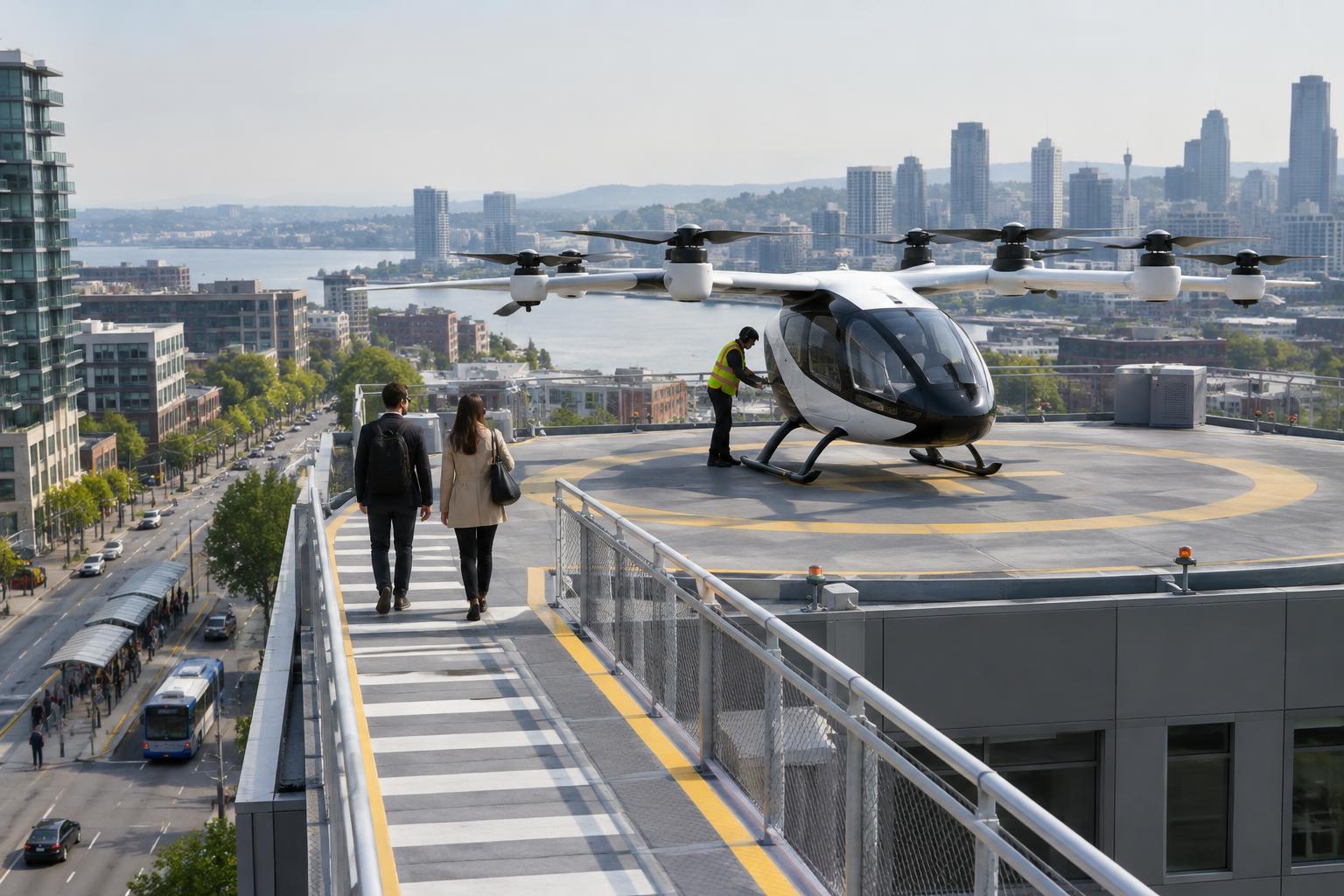
Future MobilityElectric air taxis promise short flights across crowded regions, but a flying prototype is not the same as a dependable transport service. Routine operation will require proven aircraft, trained crews, suitable landing sites and a trip that works well from door to door.
Read article · 4 min↗
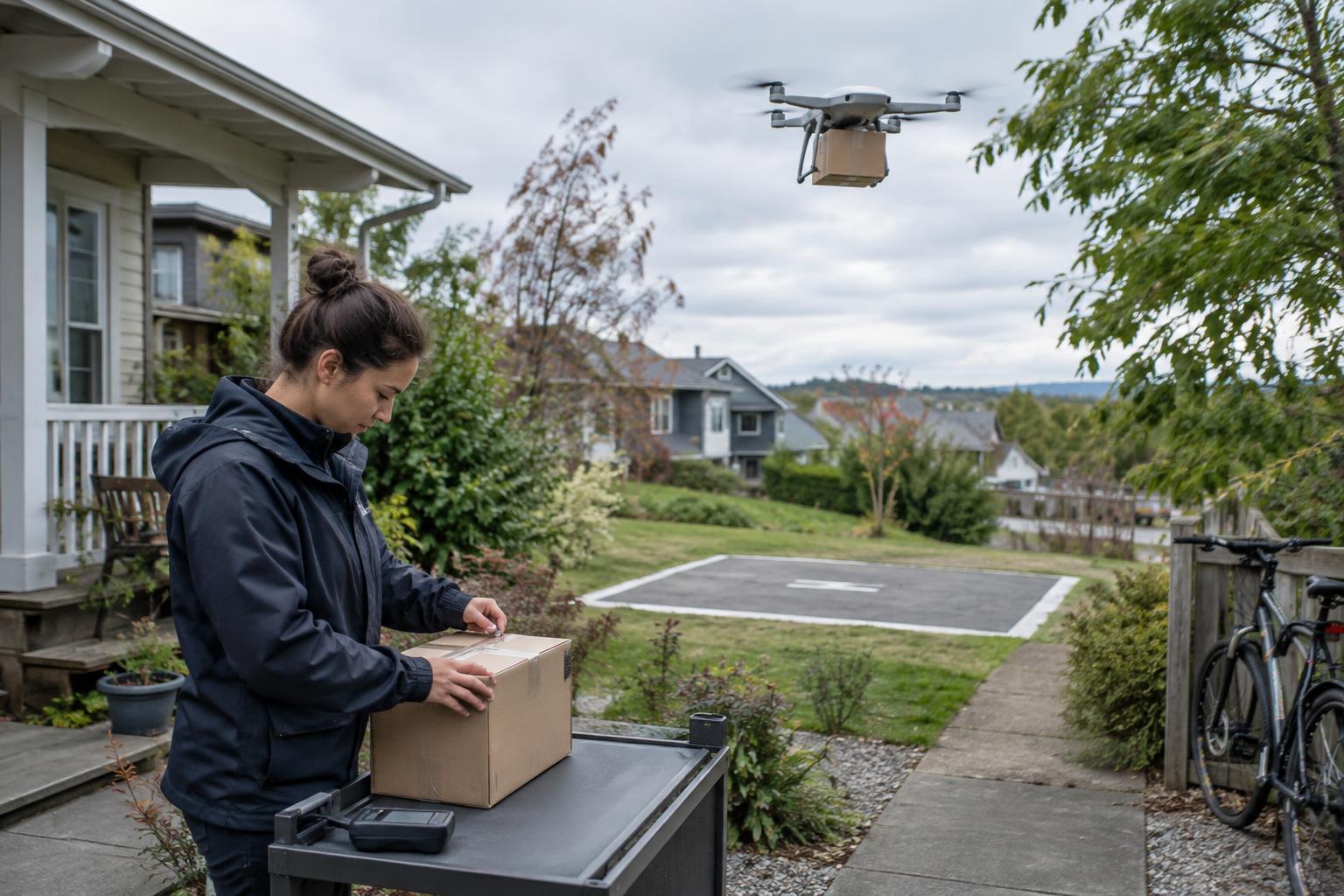
Future MobilityA delivery drone may cover the distance between a store and a home in minutes, but the flight is only one part of the service. Packaging, handoffs, landing space, weather, noise and staffing all shape where drone delivery makes sense.
Read article · 4 min↗
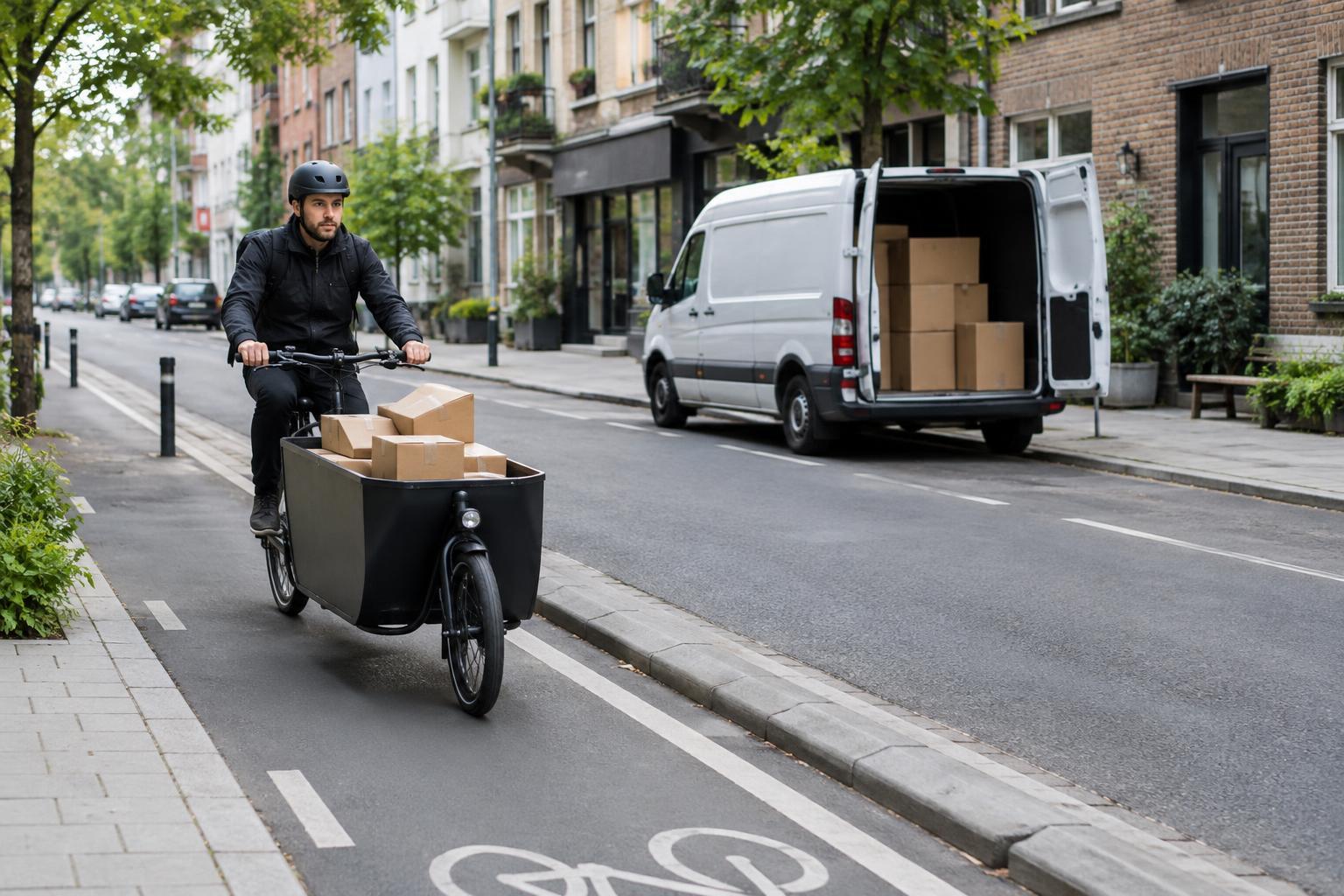
Future MobilityCargo bikes can make short urban delivery rounds easier, while vans remain useful for heavy loads and longer routes. The better choice depends on the parcels, the streets and how the delivery network is organized.
Read article · 4 min↗

Future MobilityA journey is only as accessible as its hardest step. From reaching a stop to finding the next platform, practical design and reliable operations can make public transport easier to use for more people.
Read article · 4 min↗

Future MobilityA trip that combines walking, transit, cycling or a car can be more practical than relying on one mode throughout. Learn how to compare routes, plan transfers, check ticket rules and build in a backup.
Read article · 4 min↗

Future MobilityA fast train is not always the quickest way to travel, and a short flight is rarely just its time in the air. Compare the full journey, from your front door to your destination, to see which option fits your route.
Read article · 4 min↗
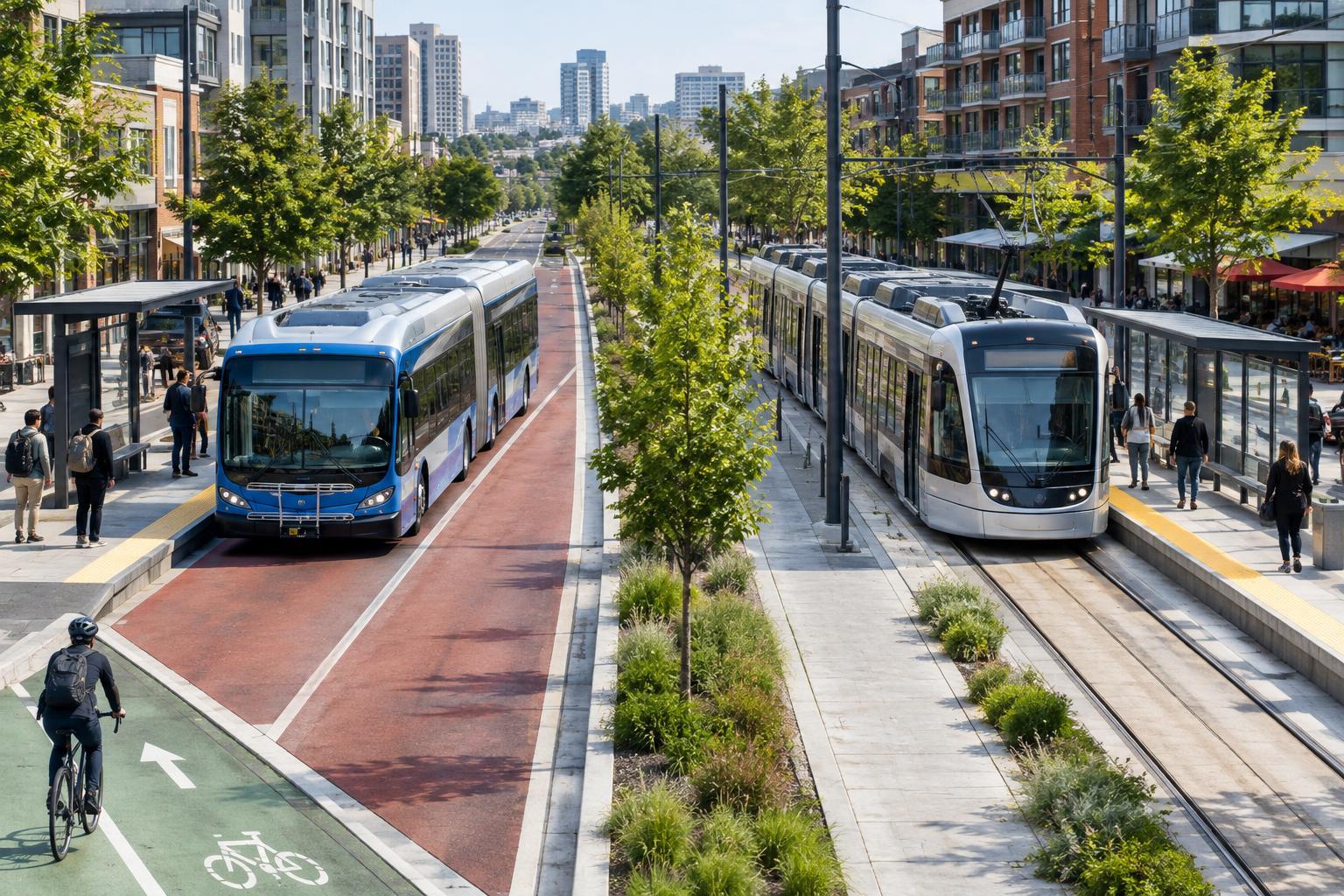
Future MobilityBus rapid transit and light rail can both make public transport more useful, but neither is automatically the better choice. The comparison depends on street space, passenger demand, service design and what a city can maintain over time.
Read article · 4 min↗
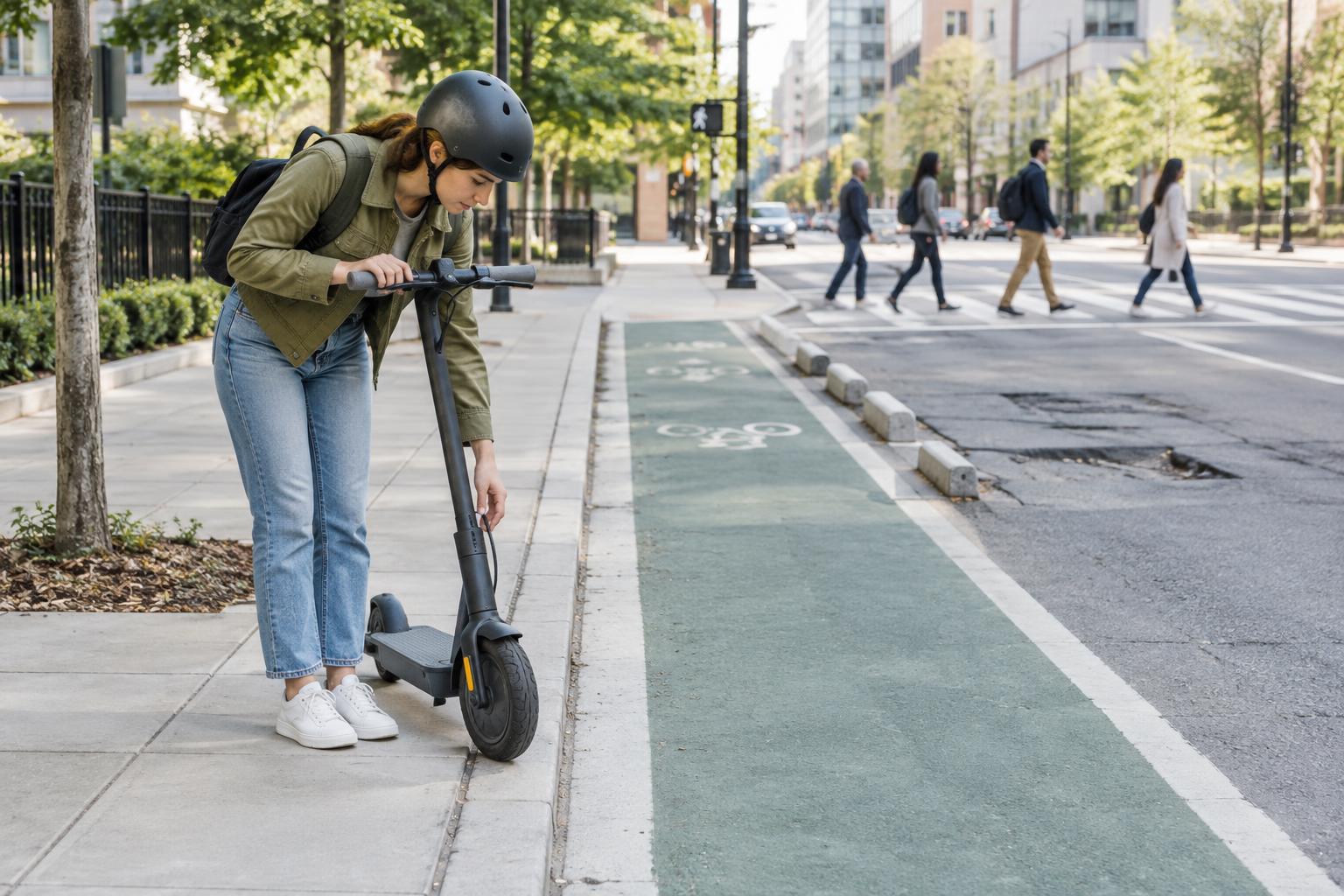
Future MobilityShared e-scooters are easy to unlock, but an unfamiliar vehicle and a short trip can encourage rushed decisions. Learn how to check a scooter, choose a suitable route, ride predictably and park without creating a hazard.
Read article · 3 min↗
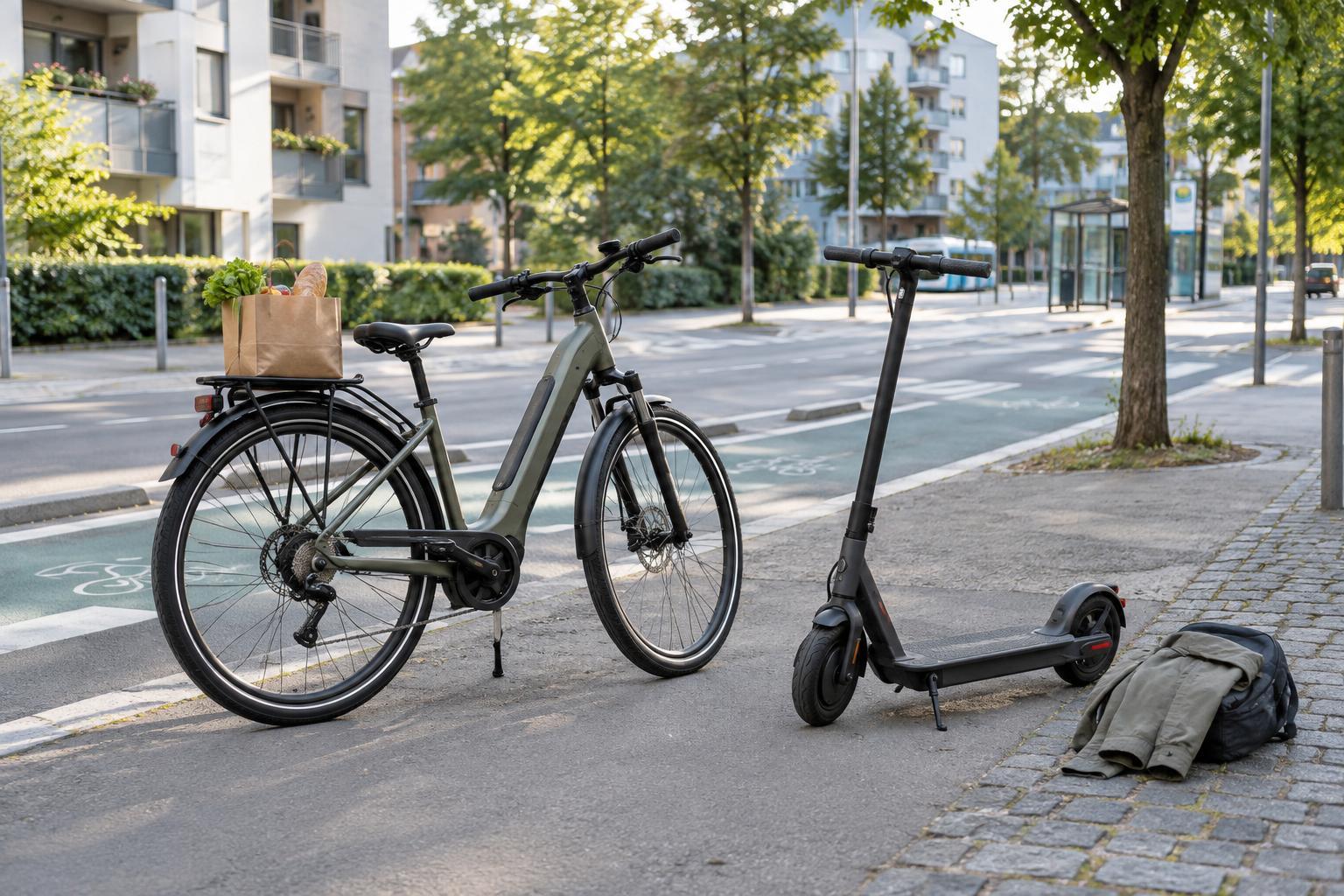
Future MobilityAn e-bike and a standing e-scooter can both make short trips easier, but they solve different problems. Compare comfort, storage, route conditions, battery needs and everyday costs before choosing.
Read article · 4 min↗
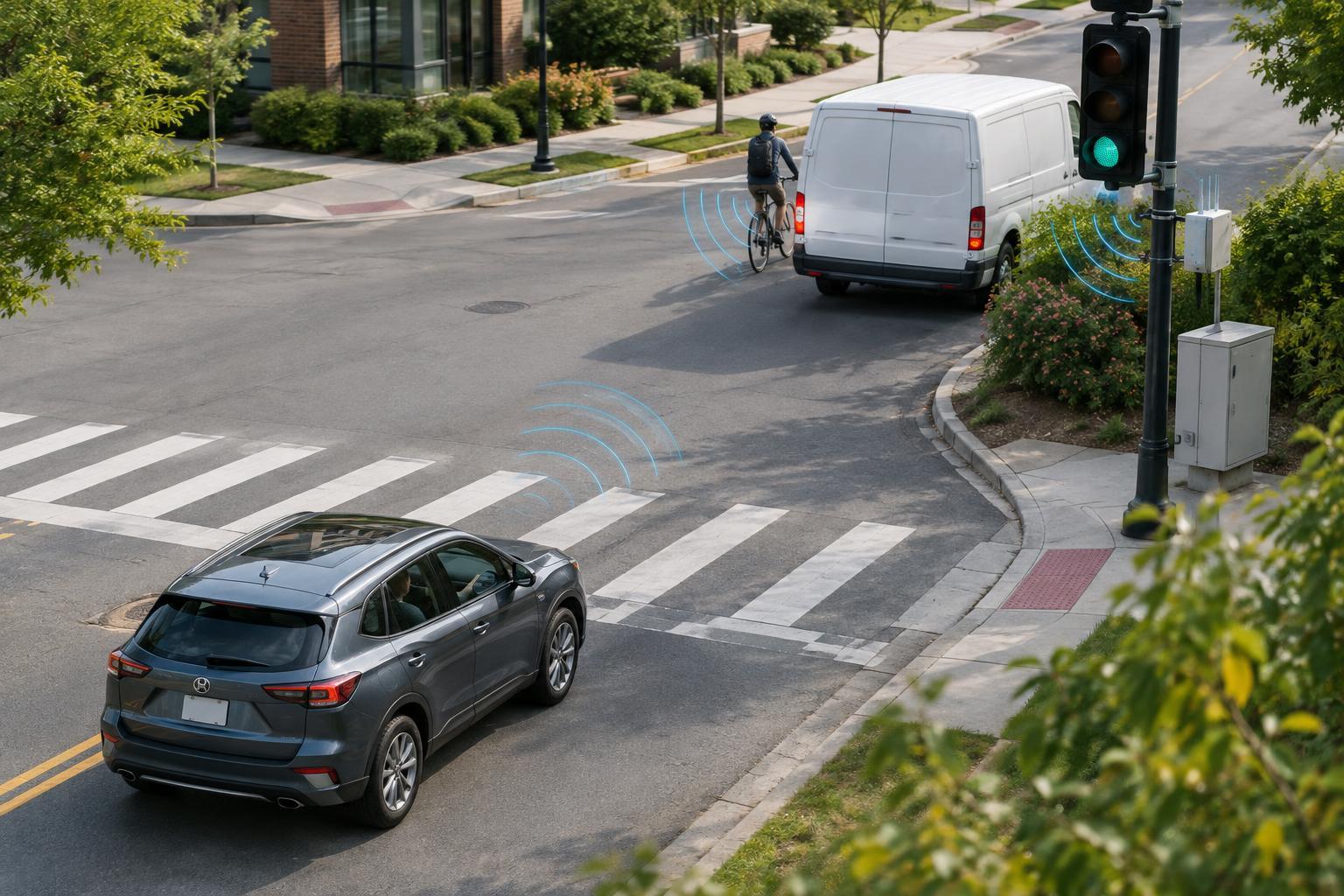
Future MobilityVehicle-to-everything communication could help drivers and road systems share warnings about hazards they cannot yet see. Here is how V2X works, where it might help, and why it cannot replace attentive driving or reliable vehicle sensors.
Read article · 4 min↗
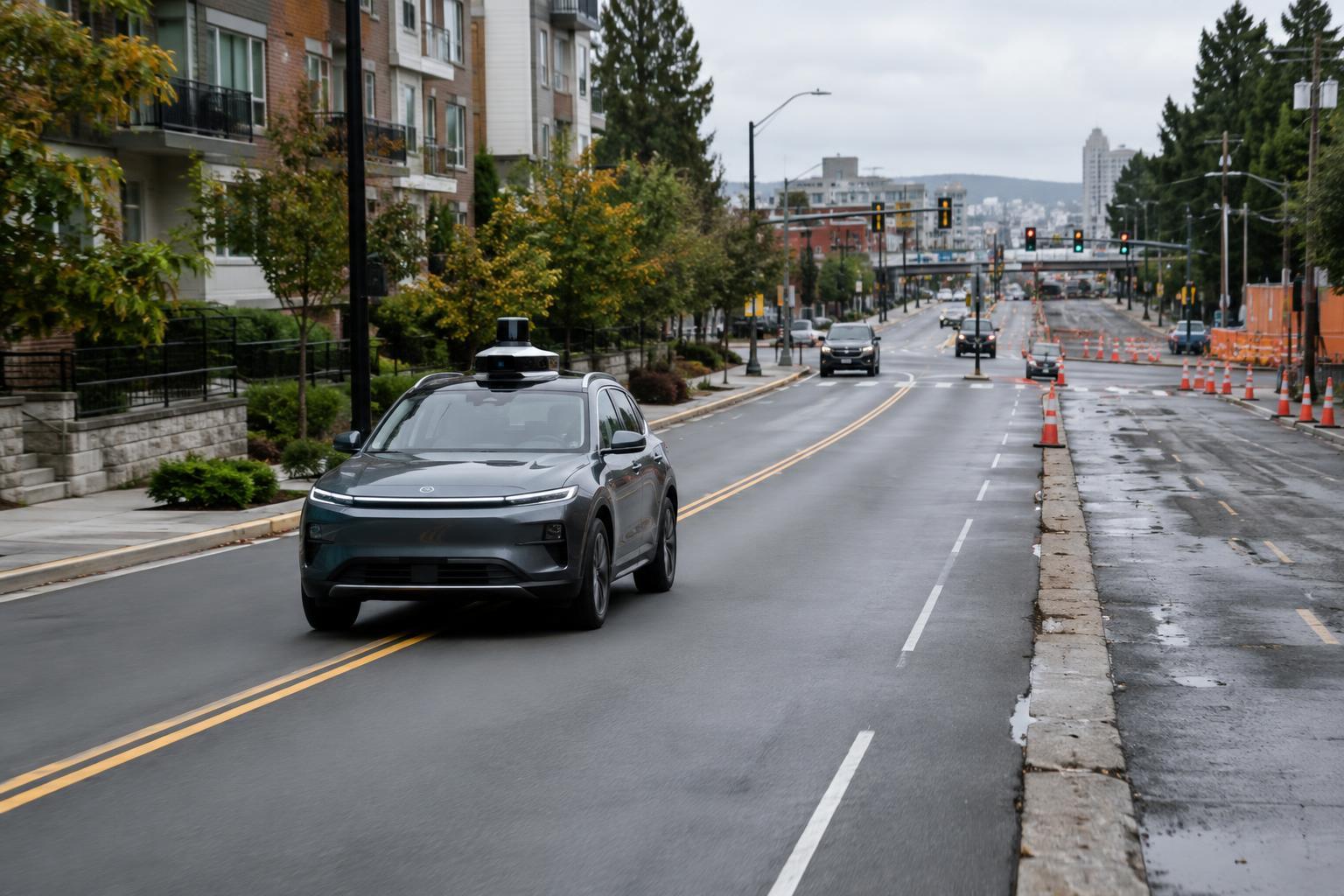
Future MobilityA self-driving vehicle might handle one neighborhood but not the next. The difference often comes down to road design, weather, mapping, and the support available when a trip does not go as planned.
Read article · 4 min↗
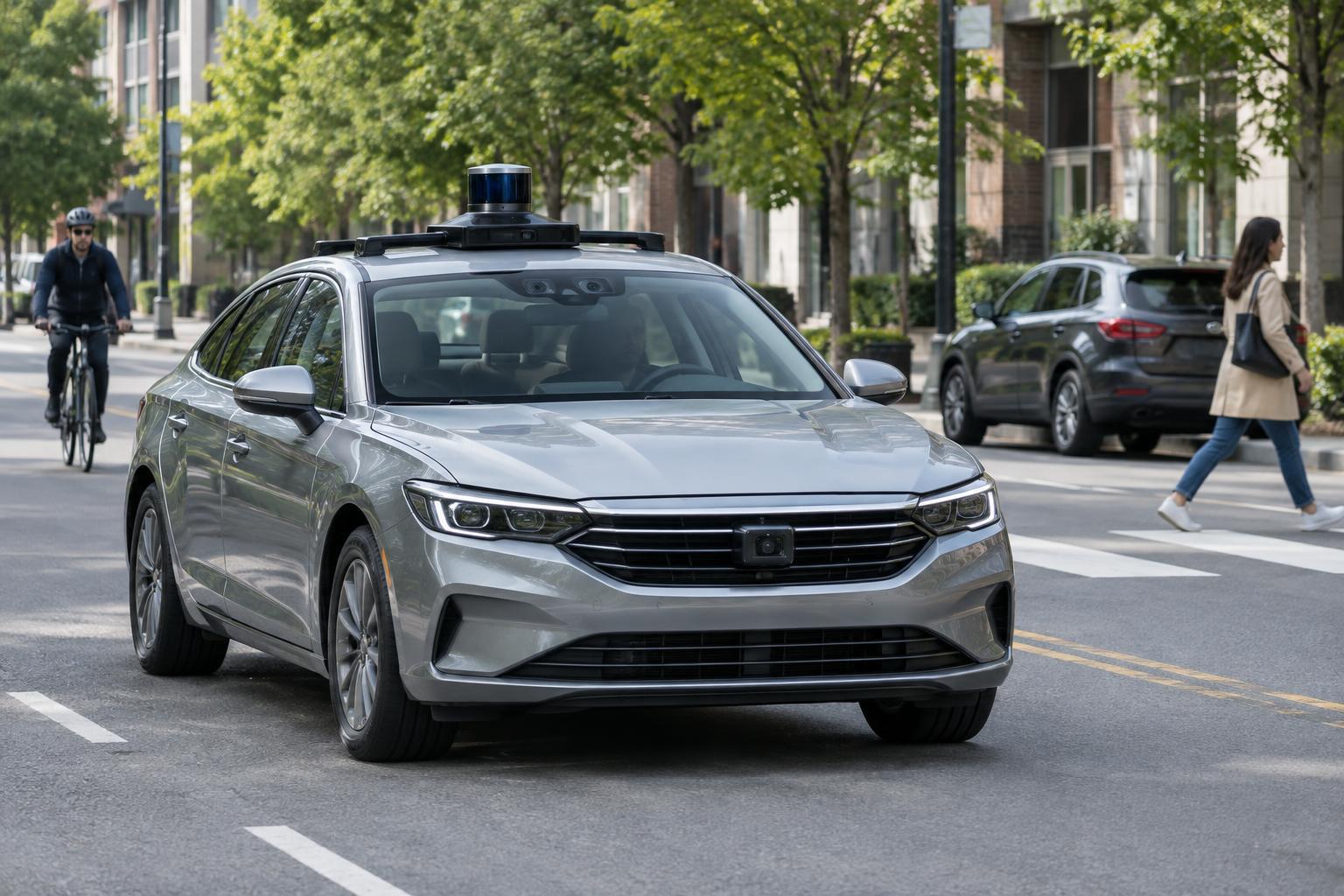
Future MobilityAn automated vehicle needs more than a map to navigate a street. Cameras, radar and lidar provide different views of nearby lanes, people and objects. Here is what each sensor can tell a vehicle, where it can struggle and why combining their signals matters.
Read article · 4 min↗
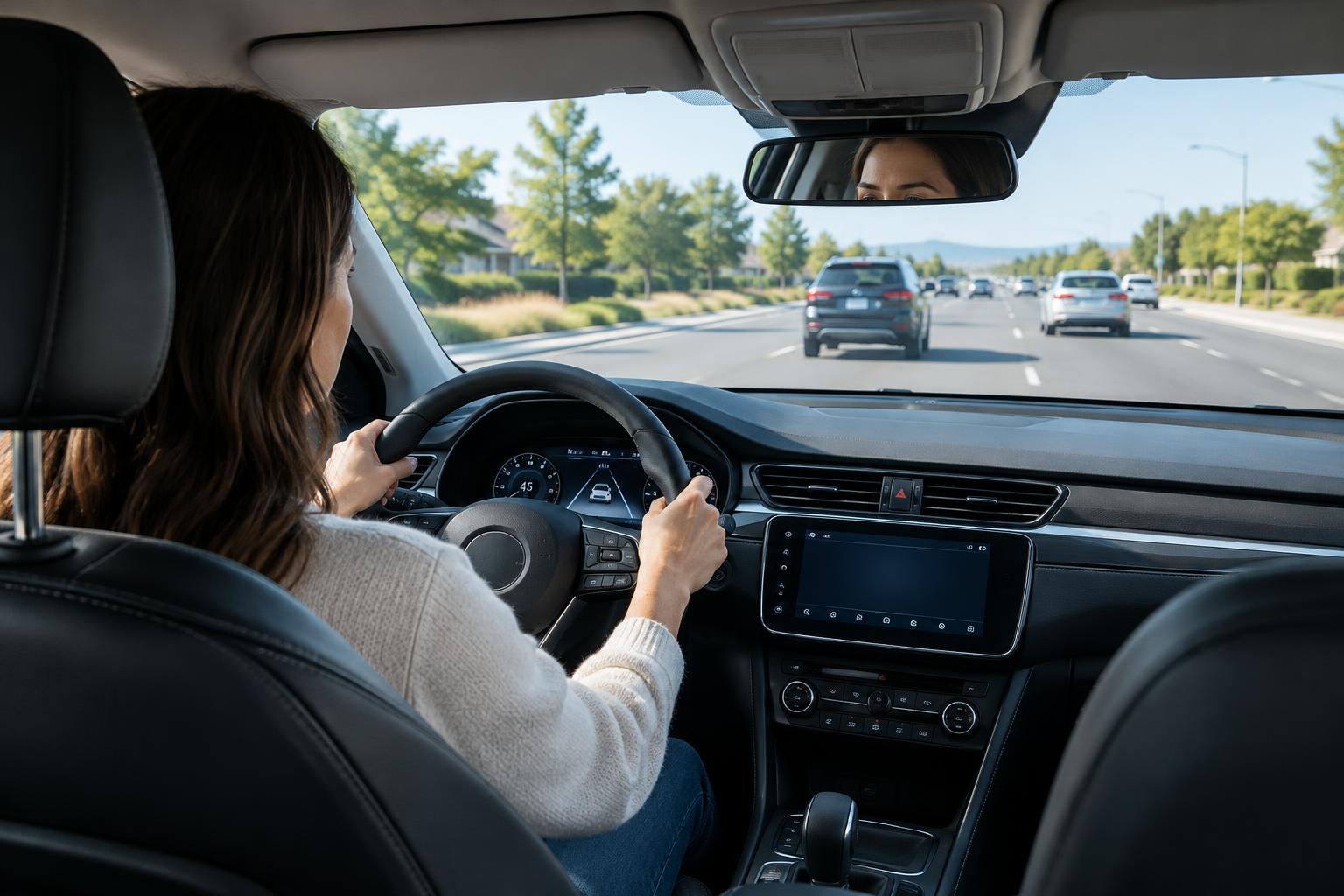
Future MobilityA car that steers and adjusts its speed is not necessarily driving itself. Understanding who monitors the road, where a system works and what happens when it cannot continue makes vehicle technology easier to evaluate.
Read article · 4 min↗
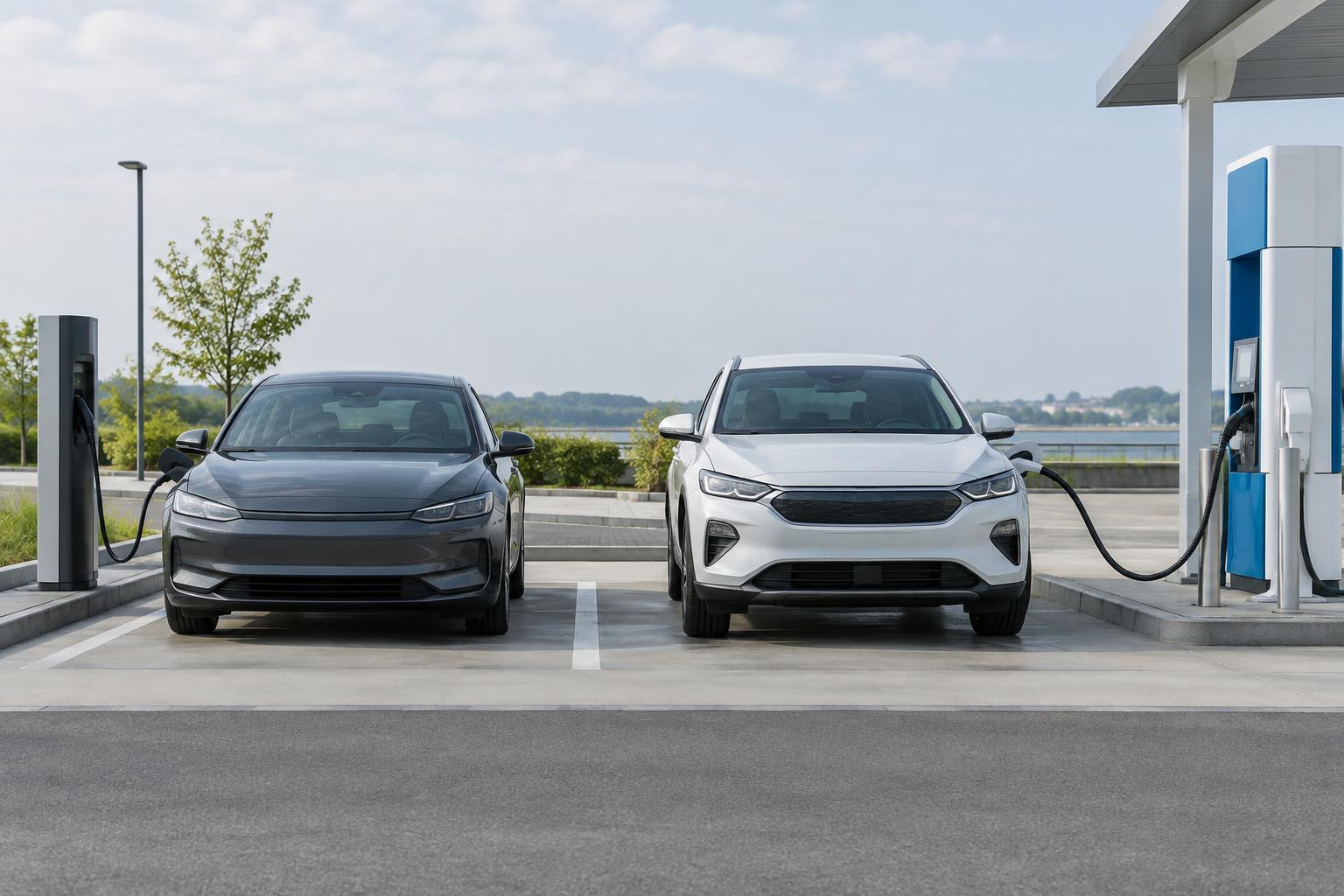
Future MobilityBoth hydrogen fuel-cell cars and battery electric cars use electric motors, but they store and obtain energy in different ways. Here is a practical guide to how each works, what refueling or charging involves, and why the environmental picture depends on where the energy comes from.
Read article · 4 min↗
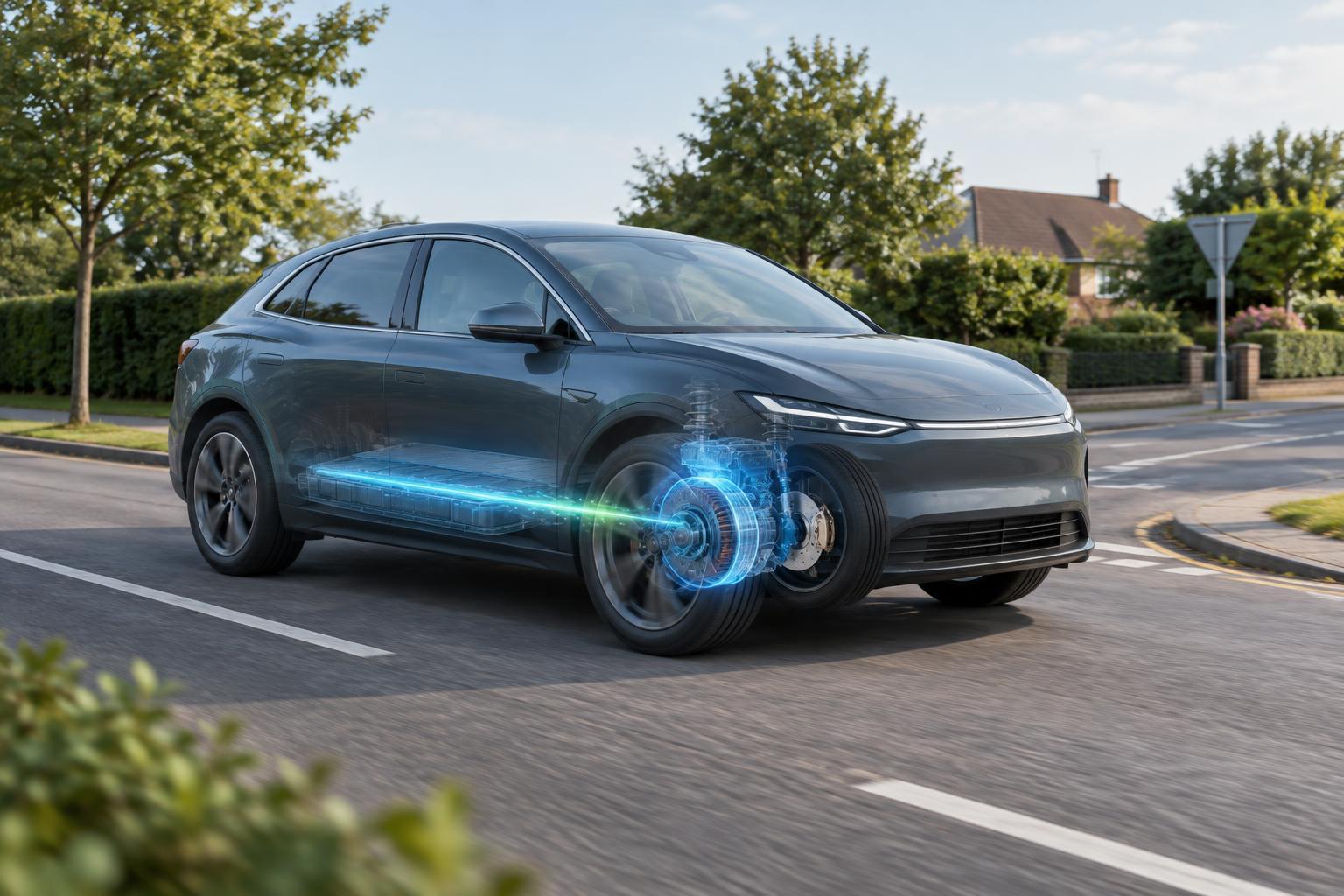
Future MobilityRegenerative braking turns some of a moving vehicle’s energy back into electricity instead of losing it all as heat. Here is how it works, when it helps, and why conventional brakes still matter.
Read article · 4 min↗
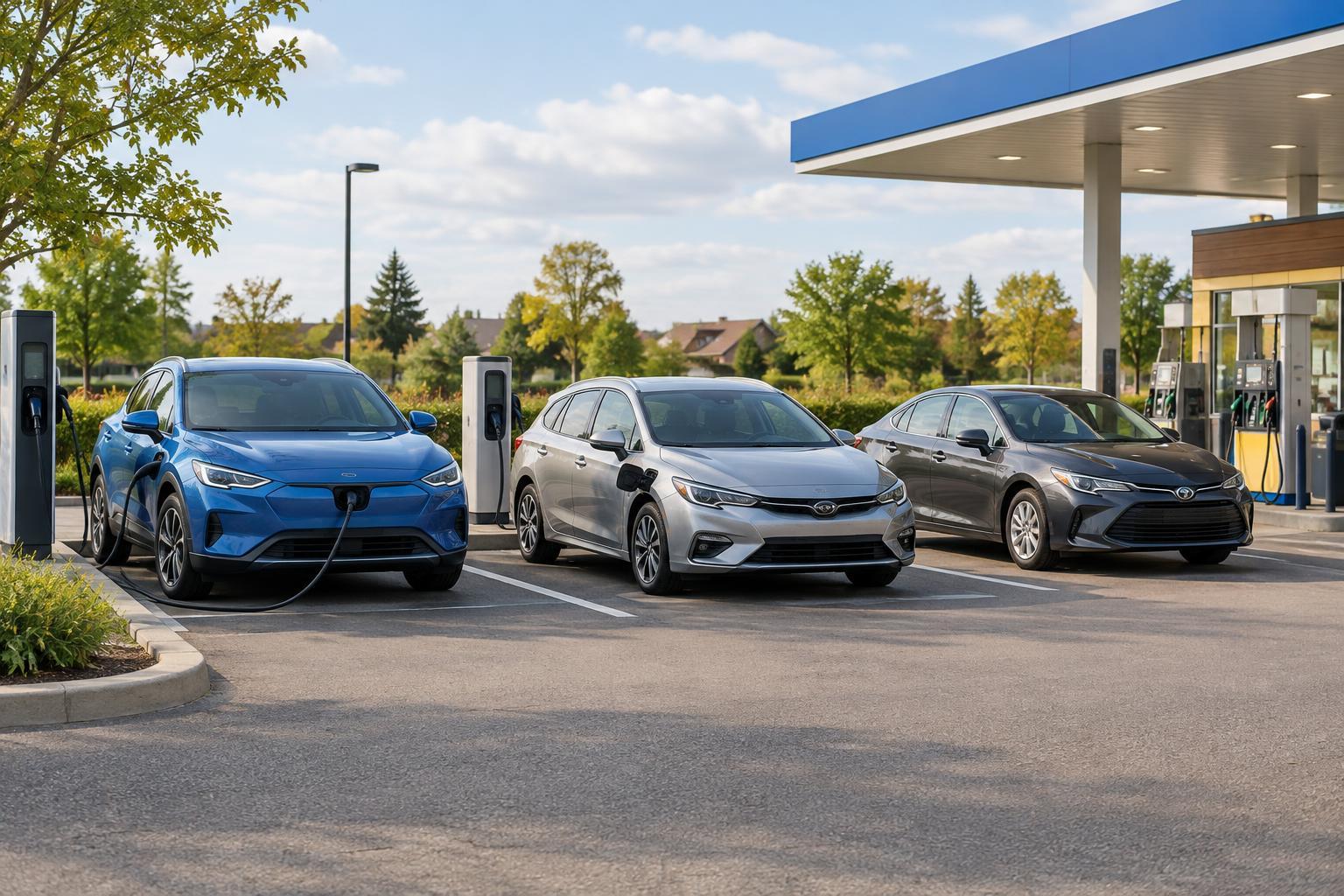
Future MobilityBattery electric, hybrid and plug-in hybrid cars all use electric motors, but they change daily driving in different ways. Here is a practical guide to charging, fueling, maintenance and choosing a car that fits your routine.
Read article · 4 min↗
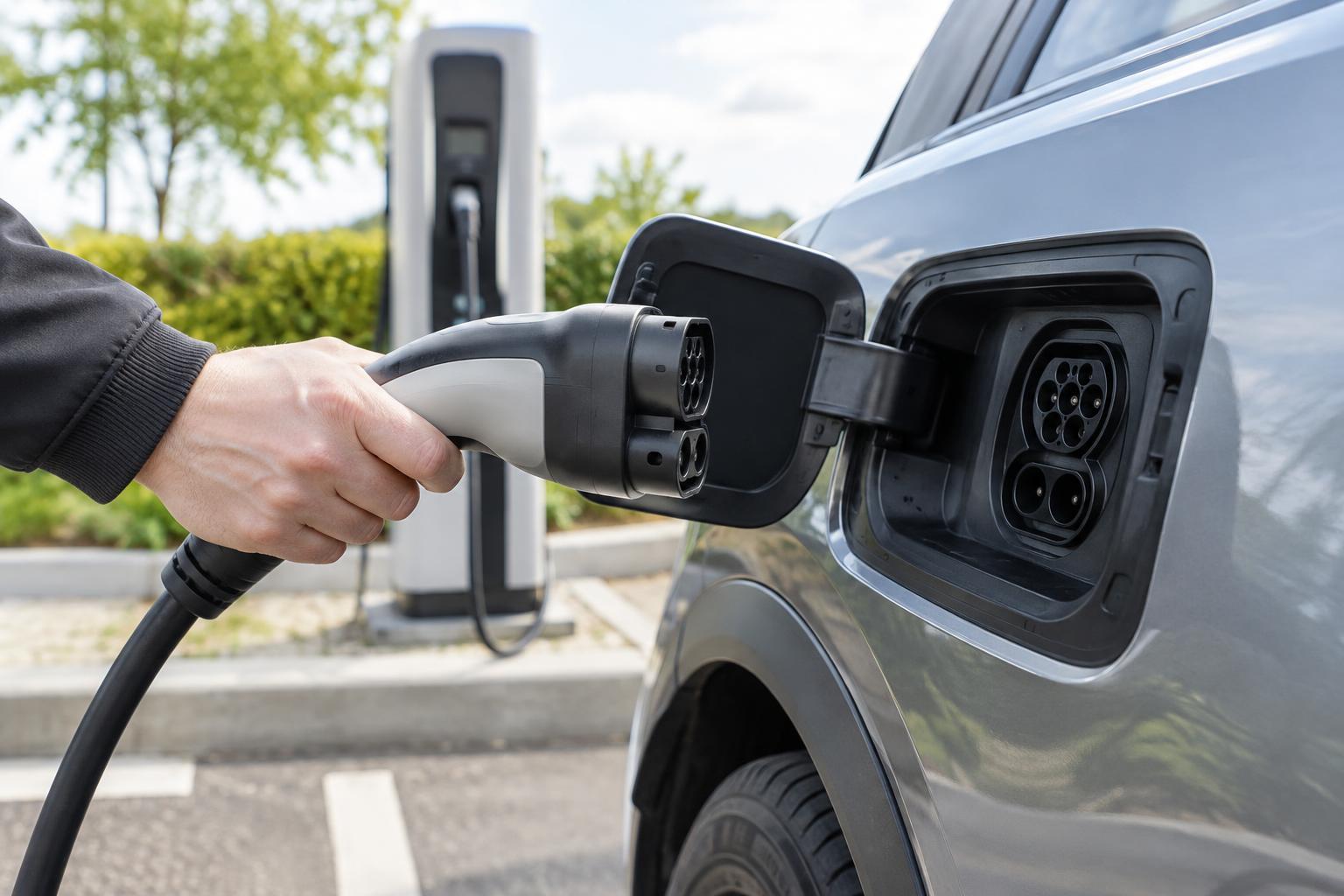
Future MobilityAn EV charger is useful only if its connector, charging method and power delivery work with your vehicle. Learn how to check the plug, distinguish AC from DC charging, assess adapters and confirm the practical details before you drive to a station.
Read article · 4 min↗
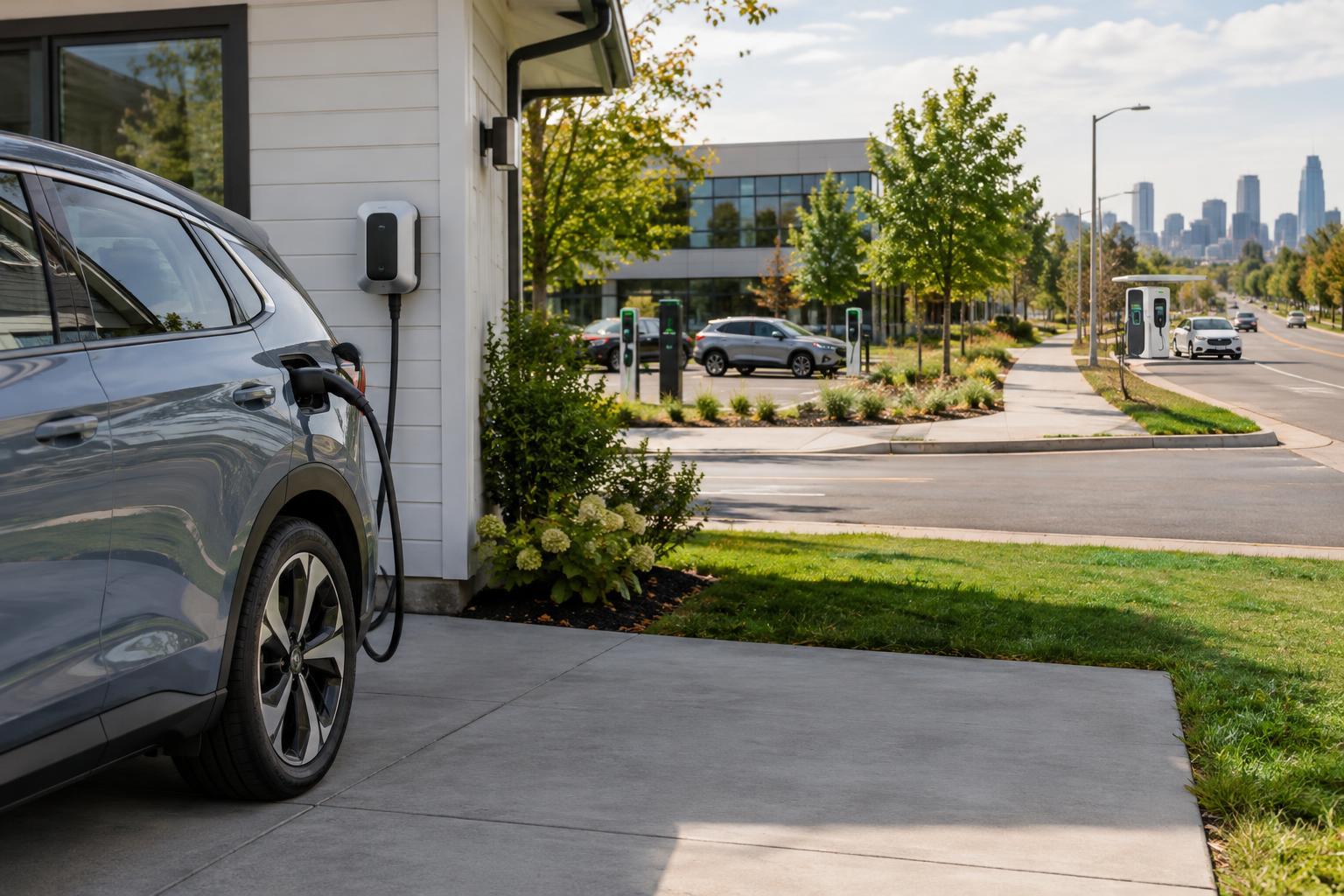
Future MobilityThe best place to charge an electric vehicle depends less on the fastest available charger than on where the car spends its time. Compare home, workplace and public fast charging by access, speed, cost and convenience, then build a routine with a backup plan.
Read article · 4 min↗
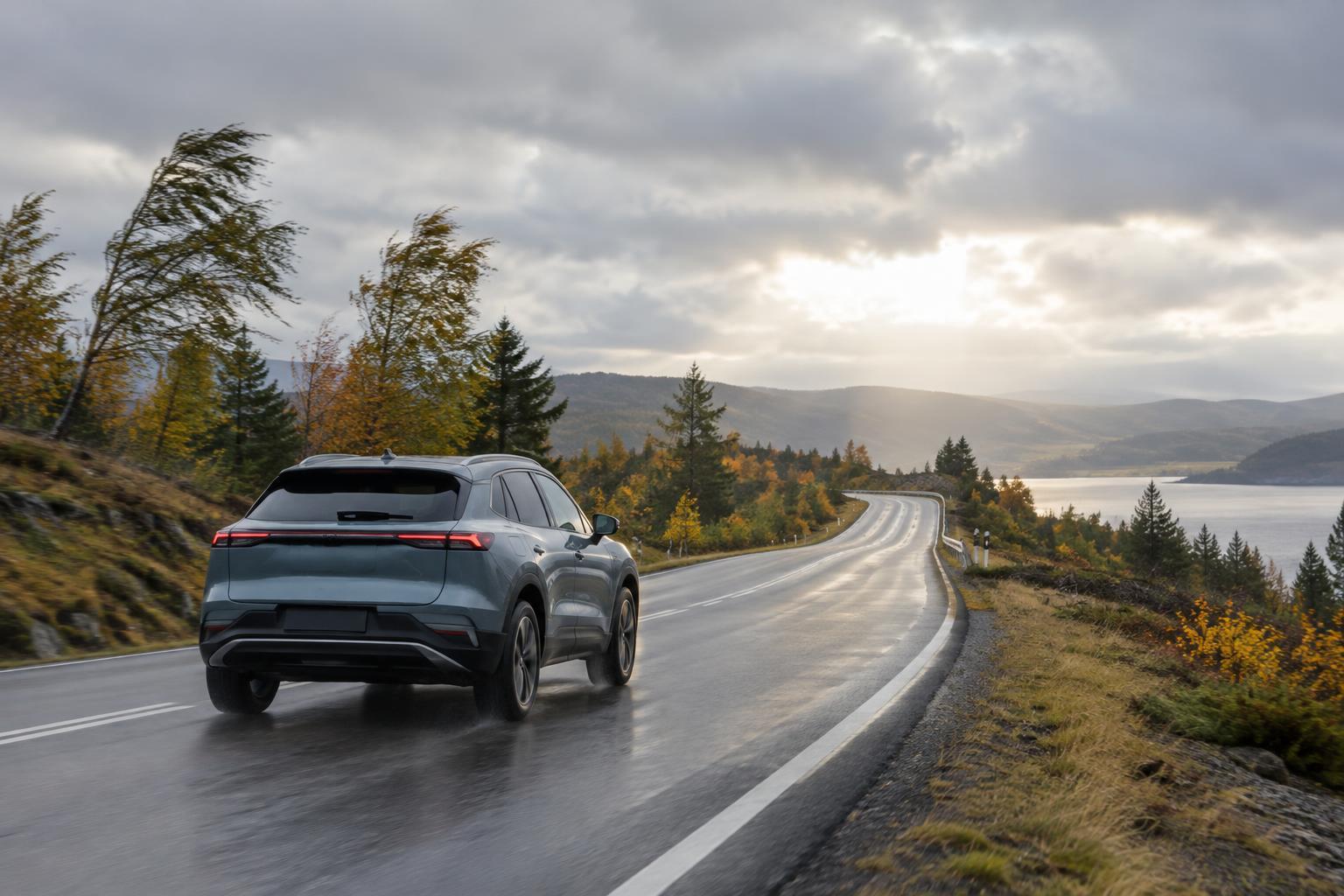
Future MobilityAn electric vehicle’s displayed range is an estimate, not a fixed promise. Learn how speed, weather, terrain, tires, cabin heating and battery condition affect how far a charge can take you—and how to plan around them.
Read article · 4 min↗
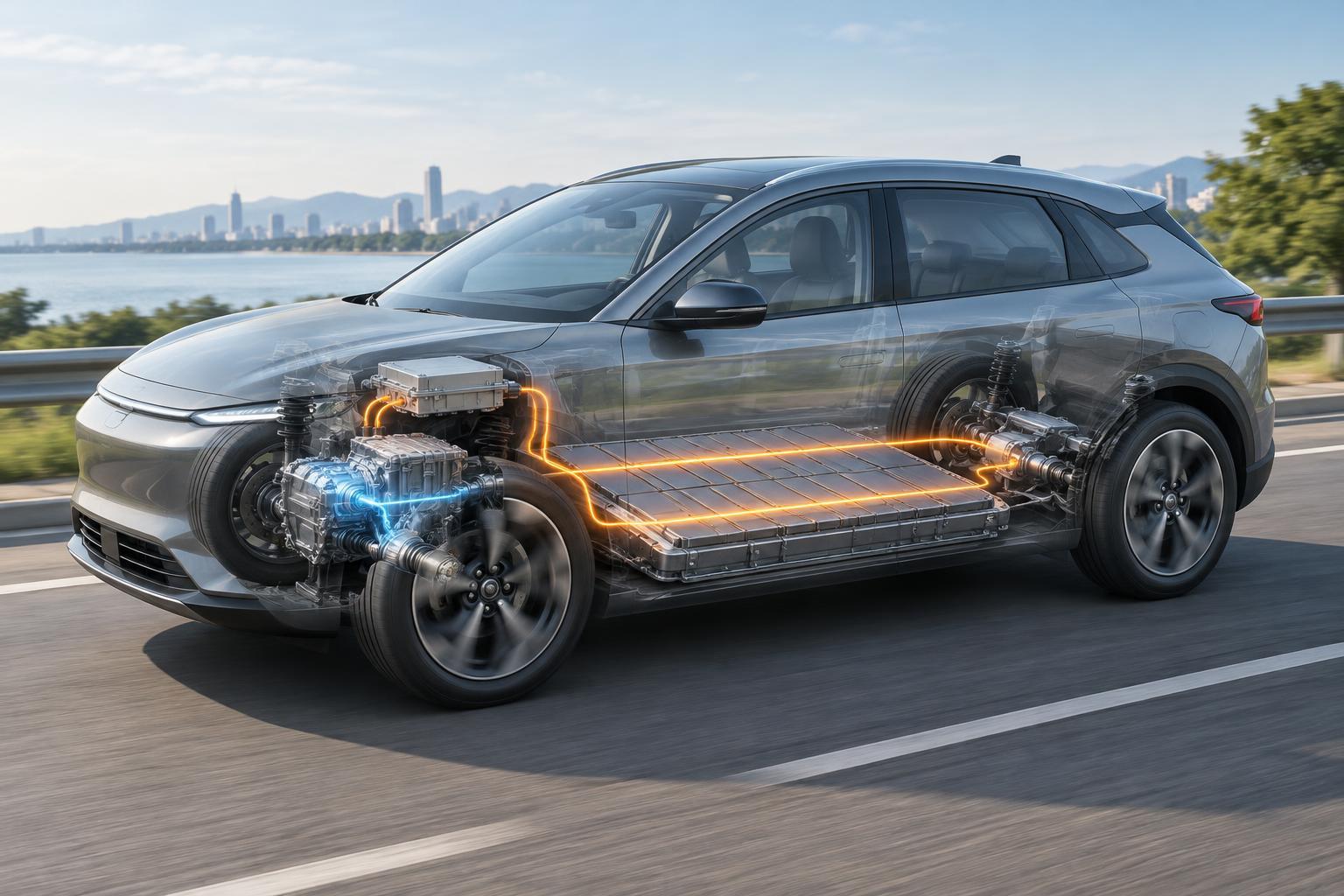
Future MobilityAn electric car does more than send electricity from a battery to its wheels. A battery pack, power electronics, motor and drivetrain work together to turn stored energy into controlled movement. Here is how the process works, from pressing the accelerator to slowing down with regenerative braking.
Read article · 4 min↗