Three ways to use an electric motor
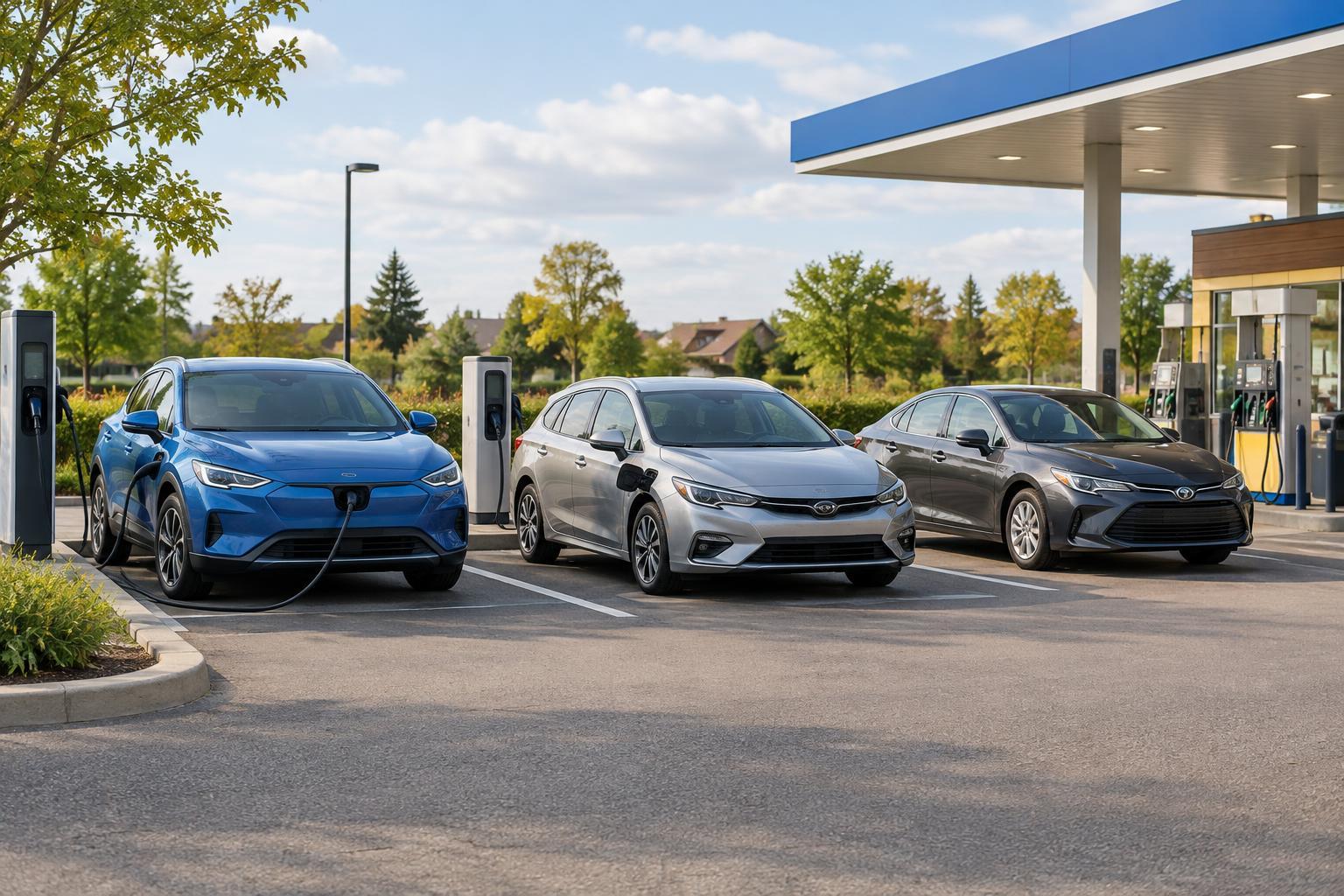
A battery electric vehicle, or BEV, runs on electricity stored in a large battery. You plug it in to recharge; it has no gasoline engine to take over when the battery gets low. For the driver, that makes access to charging part of the travel routine, much as access to a fuel station is for a conventional car.
A conventional hybrid combines a gasoline engine with an electric motor and a relatively small battery. It does not need to be plugged in. The car manages its two power sources automatically, using the motor when useful and replenishing the battery through the engine and regenerative braking. It still needs gasoline, but it can use less of it in some driving conditions.
A plug-in hybrid, or PHEV, sits between those approaches. Its battery can be charged from an outlet or charger and can power a portion of a trip on electricity alone. When that charge is depleted, the gasoline engine allows the car to continue. The distinction matters: a plug-in hybrid is most useful as an electric car for short trips when its driver plugs it in regularly.
What feels different behind the wheel
Electric motors deliver power smoothly and respond quickly to the accelerator. A BEV therefore tends to feel quiet and immediate, especially at lower speeds. Many also offer adjustable regenerative braking, which slows the car while returning some energy to the battery. It does not recover all the energy used to accelerate, and drivers still need the regular brakes.
In a hybrid, the change between engine and motor may be barely noticeable or more apparent, depending on the model and the situation. A plug-in hybrid can feel much like a BEV while it has enough charge, then behave more like a hybrid once its engine is needed. In either type, heating, steep roads, heavy loads and driving speed can affect how much electric assistance is available.
These are features of established cars, not promises about future self-driving vehicles. Driver-assistance systems, where fitted, are separate from the choice of powertrain. A quiet electric motor does not make a car autonomous, and the driver remains responsible for driving.
Charging and fueling become a planning question
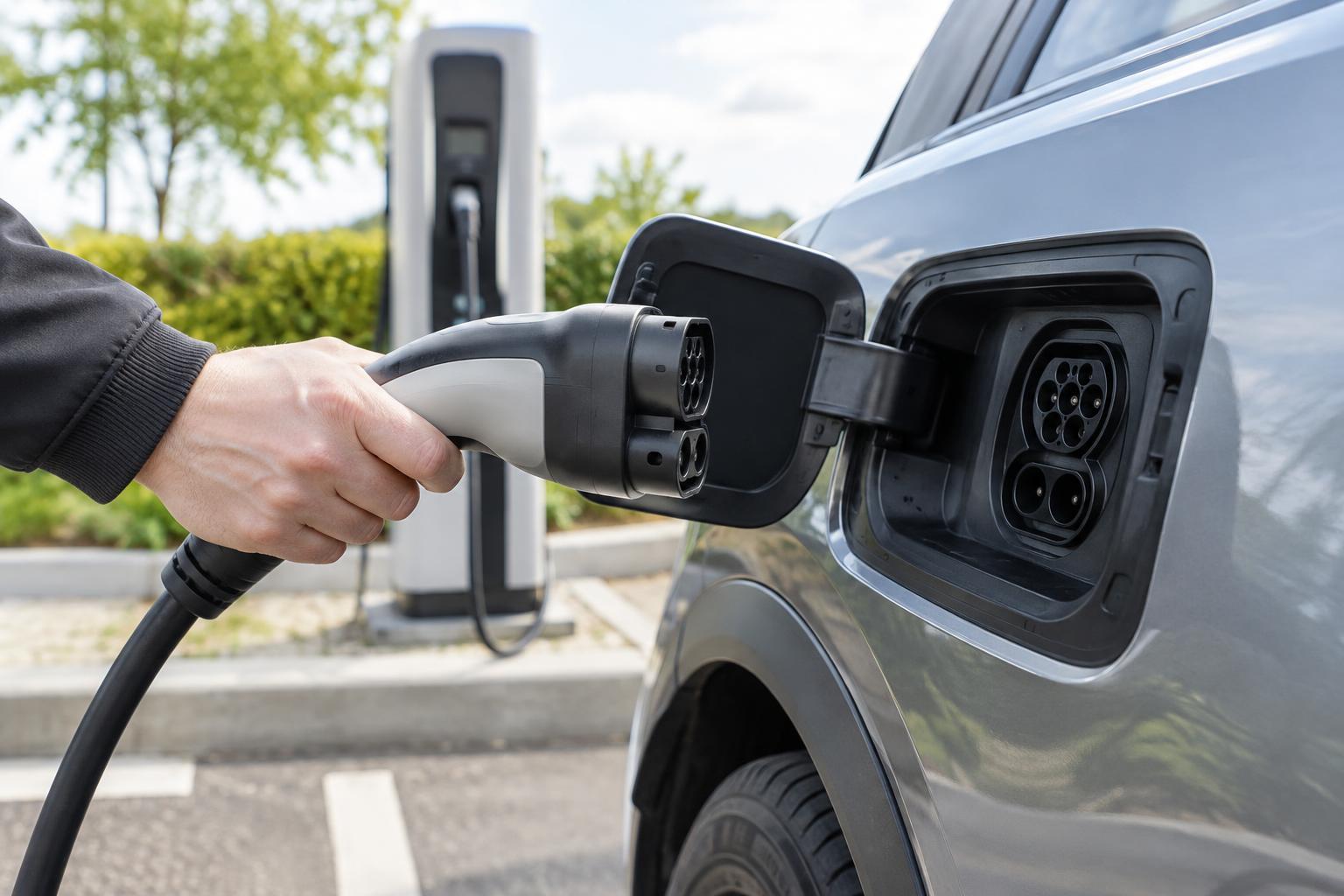
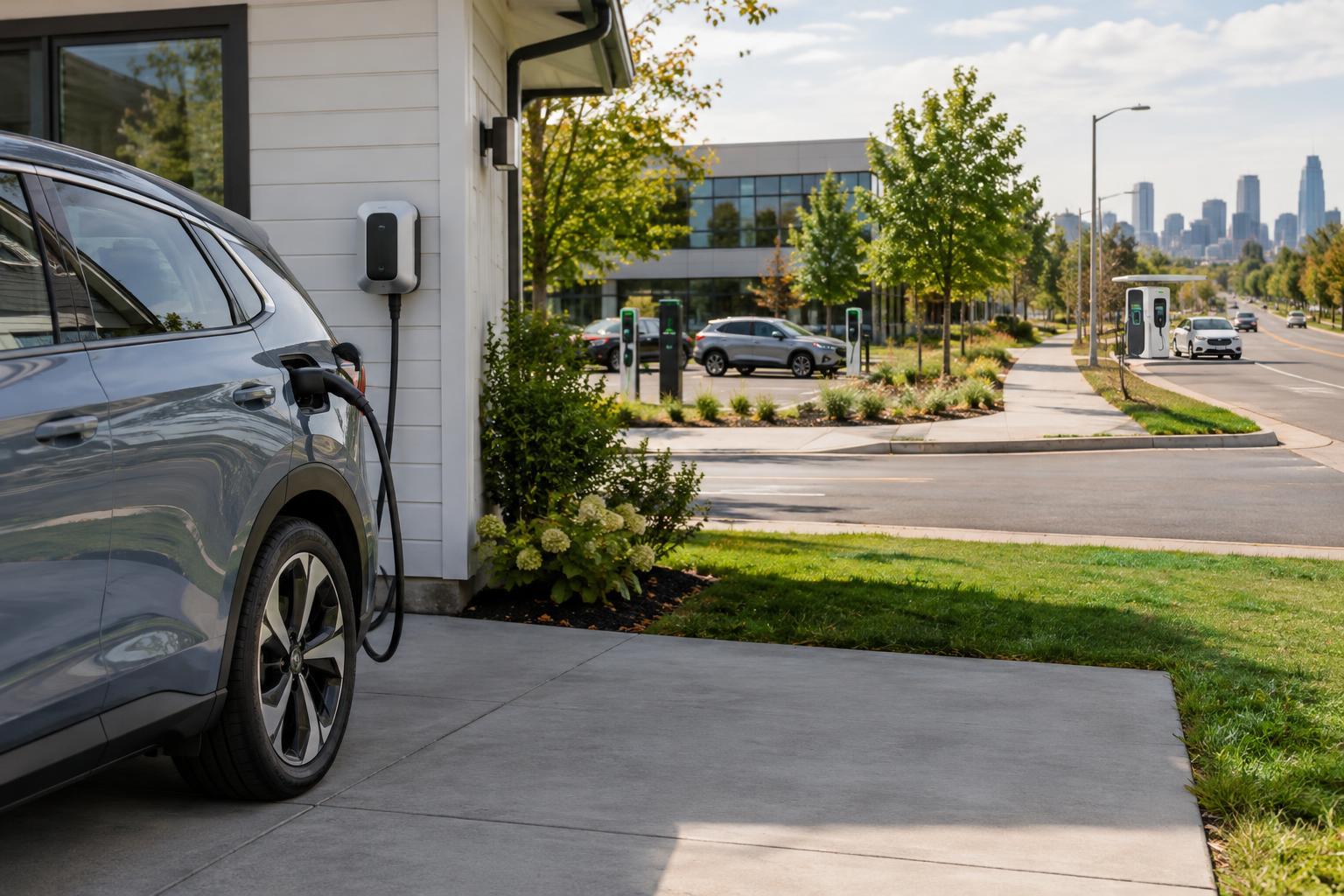
For a BEV, the easiest routine often starts with dependable charging where the car regularly parks. Charging at home or work can turn refueling into something done while the car is otherwise idle. Without that option, a driver may need to rely more on public chargers and consider their location, availability, connector compatibility and charging speed. A longer journey may require planning stops rather than simply choosing the next fuel station.
A conventional hybrid keeps the familiar gasoline-stop routine. A PHEV offers a choice: plug in for electric driving, refuel for longer trips, or do both. That flexibility can be appealing, but it also creates two routines to manage. If a PHEV is seldom charged, its electric-driving advantage may be much smaller than a buyer expects.
Published electric range and charging figures are useful starting points, not guarantees for every trip. Weather, speed, terrain, battery state and how a vehicle is loaded can change the result. Drivers comparing cars should think about their recurring journeys and parking arrangements before treating an advertised maximum as their everyday experience.
Costs and upkeep are not one-size-fits-all
An electric-only car has no oil changes for a gasoline engine and has fewer engine-related parts to service. It still needs tires, brakes, cabin filters and other routine checks. A hybrid retains an engine, while a PHEV has both a plug-in electrical system and an engine to maintain. Regenerative braking may reduce wear on friction brakes, but it does not remove the need to inspect them.
The cheapest option to own depends on more than the price on the windshield. Electricity and gasoline prices, charging fees, insurance, maintenance, vehicle efficiency and how long the car is kept all matter. For a PHEV in particular, the share of miles driven after plugging in can change running costs substantially. Incentives and local rules, if relevant, should be checked for the buyer’s own location rather than assumed.
Match the car to the journeys you actually make
A BEV may fit well when reliable charging is available and its usable range comfortably covers routine travel, with an acceptable plan for longer journeys. A conventional hybrid can suit someone who wants familiar fueling and better use of electric assistance without arranging charging. A PHEV can suit a driver whose frequent trips fit within its electric range, who can charge consistently and who still values a gasoline backup.
There is no universal winner. Start with where the car will park, how often it makes long trips and whether charging would be convenient rather than a chore. Then compare specific models for space, comfort, usable range and total running costs. The most meaningful change for drivers is not simply having an electric motor; it is how that motor fits into an ordinary week.