Start with the job the product must do
A material that works beautifully for a desk lamp may be a poor choice for a travel mug. Before comparing samples, designers need to understand where a product will be used, who will handle it and what kinds of wear it will face. Will it be dropped, left outdoors, washed frequently or carried in a bag? Those conditions matter more than whether a material seems premium in a showroom.
It helps to separate requirements from preferences. A handle that must stay comfortable during use has a functional requirement; a preference for a glossy finish is more flexible. Designers can then compare options against a short list: strength, weight, resistance to heat or moisture, ease of cleaning, desired feel and expected lifespan. This keeps an attractive surface from distracting from a product’s basic purpose.
Durability depends on the whole design
There is no single measure of durability. Metal can resist everyday knocks but may dent or corrode if its finish is damaged. Plastic can be light and resilient, yet some types scratch or become brittle under particular conditions. Wood can be repaired and refinished in some applications, but it may swell if moisture reaches an unprotected edge. Glass resists many stains while remaining vulnerable to impact. The best choice depends on which failure would matter most.
Shape, thickness and connections also affect how long a product lasts. A thin metal panel might bend while a well-supported plastic part holds its shape; a strong casing can still fail where a hinge or fastener meets it. Prototypes are useful for checking these details. Handling samples, cleaning them repeatedly and trying likely everyday mishaps can reveal problems that a material specification alone may miss.
Count more than the purchase price
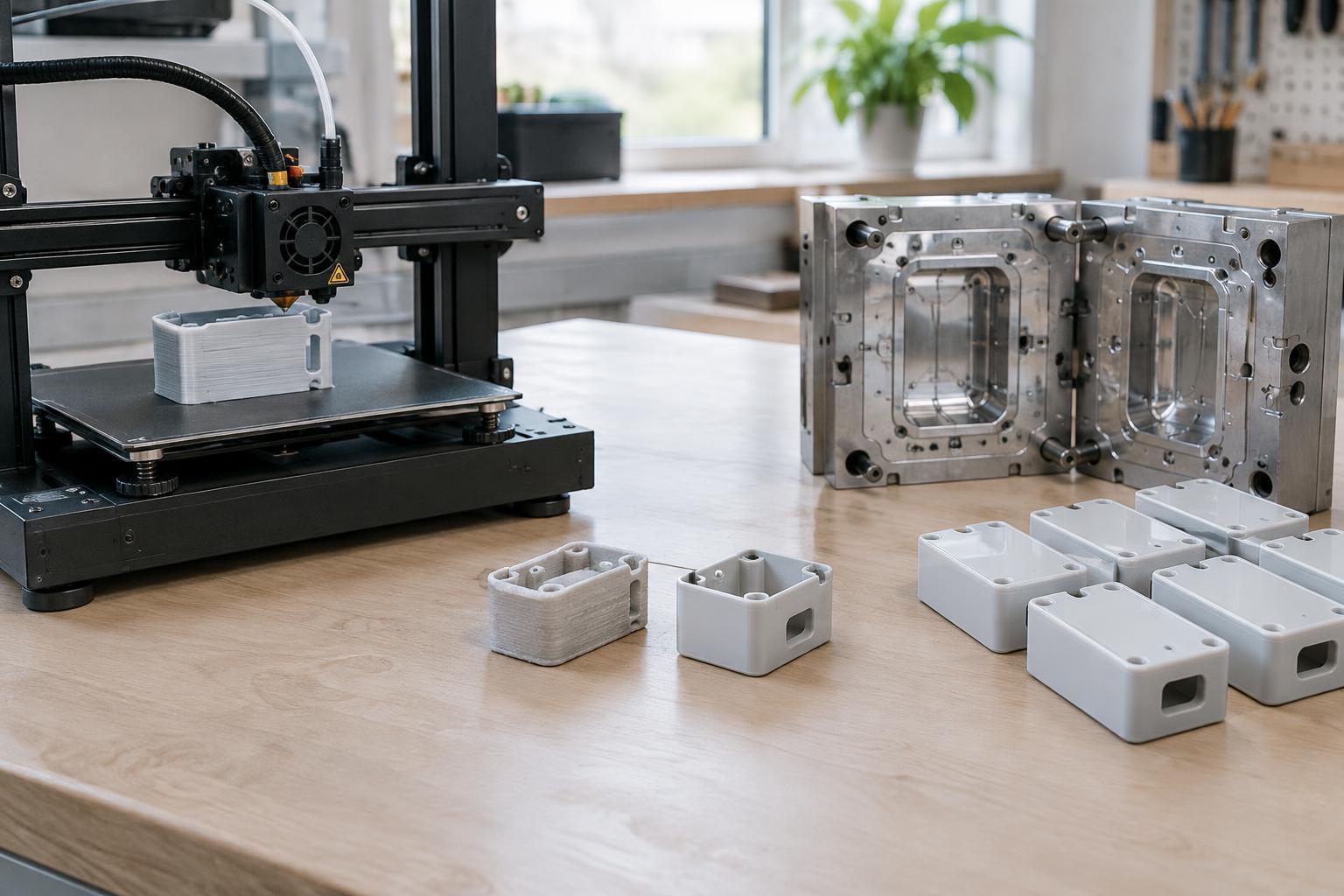
The price of raw material is only one part of product cost. Cutting, molding, finishing and assembling each place different demands on equipment and labor. A complex shape might be straightforward to mold once tooling exists but expensive to make in small batches. A simpler design using standard sheet material may be easier to produce at first. Shipping weight, protective packaging and replacement parts can change the comparison further.
It is worth asking what happens after sale, too. A surface that needs frequent refinishing or a part that cannot be replaced may make a seemingly inexpensive choice less appealing over time. Designers do not have to maximize durability at any cost: a lightweight item intended for occasional indoor use has different needs from a chair used daily. The aim is to avoid paying for performance that adds little value while not cutting the features that prevent early failure.
Treat appearance as part of the user experience
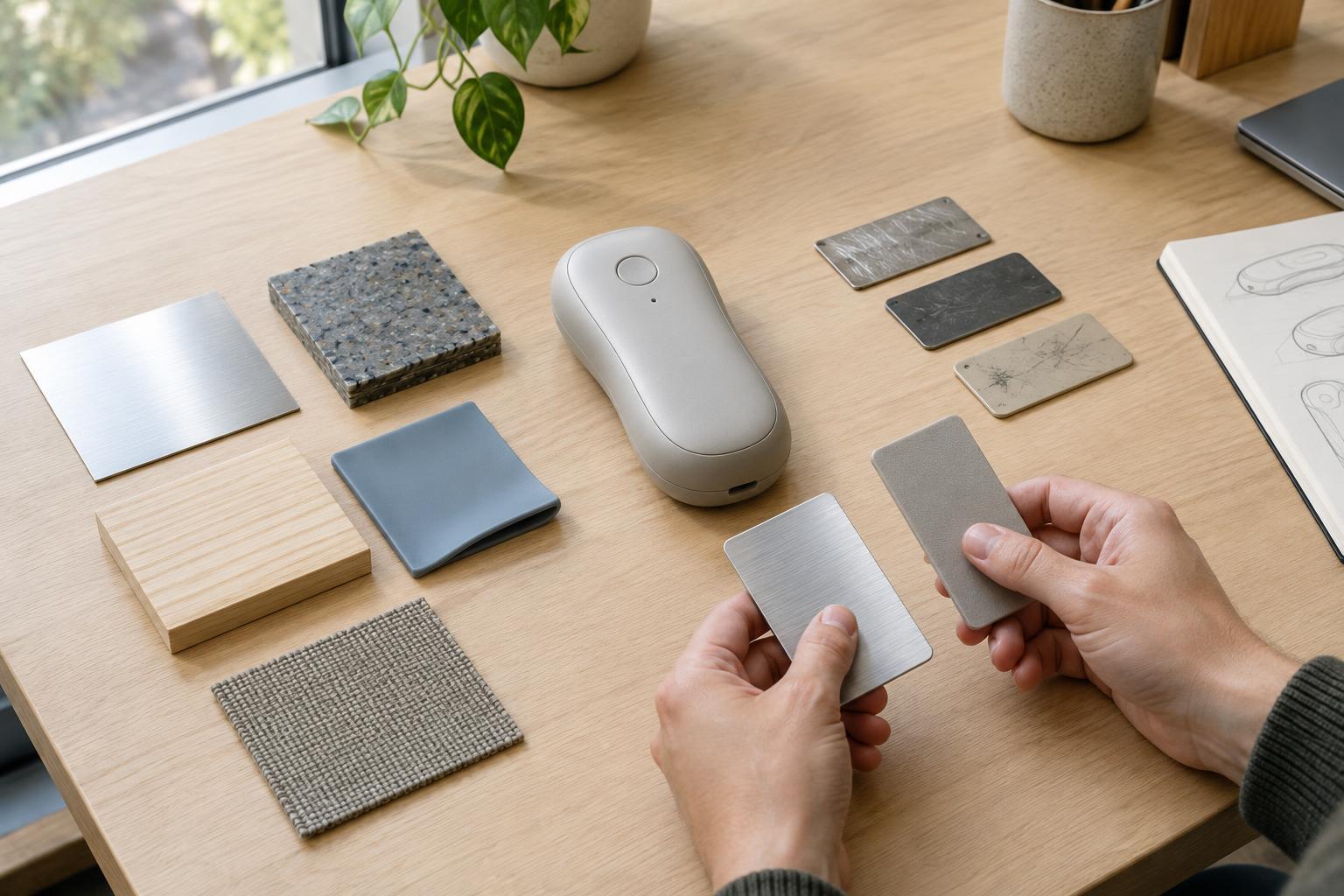
Color and texture shape expectations before a product is switched on or picked up. A matte surface may hide fingerprints better than a polished one; a transparent panel can make controls easier to understand but expose dust inside. Weight matters as well. A heavy material can make a small object feel substantial, while a lighter one can make a device more comfortable to carry. Neither effect is automatically better.
Appearance also changes with use. Scratches may blend into a textured finish but stand out on a smooth, dark surface. Some materials develop a patina that users may welcome; others simply look worn. Testing a finish after handling and cleaning gives a more useful impression than judging a pristine sample. Designers can also reserve a costly decorative material for the area people see or touch most, rather than applying it everywhere.
Make trade-offs visible before choosing
A simple comparison chart can help a team avoid arguing from first impressions. List two or three workable material options and rate each against the product’s most important needs. Note uncertainties rather than hiding them: a finish may look promising but still need scratch testing, or a supplier may need to confirm whether a chosen texture can be produced consistently. Small mock-ups can answer some questions before the design is finalized.
The final choice is often a combination of materials, not a winner in every category. A product might use a tough structural core, a comfortable grip and an outer surface selected for easy cleaning. Those layers should be considered together, including whether they can be separated for repair or recycling. Good material selection is less about finding a perfect substance than making deliberate compromises that people can live with throughout the product’s useful life.