The journey starts before takeoff
A short flight makes drone delivery look simple: load a package, fly to an address and drop it off. In practice, the order must first be picked, checked and packed at a place the drone can depart from. If an item is stored across town, getting it to that departure point may take longer than the flight. This makes the location of shops, kitchens or small distribution sites as important as the drone’s speed.
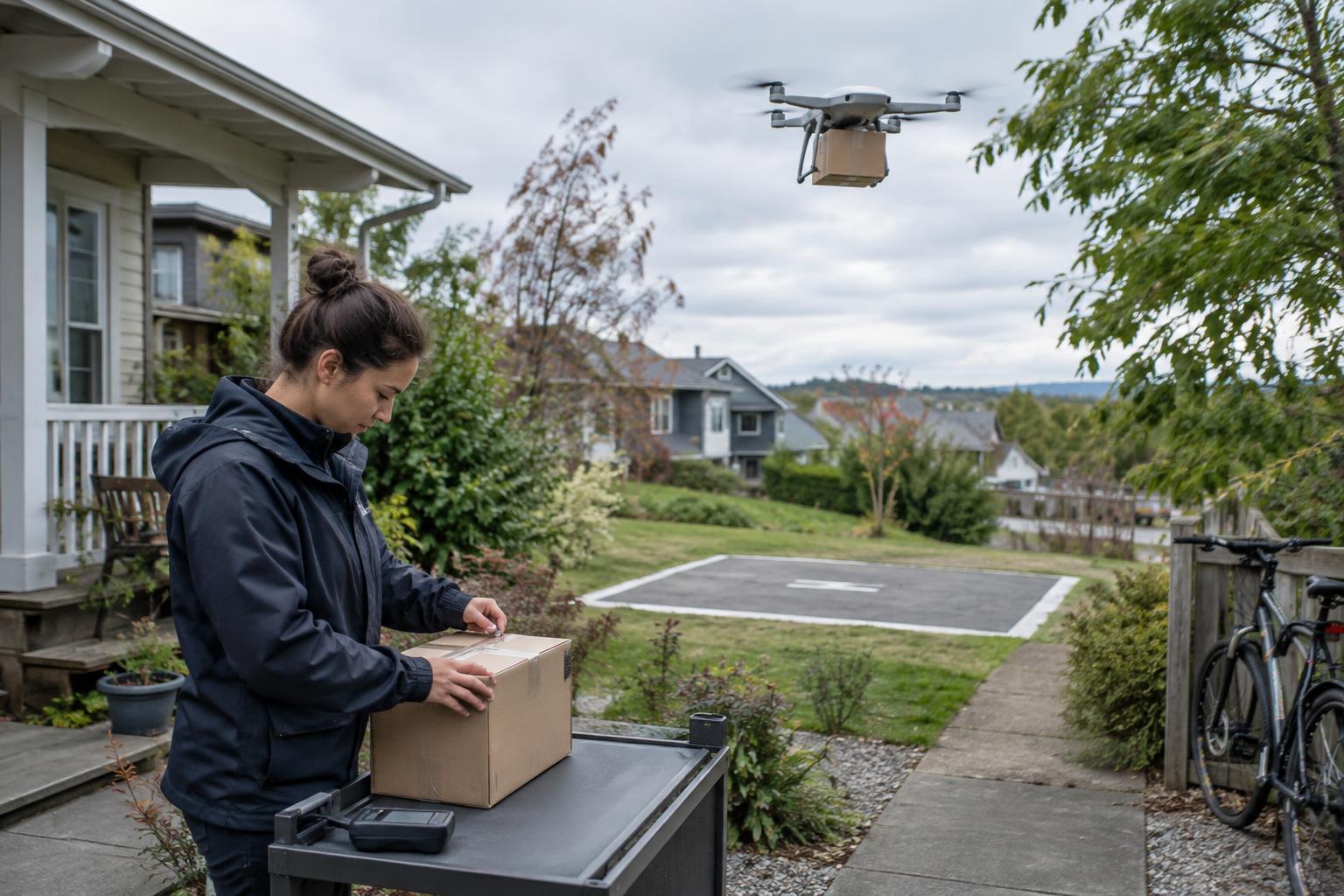
The package also has to suit the aircraft. Weight and size matter, but so do balance and secure handling. A bag that is easy for a bicycle courier to carry may be awkward to attach to a drone. Fragile goods need protection; food may need packaging that limits spills or temperature changes. These steps add work, materials and time. Drone delivery is most plausible when a business can prepare a limited range of suitable items reliably, rather than sending every kind of order by air.
An address is not always a delivery point
Reaching the right street is different from completing the handoff. A detached home might have a clear outdoor area, while an apartment may have no accessible place to lower a package. Trees, wires, balconies, parked vehicles and people can complicate the final few metres. Leaving a parcel outside also raises familiar delivery questions: who can retrieve it, how will the customer know it has arrived, and what happens if it goes missing?
Different handoff methods solve different parts of this problem. A drone might land at a designated pad, lower a package on a tether or deliver to a staffed collection point. Each method needs space and a clear procedure for people nearby. A collection point may make operations easier, but it changes the promise from delivery to the door into delivery to a place the customer must visit. The best approach depends on the buildings and routines of a particular neighbourhood.
Weather and airspace shape the timetable
A drone service has to plan for more than a typical clear day. Wind, rain and poor visibility can affect whether a flight is practical, depending on the aircraft and its operating limits. Batteries must support the trip with an appropriate margin, including a safe response if a route changes or a delivery cannot be completed. A service that cannot fly must have another way to handle the order, or make its limits clear before the customer chooses it.
Routes also need to account for other aircraft, obstacles and areas where flight may be restricted. The relevant permissions and operating requirements vary by location and type of operation, so a route that works in one area cannot simply be copied to another. Managing a small number of flights is one challenge; coordinating many flights while keeping routes predictable and responding to unexpected events is a larger one. That work continues even when individual drones navigate automatically.
The ground operation still needs people
Automation in the air does not remove every task on the ground. Someone must inspect equipment, manage batteries, load orders, respond to failed deliveries and help customers when something goes wrong. Depending on the operation, flights may also require human oversight. These roles belong in any honest comparison with a van or bicycle courier, alongside the cost of aircraft, maintenance and departure sites.
There are potential advantages in specific circumstances. A direct flight could be useful for a small, time-sensitive item when roads make the trip indirect. But a vehicle making several nearby stops can carry many orders on one journey, while a small drone may handle only a limited payload per trip. The useful question is not whether a drone can beat a van between two points. It is whether the entire service can deliver the right items consistently, at a workable cost, in that location.
Where drones fit in everyday mobility
Noise and public space also affect whether a service feels useful to the people beneath its routes. A single passing drone may be easy to overlook; repeated flights near homes or shared outdoor areas may be less welcome. Operators need to think about where flights occur, how often they occur and how customers and neighbours can report problems. A technically possible delivery is not necessarily a good fit for a community.
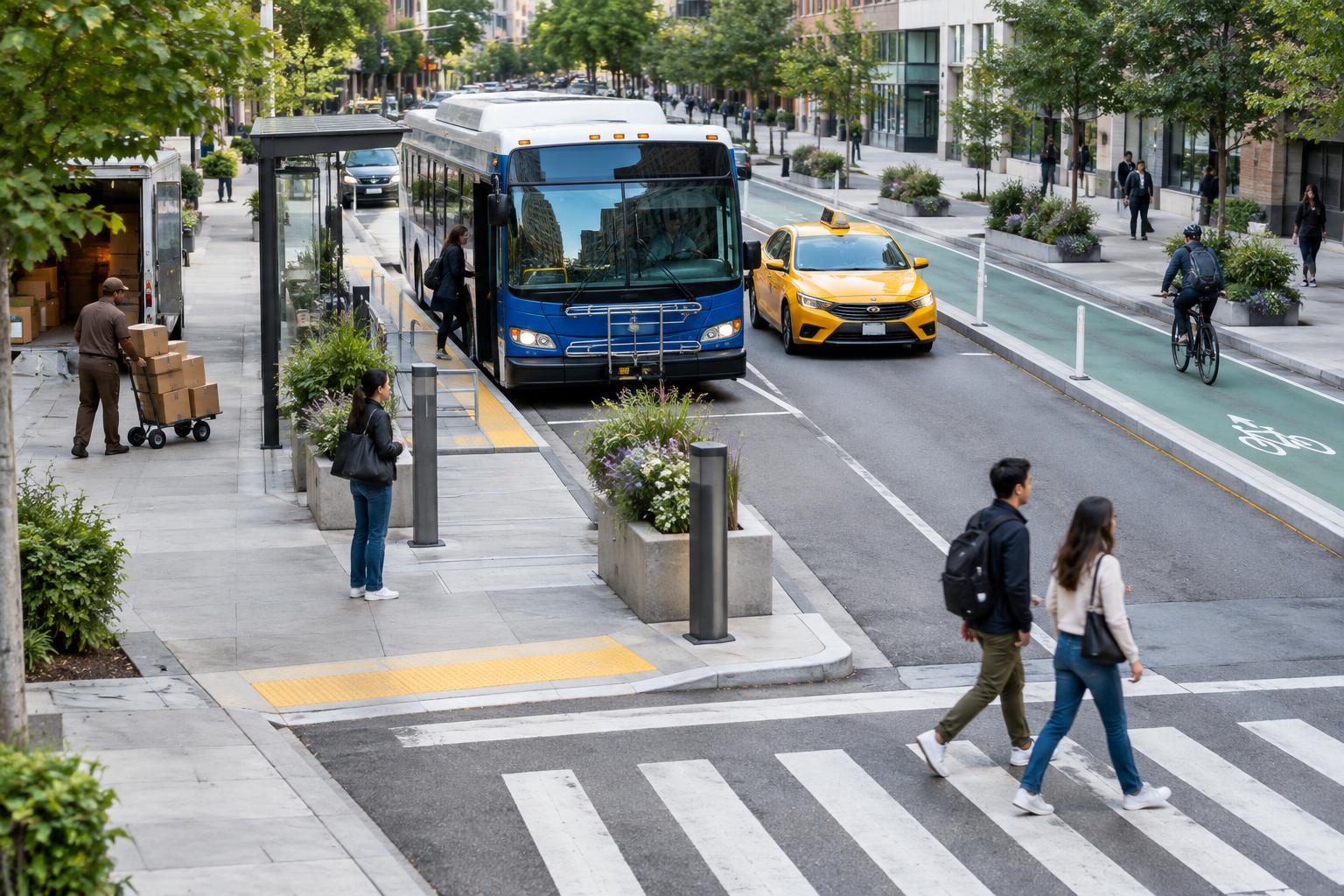
Drone delivery is therefore better understood as one option in a wider transport system, not a replacement for every courier. It may suit selected lightweight orders, clear handoff locations and routes where its direct path offers a meaningful benefit. Broader use would depend on dependable aircraft, workable local procedures and delivery sites designed for safe handoffs. The future of the service will be decided as much by packing benches, building entrances and customer expectations as by the flight itself.