From Demonstration Flight to Transport Service
An electric air taxi is generally imagined as a small aircraft that can take off and land vertically, carry a few passengers and fly relatively short routes using battery power. The concept is appealing: a trip above road traffic might connect an airport with a city district or link places separated by slow ground routes. But a demonstration flight shows only part of what passengers would need. Routine service means operating safely and predictably across many flights, with bookings, maintenance, ground access and a plan for disruptions.
It helps to separate three stages. Prototype aircraft can demonstrate that a design flies. An approved aircraft and operator can offer service under applicable rules. A routine network must then make that service useful and repeatable for passengers. Progress at one stage does not automatically complete the next. The requirements also vary by location, aircraft design and the type of service proposed.
Aircraft Must Prove More Than Lift
Vertical flight places demanding requirements on an aircraft. Its propulsion, controls and electrical systems must work together through takeoff, cruise, landing and foreseeable failures. Before carrying paying passengers, a design must satisfy the relevant aviation authority’s requirements, while its operator must meet separate rules for running flights. Testing and approval are not simply a check that the aircraft can fly: they address how it behaves when components fail, how it is maintained and what limits apply to its operation.
Battery performance is a practical constraint. The aircraft needs enough energy for the planned trip and required margins, while carrying passengers and coping with conditions such as wind. Batteries add weight, and charging takes time; neither problem disappears because the route is short. Operators will need to decide how many flights an aircraft can reliably make, when it should charge and what happens if a landing site becomes unavailable. Those answers may determine which routes are feasible long before a citywide network is imaginable.
Many concepts begin with a pilot on board. Removing the pilot could change the economics and cabin layout, but autonomous passenger service would introduce additional technical, operational and approval challenges. It should be treated as a separate possibility, not as a feature that every electric air taxi will have from the start.
Landing Sites Are Part of the Vehicle System
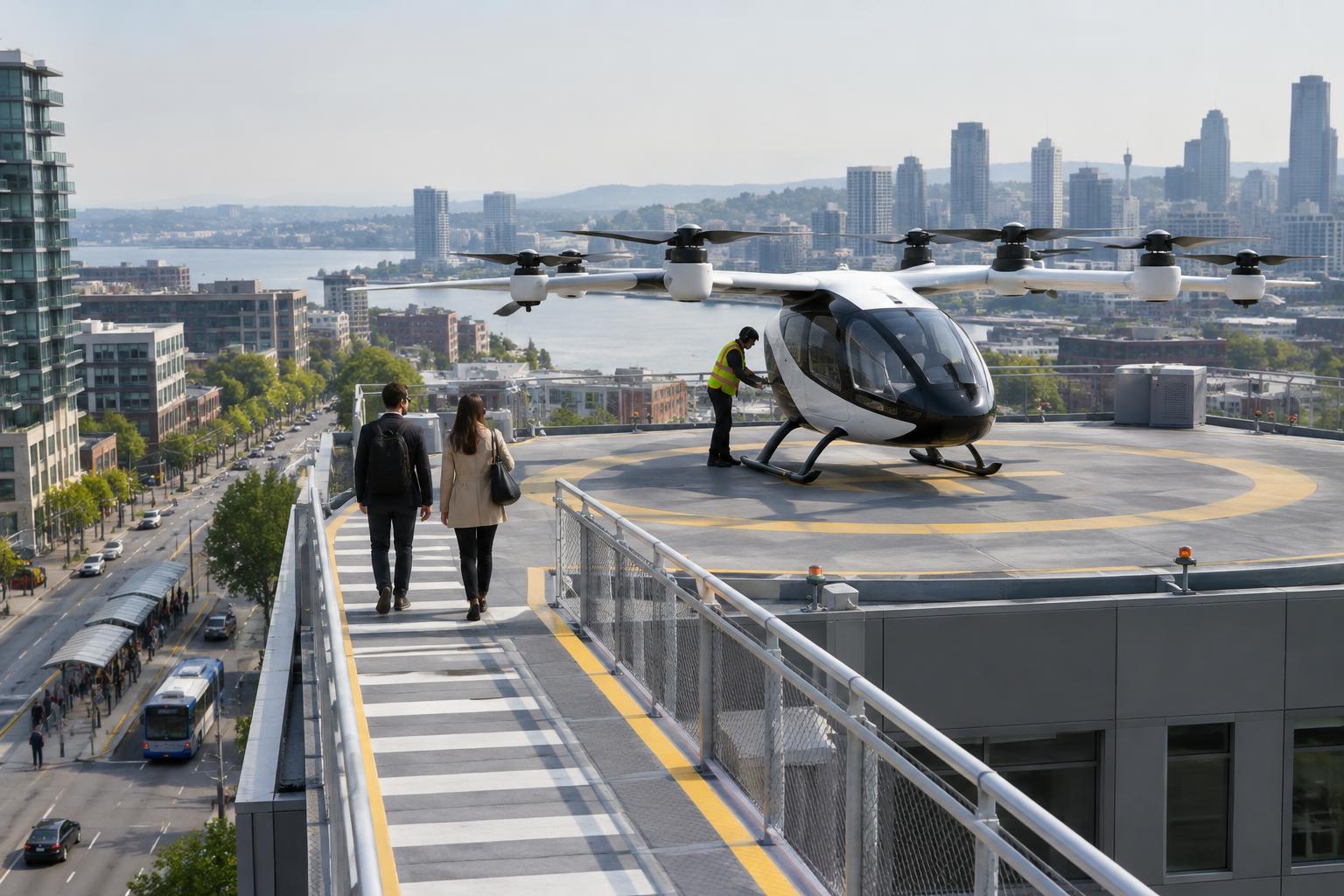
An air taxi needs somewhere to land that passengers can reach easily. A landing site may need space for safe approaches, passenger movement, charging equipment and emergency access, as well as a way to manage arriving and departing aircraft. The best-looking rooftop is not necessarily a workable site. Its location, surrounding buildings and connections to streets or public transport all matter.
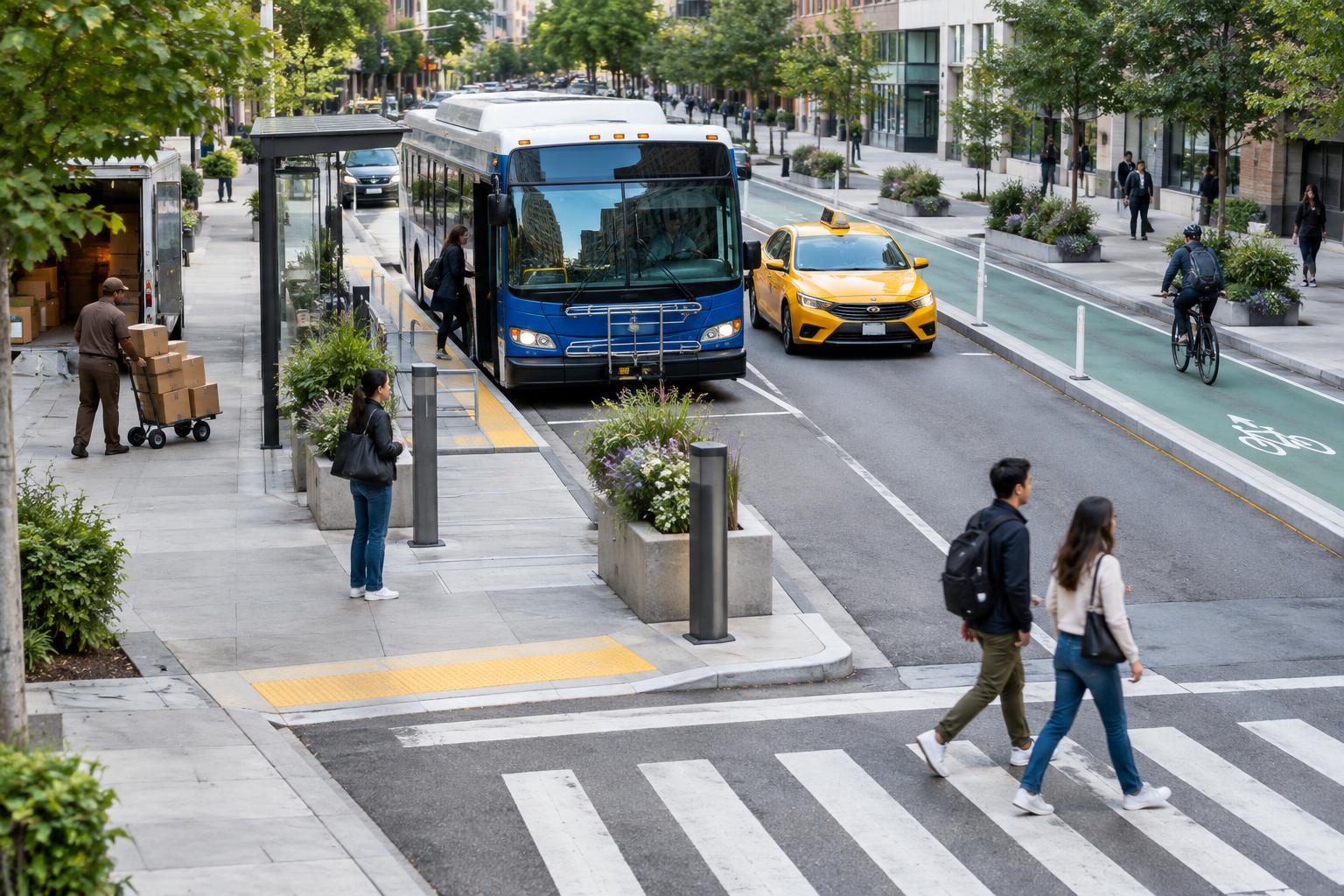
Site planning also affects the promise of a faster trip. If a passenger must make a long detour to reach a landing pad, wait to board and then arrange another ride after landing, a short flight may save little time overall. Successful routes are likely to be those where the full journey—not just the airborne portion—offers a clear advantage. Limited sites and charging capacity could restrict departure frequency even when aircraft are available.
Airspace, Weather and Neighborhoods Set the Limits
Regular flights would have to fit alongside other aviation activity. Operators need procedures for routes, communication and coordination with air traffic services where applicable. Weather limits also matter: a service advertised for everyday travel needs a clear policy for conditions in which it cannot fly. Passengers may accept an occasional cancellation, but they need timely notice and a realistic alternative when plans change.
People on the ground have a stake in where and how often aircraft fly. Electric propulsion does not make a vehicle silent; rotor noise during takeoff and landing can be especially noticeable near a busy site. Operators and local decision-makers would need to consider flight paths, operating hours, site placement and the effect of repeated flights. Community acceptance is not something a quieter motor alone can guarantee.
A Useful Service Must Earn Its Place
Even if the aircraft and landing sites work, operators must make the service dependable at a price passengers are willing to pay. Small cabins limit the number of fares each flight can collect. Pilots, maintenance, site operations, charging, insurance and aircraft downtime all contribute to costs. Early routes may serve particular trips well without becoming an affordable substitute for buses or trains.
The most useful test is a complete passenger journey: How far is the landing site? How often can flights leave? What baggage can come along? What happens if a flight is cancelled? Can people with different mobility needs use the service? Electric air taxis may eventually fill a narrow but valuable gap in some transport networks. Before they become routine, they must prove that they can serve that gap safely, consistently and conveniently—not merely that they can fly.