The journey starts before departure
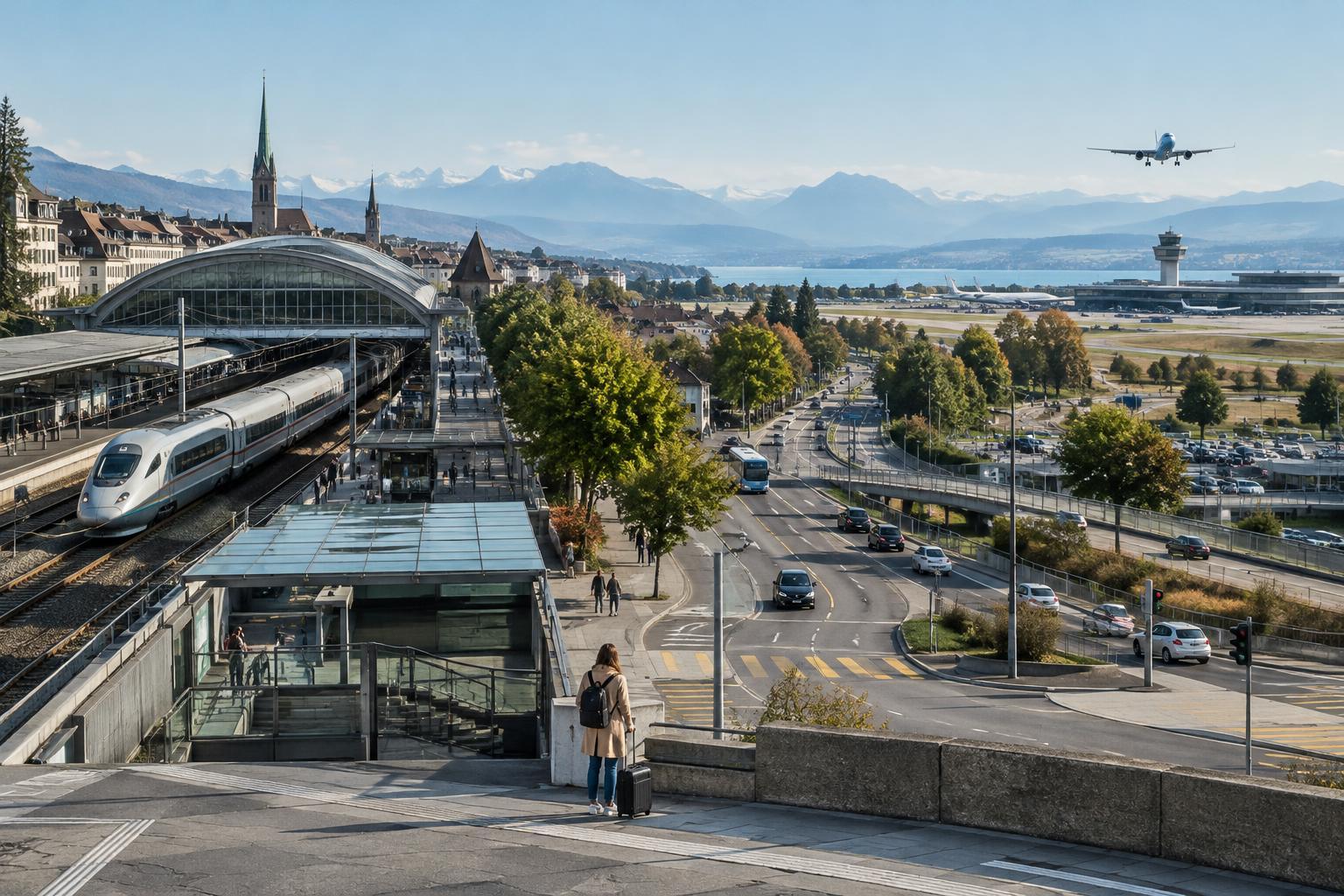
A train timetable and a flight schedule measure different slices of a trip. A flight listed as one hour long does not include the journey to the airport, check-in, security, boarding, taxiing or the trip from the arrival airport. A high-speed train may spend longer in motion but depart from and arrive at stations closer to where people live, work or stay. To compare the two fairly, start the clock when you leave your door and stop it when you reach your actual destination.
Write out each leg: travel to the terminal, time allowed before departure, time on board, time needed to leave the terminal and the final connection. Add a realistic buffer for traffic or a missed local service. The answer can change even between travelers on the same route. Someone living beside a rail station faces a different calculation from someone near an airport.
Where trains can gain time
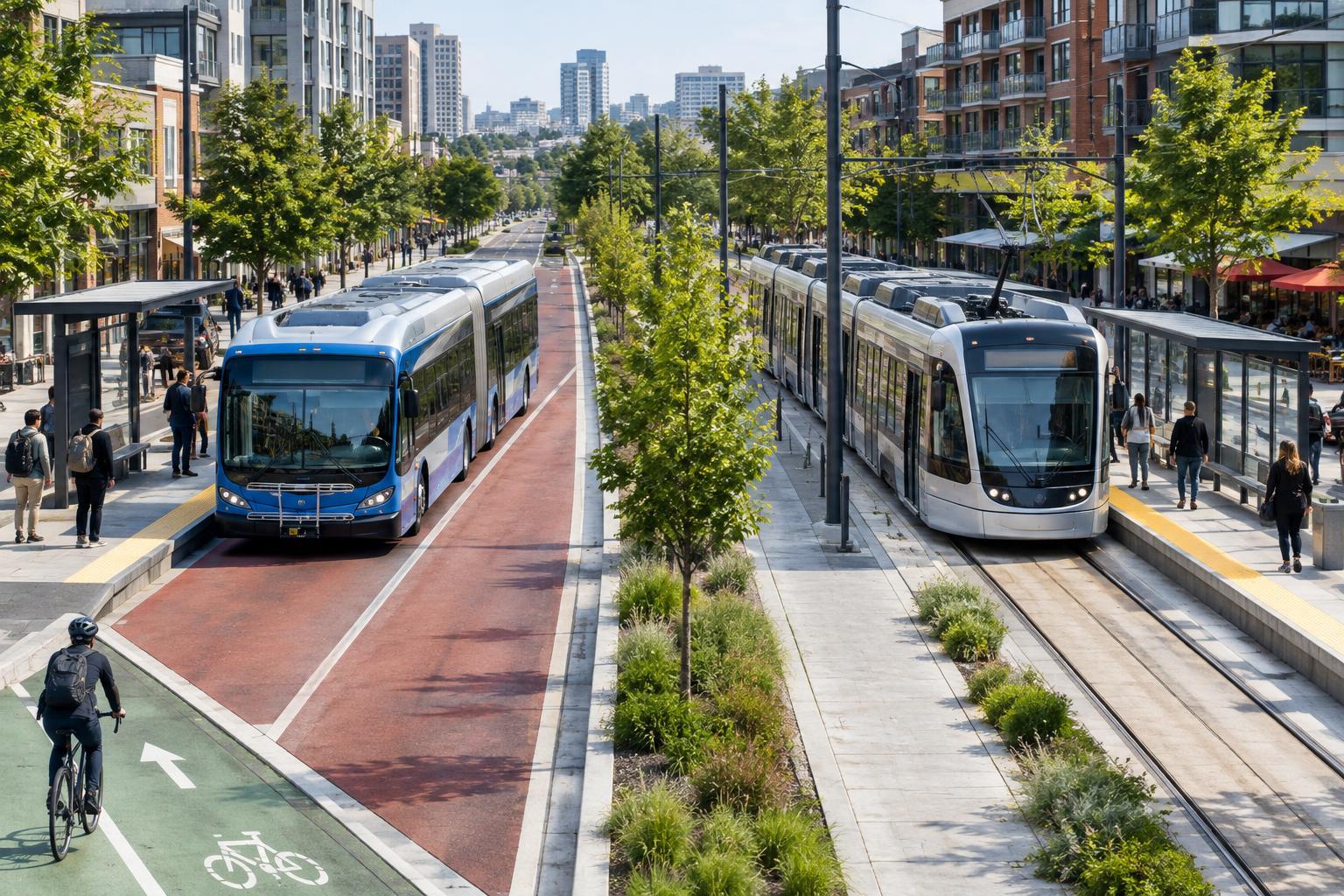
High-speed rail is most competitive when it links useful city locations directly. Stations often connect with local trains, buses, walking routes and taxis. Boarding procedures vary by operator and route, but they may require less time at the terminal than airport check-in and security. A direct train also avoids an airport transfer at the far end.
The advantage weakens if the rail journey requires a change, the high-speed station is outside the city or the final destination is closer to the airport. A train’s top speed is only one factor: stops, slower sections and connection waits determine how long the trip takes. Check the schedule for the journey you would actually book rather than assuming every service on a high-speed line takes the same time.
Where flights can make sense
Flying can be the faster door-to-door option when cities are far apart, rail links are indirect or the destination is near an airport. It may also suit a trip that continues by air: staying within the airport for a connecting flight can be simpler than traveling into a city to catch a train. These benefits depend on the connection, the terminal layout and the time allowed between services.
Short flights have time costs that are easy to overlook. Airport access can be slow, and travelers may need to arrive well before departure. On arrival, getting off the aircraft, collecting checked baggage and reaching ground transport all add time. If a flight arrives late in the evening, the last bus or train into town may already have left. Compare arrival times as well as total hours.
Cost, comfort and reliability belong in the comparison
The cheapest advertised fare may not be the cheapest complete trip. Add local transport at both ends, baggage charges where applicable and any seat-selection or booking fees you would actually pay. Rail and air prices both vary by route, demand and booking conditions, so compare tickets with similar flexibility. A low fare is less useful if changing your plans would be costly.
Time on board matters differently to different people. A train may let you move around or use more of the journey for reading and work; a flight may offer a shorter seated journey but more time moving through terminals. Accessibility, luggage needs and traveling with children can alter which option feels easier. Neither mode is free from disruption. Allow extra time when an important appointment depends on arriving promptly, and look at what alternative services would be available if your departure were canceled.
A simple way to decide
Make two door-to-door itineraries for the same travel day. Use your real starting point and final address, not just station and airport names. Record the departure time, planned arrival time, total cost and number of transfers. Then ask whether the faster itinerary still looks attractive after you include a sensible buffer and the effort of each connection.
Environmental impact may matter too. On many well-used, electrified routes, rail can have a lower impact per passenger than flying, but the comparison depends on factors such as the electricity supply, vehicle occupancy and the route taken. If that is central to your choice, look for route-specific information rather than treating either mode as universally better. The most useful comparison is not train speed against aircraft speed; it is two complete journeys that could take you where you need to go.