Start with where the car is parked
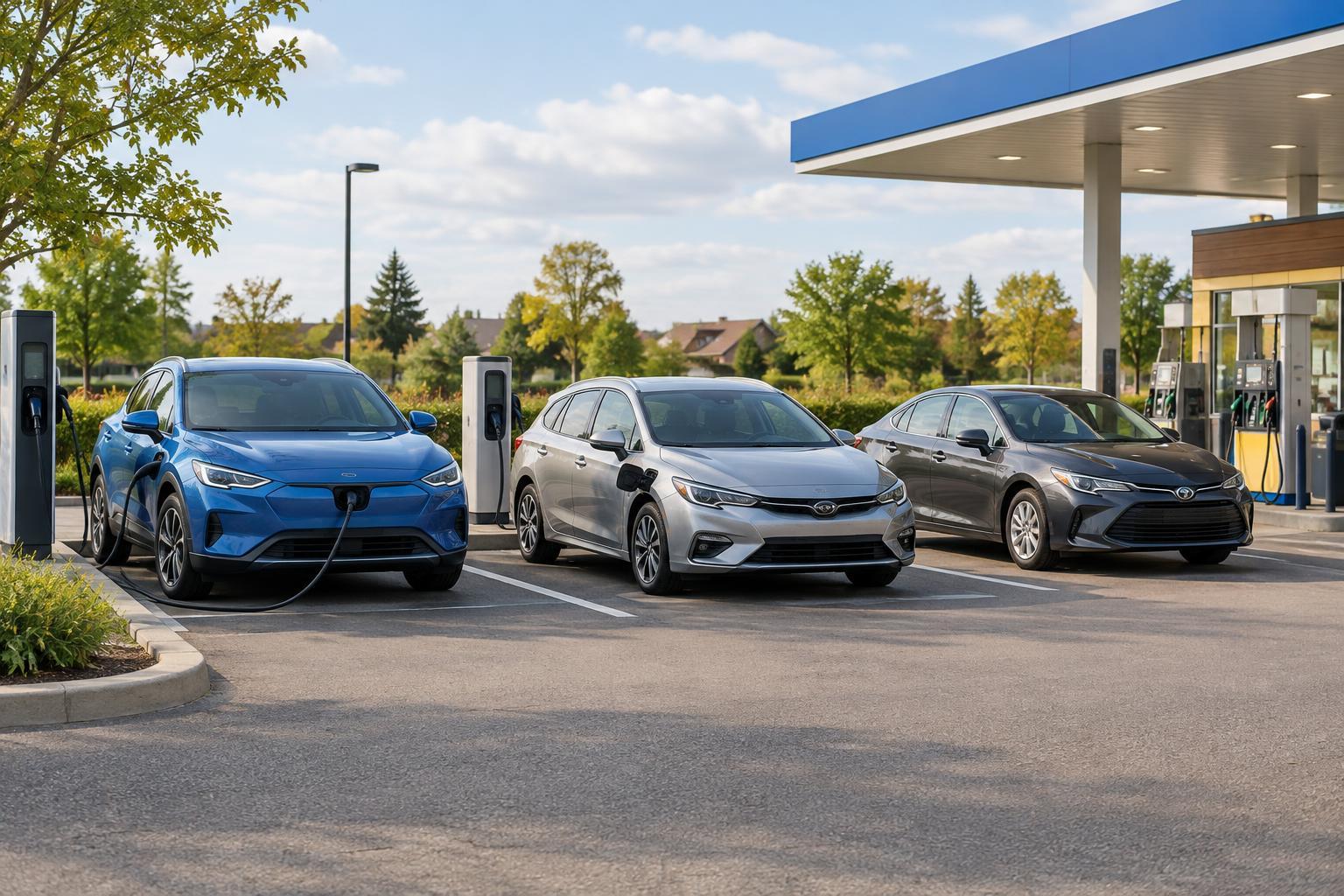
Choosing an EV charger begins with a simple question: where does the car spend enough time to charge? A vehicle parked at home overnight or at work for much of the day can often gain the energy it needs from a slower connection. Fast charging is most useful when a driver needs to continue a journey soon. The right choice is therefore a combination of parking access, driving habits and available chargers, not just the highest charging speed.
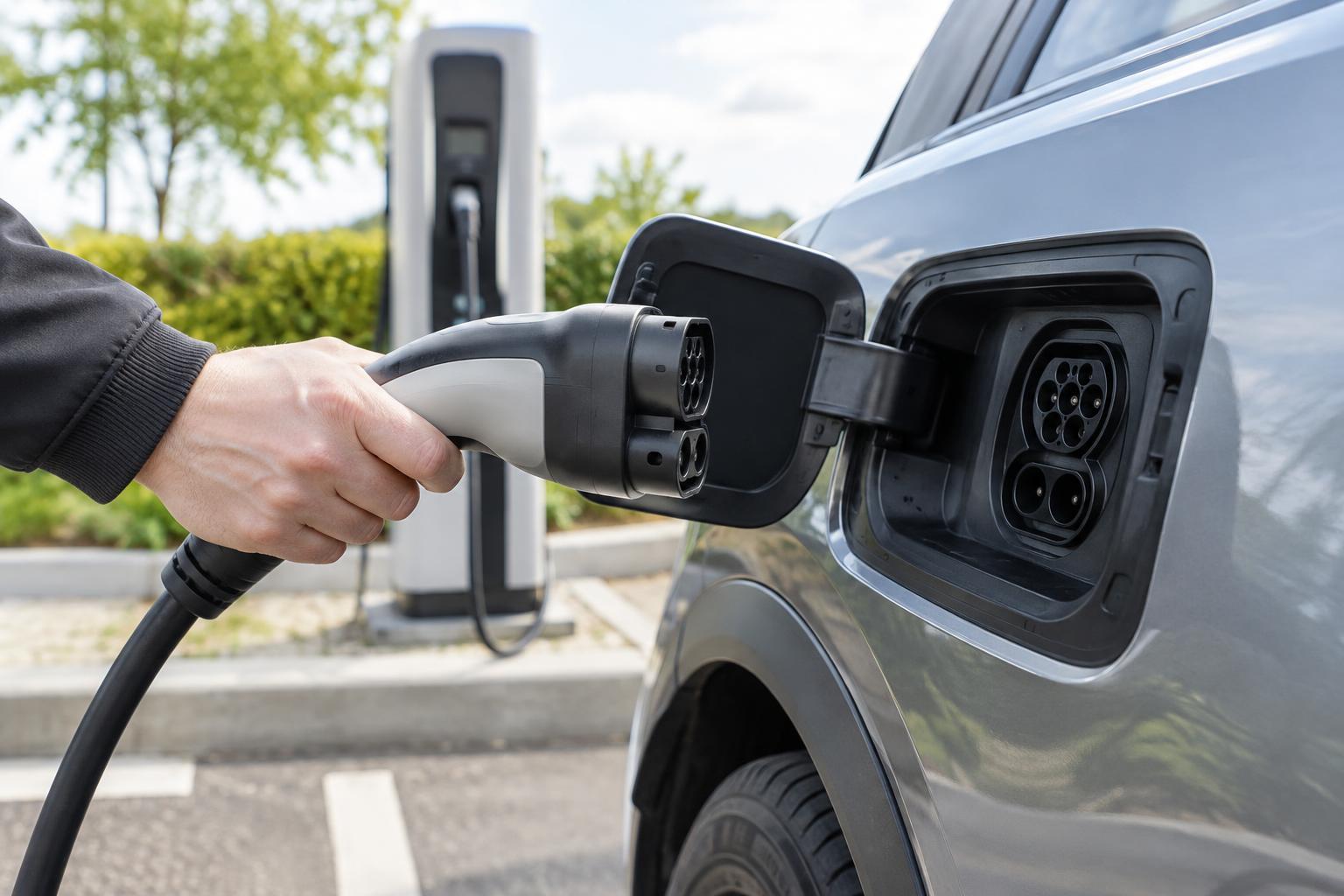
Before comparing options, estimate a typical week of driving and note which parking spaces you can use reliably. Check the vehicle’s charging connector, its maximum charging rates and the types of charging available nearby. A charger’s advertised power is only one part of the picture: the vehicle may accept less, and charging speed can change as the battery fills. Thinking in terms of time parked and energy needed is more useful than assuming every charging stop must fill the battery.
Home charging: convenient when you have dependable parking
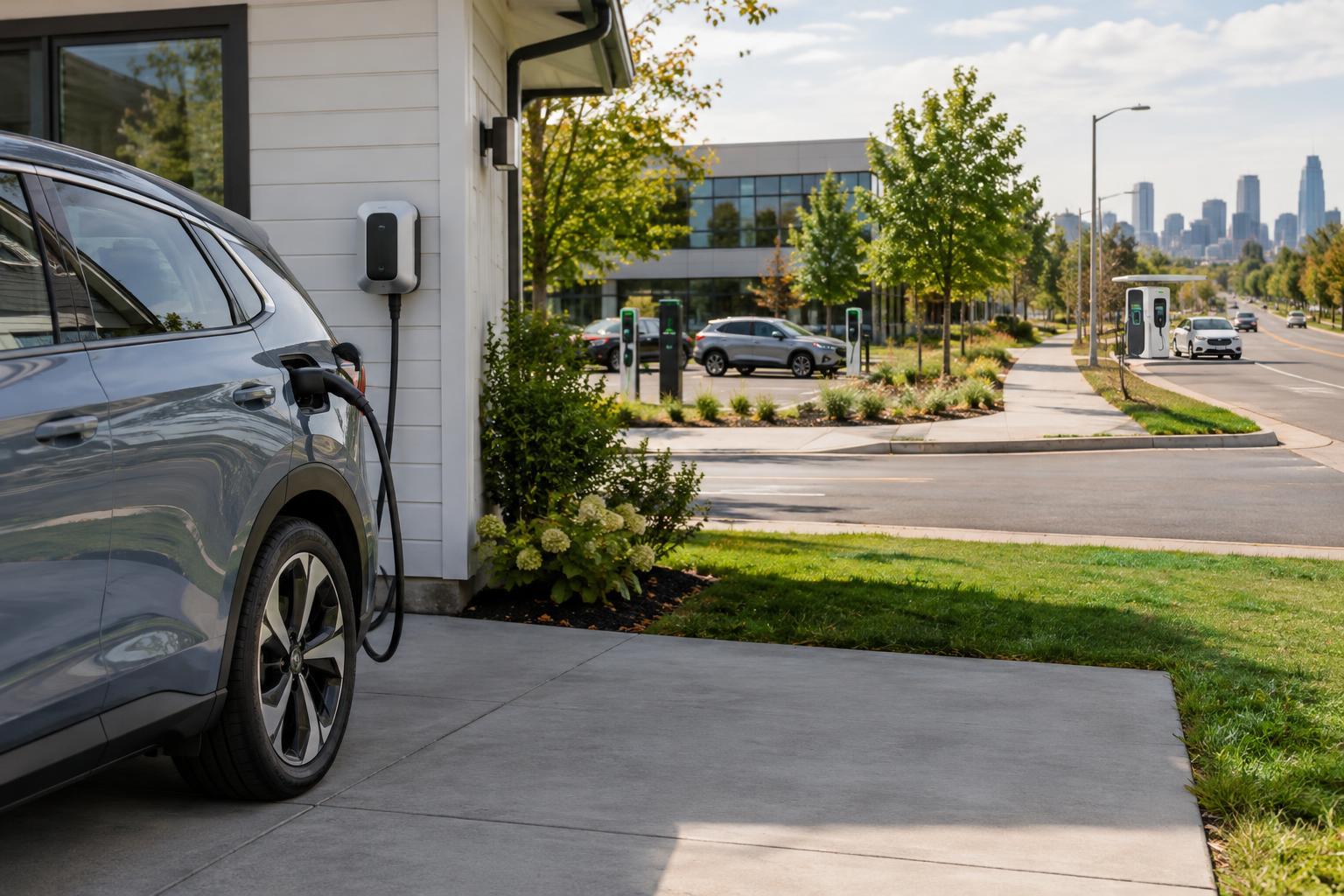
For drivers with a suitable parking space, home charging can make EV ownership feel straightforward. Plugging in after the last trip of the day lets the car charge while it is otherwise unused. A dedicated home charging unit may offer more convenient control and faster charging than a standard household outlet, depending on the electrical setup and local rules. Installation should be assessed by a qualified professional rather than treated as a simple appliance purchase.
Home charging is not automatically the best or cheapest option for everyone. The installation cost, electricity tariff, available electrical capacity and parking arrangement all matter. Apartment residents and people who park on the street may have no practical way to run a cable safely or legally. If home charging is possible, consider how the cable reaches the car, whether the charger can be used by other household vehicles and whether scheduled charging fits the household’s routine.
Workplace charging: useful time, shared resource
Workplace charging can be valuable because a car may remain parked for hours during a normal workday. It can serve drivers who cannot charge at home and provide a convenient supplement for those who can. Charging need not be especially fast to be helpful over a long parking session, although the energy gained will depend on the charger and the vehicle.
The main limitation is access. A workplace may have fewer plugs than drivers who want to use them, and availability may change with working hours or office attendance. Before relying on it, find out who can use the chargers, how payment works, whether spaces must be booked and whether cars are expected to move once charging finishes. Treat a shared workplace charger as a dependable part of your routine only if its rules and availability support that expectation.
Public fast charging: best for shorter stops and longer trips
Public fast charging helps when time matters, especially on journeys that extend beyond an EV’s comfortable range. A suitable high-power charger can add useful energy during a meal or rest stop, but the session may slow as the battery becomes fuller. For many trips, charging enough to reach the next planned stop or destination can be more practical than waiting for a completely full battery.
Fast charging requires more planning than plugging in at a familiar location. Check that a station has connectors your car can use, consider how you will start and pay for a session, and leave room for a backup stop if a charger is occupied or unavailable. Prices and access arrangements can vary by provider and location. For a driver who mostly makes short local trips, fast charging may be an occasional tool rather than the foundation of everyday charging.
Build a charging mix that can adapt
Most drivers do not need to choose one charging method exclusively. Someone with home parking might charge there regularly and use public fast chargers on trips. Another driver might combine workplace charging with slower public chargers near places they already visit. A useful routine covers ordinary driving without demanding frequent special trips, while leaving a realistic alternative for days when the usual plug is unavailable.
Newer features, such as charging schedules, can help drivers manage when a connected car draws power, where the vehicle and charger support them. Bidirectional charging, which may allow a compatible vehicle and system to supply power outward, is a separate capability and should not be assumed to come with every EV or charger. For now, the practical priority is simpler: match charging speed to parking time, confirm access and compatibility, and keep enough flexibility for changes in travel plans.