Moving heat instead of making it
A heat pump is a heating and cooling system built around a simple idea: heat can be moved from one place to another. In heating mode, it collects heat from outside and delivers it indoors. In cooling mode, it takes heat from inside and releases it outdoors. The same basic equipment can therefore do the jobs of both a heater and an air conditioner.
This can sound unlikely on a cold day, but cold outdoor air still contains heat. A heat pump uses a circulating fluid called refrigerant to absorb some of that heat. A compressor then raises the refrigerant’s pressure and temperature so it can release heat inside the home. After its pressure drops, the refrigerant is ready to absorb heat again. Fans or pumps move air or water past parts of this loop to carry the heat where it is needed.
Because the system transfers heat instead of producing all its warmth through electrical resistance, it can deliver more heat to a room than the electrical energy it consumes. That does not mean it creates energy: the extra heat comes from its surroundings. How much electricity it needs depends on conditions outside, the equipment and the home.
What changes between winter and summer
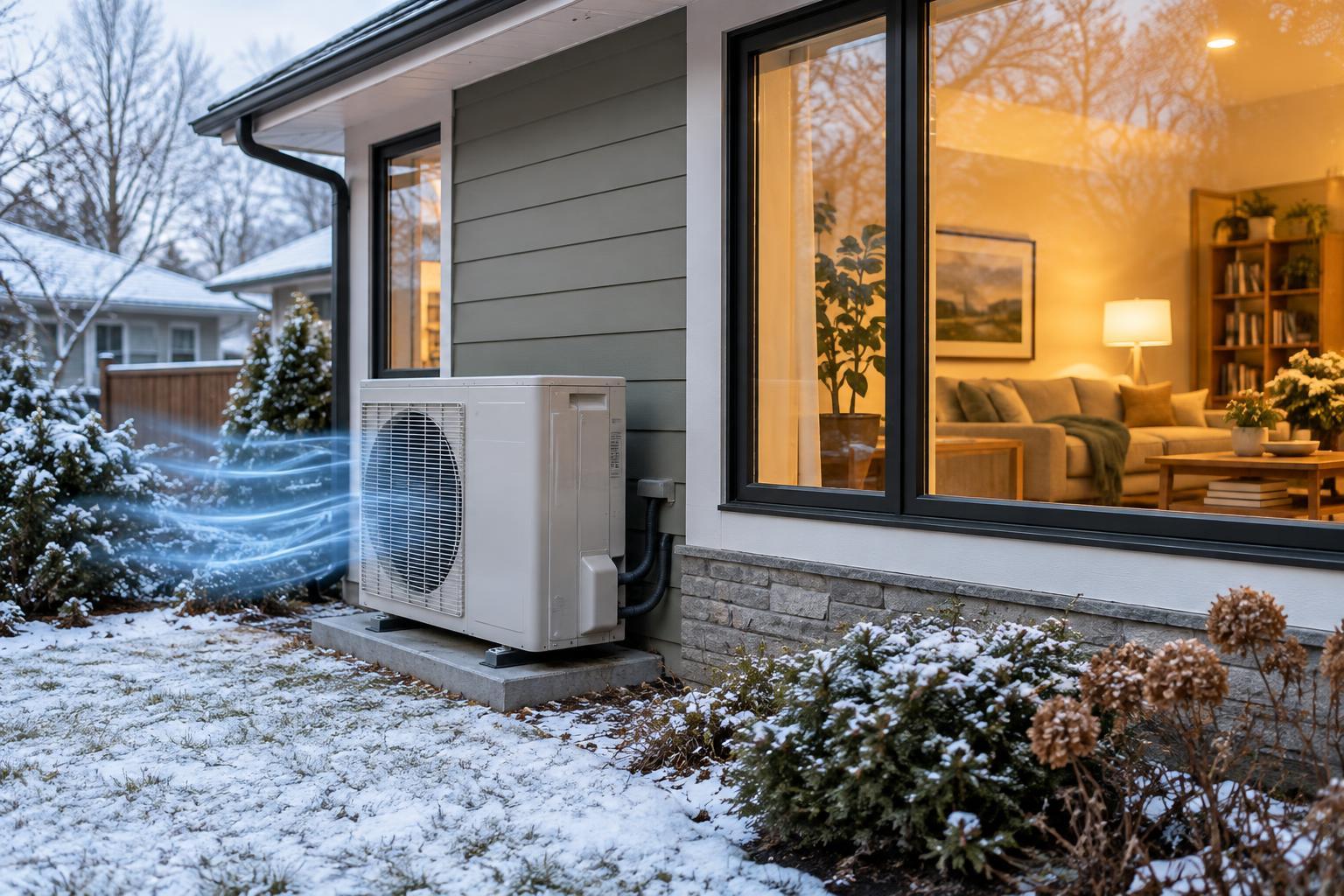
In winter, an air-source heat pump draws heat from outdoor air and releases it indoors through ducts, a wall-mounted indoor unit or another suitable distribution system. In summer, a reversing valve changes the refrigerant’s path. The indoor side absorbs heat, and the outdoor side releases it. As with conventional air conditioning, cooling can also remove some moisture from indoor air when humid air passes over a cold indoor coil.
Outdoor temperature matters. As the air gets colder, there is generally less heat available to collect, and the pump may need to work harder to maintain an indoor set temperature. Ice can also form on the outdoor coil in cool, damp weather. Many systems periodically run a defrost cycle to clear it. During that cycle, heating may briefly pause or be supplemented by another heat source.
Some heat pumps are designed to operate in very cold climates, while others rely more heavily on backup heat as temperatures fall. That distinction is about the capabilities of a particular system, not a rule that heat pumps work only in mild weather.
The main ways homes use heat pumps
The outdoor air is a common heat source. A ducted air-source system sends conditioned air through a home’s existing or newly installed ducts. A ductless system typically pairs an outdoor unit with one or more indoor units, which can serve specific rooms or zones. Ductless does not necessarily mean every room gets its own unit; the layout determines how evenly heat and cooling reach different spaces.
Ground-source systems exchange heat with the ground through buried loops. Ground temperatures tend to vary less than air temperatures, which can help provide steadier conditions for heat exchange. Installation is usually more involved because it requires suitable space and ground work. Heat pumps can also move heat into water for space heating or domestic hot water, but these are different system configurations. A heat pump that conditions rooms does not automatically heat a home’s tap water.
Why the home matters as much as the machine
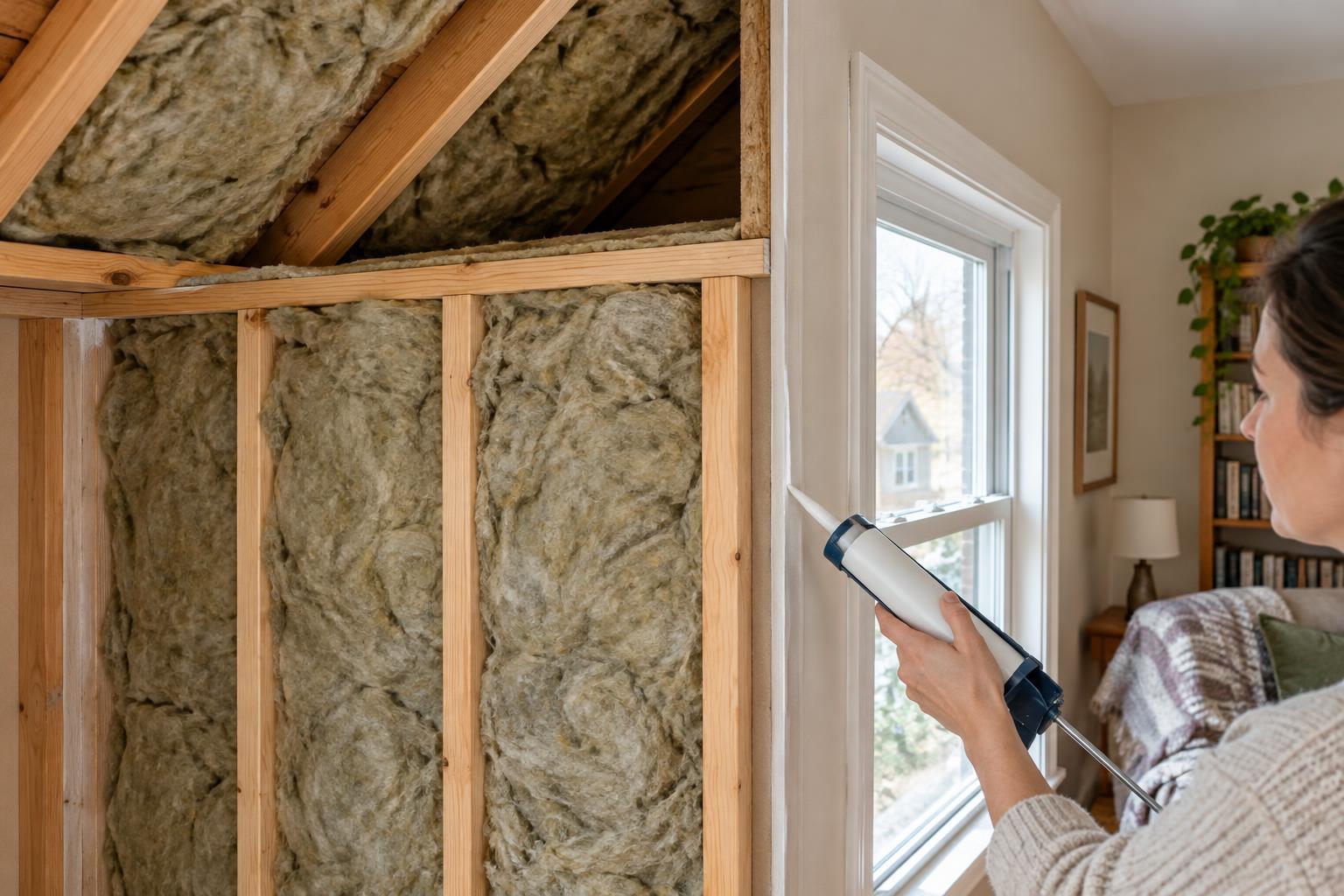
Comfort depends on more than the heat pump’s label or capacity. Insulation, drafts, window performance and the way air or heated water circulates all affect how easily a home holds its chosen temperature. A system that is poorly matched to the building may struggle in demanding weather or cycle on and off more often than intended. The size and placement of indoor units, duct condition and thermostat settings can also shape the experience from room to room.
Heat pumps often run for longer periods at a moderate output rather than delivering short bursts of very hot air. That can feel different from a traditional furnace even when the room reaches the same temperature. Some systems vary their output to respond gradually to changing needs; others operate in fewer steps. Understanding that difference helps explain why a steady indoor temperature can be a normal operating pattern, not a sign that the equipment is failing.
Efficiency and climate impact in context
A heat pump’s energy use changes across the year. In mild conditions, moving heat is generally easier than on the coldest or hottest days. Actual running costs depend on electricity prices, the home’s heating and cooling needs, system performance and any backup heat used. Comparing systems therefore means looking beyond a single efficiency figure to how they will operate in a particular home.
Climate impact also has more than one component. A heat pump uses electricity, whose emissions depend on how that electricity is generated. Its refrigerant matters too: refrigerants can have climate effects if they leak, so correct installation, maintenance and end-of-life handling are important. The established technology is the heat-moving cycle itself. The most useful question for a household is how a specific system, installed in a specific building, will provide comfortable heating and cooling over time.