The key ingredient is light, not heat
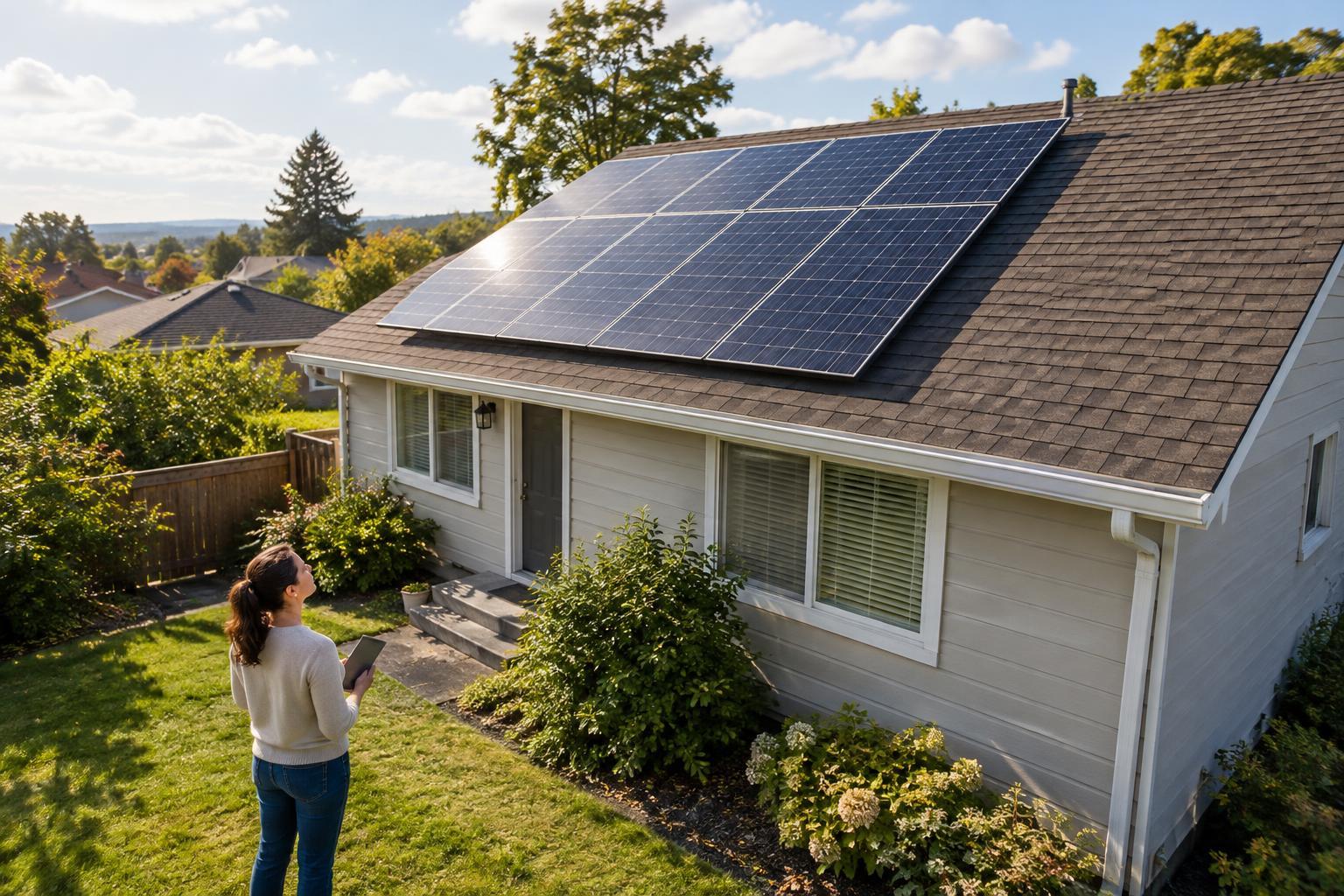
A rooftop solar panel may feel warm in the sun, but warmth is not what makes it generate electricity. The panel contains many solar cells, usually made from silicon. When light reaches a cell, some of its energy can free electric charges within the silicon. This process is called the photovoltaic effect. It turns part of the energy in sunlight directly into electrical energy, without burning fuel or spinning a generator.
Sunlight arrives as packets of energy called photons. Not every photon becomes useful electricity: some light is reflected, and some energy ends up as heat. A cell works only when it receives light, so its output changes throughout the day. It can still generate power under a cloudy sky, though generally less than it would in strong, direct sunlight.
How a solar cell creates a current
Freeing electric charges is only the first step. To produce useful power, a solar cell must guide them in a consistent direction. Manufacturers make this possible by treating adjoining layers of silicon differently. Where the layers meet, they form a junction with an internal electric field. When absorbed light creates a pair of movable charges, that field helps separate them before they recombine.
Metal contacts on the cell collect the charges. If the contacts are connected through an external circuit, electrons can flow through that circuit and power a device. That flow is electric current. A single cell produces a modest amount of power, so cells are connected to make a panel, and panels can be connected to form a larger system. Their arrangement helps determine the system’s voltage, current and behavior when part of it is shaded.
From rooftop panel to wall socket
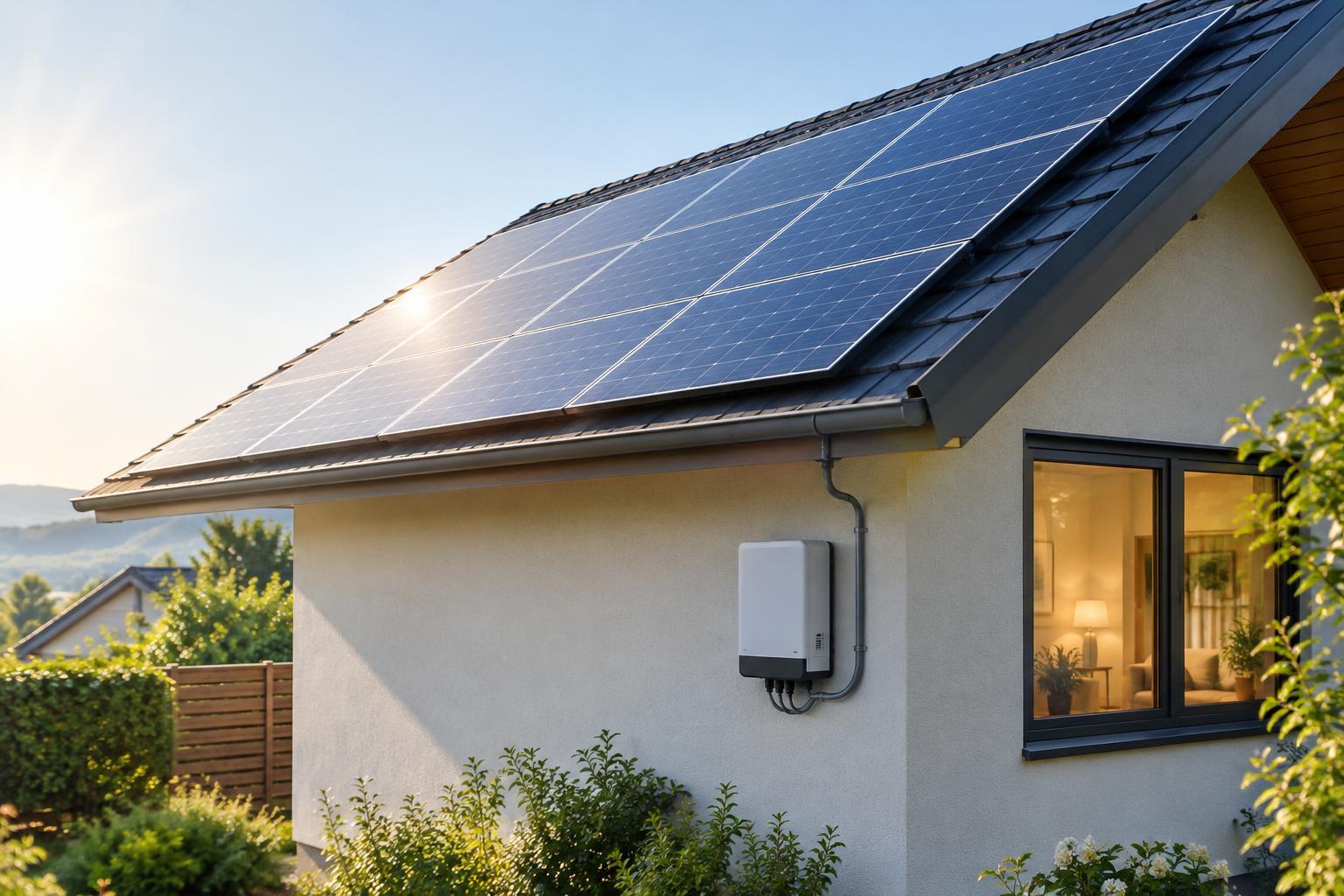
Solar cells produce direct current, or DC: electricity that flows in one direction. Most household electrical systems use alternating current, or AC, which regularly changes direction. An inverter converts the panels’ DC output into AC that household circuits can use. Depending on the system, conversion may happen at one central inverter or at smaller units associated with individual panels.
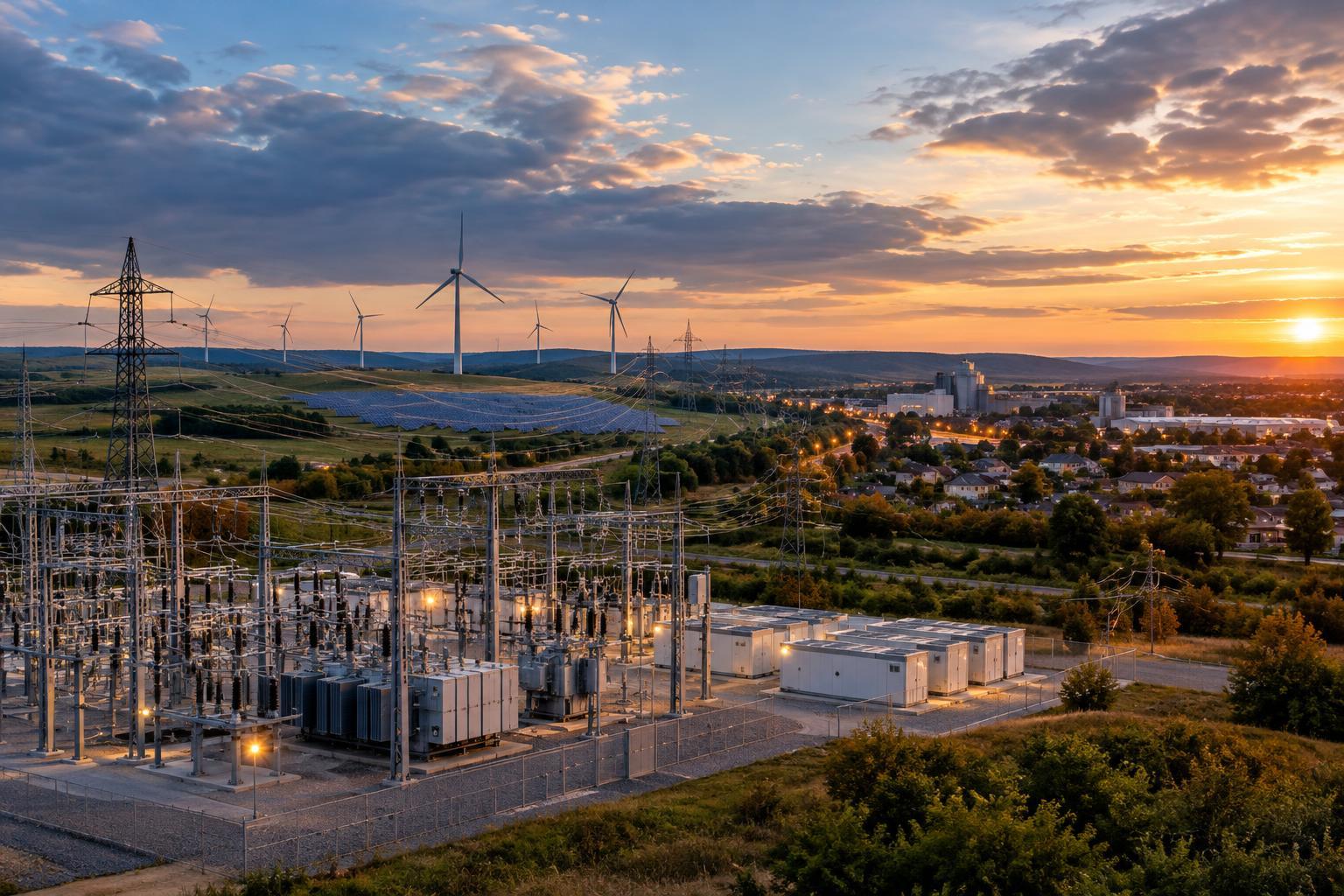
A solar array does not necessarily power a home on its own at every moment. Production rises and falls with available light, while demand can occur at any time. A grid-connected system can draw electricity from the grid when solar production is insufficient. Some systems also include batteries, which store energy for later use. Panels, inverters and batteries have distinct jobs: the panels generate electricity, the inverter converts it, and the battery stores some of it.
Why output varies
A panel’s rated output is a useful point of comparison, not a promise that it will deliver that power all day. The angle of sunlight, season, cloud cover and shadows all affect how much light reaches its cells. Even a small patch of shade can matter, particularly when cells are electrically connected in a way that lets the shaded area limit current elsewhere. Panel design and electronics can reduce some of these effects, but they cannot create sunlight where there is none.
Temperature matters too. Although bright sun helps, many silicon panels become less efficient as the cells get hotter. Dirt and debris can also block some light. A well-planned installation therefore considers more than the size of the roof: it looks at where sunlight falls during the day, where shadows appear, and how the panels will be mounted and connected.
What solar panels can and cannot do
The photovoltaic effect is established technology, not a future concept. Solar panels already provide electricity for everything from small outdoor devices to buildings and larger power systems. Their appeal is straightforward: once installed, they can generate electricity whenever enough light is available, with no fuel delivered to the panels.
That does not mean solar power is constant or impact-free. Panels require materials and manufacturing, and their electricity output depends on local conditions and system design. Storage, a grid connection or another power source may be needed when sunlight is limited. Understanding those limits makes the basic achievement clearer: a solar cell uses light and a carefully designed semiconductor to move electric charges through a circuit, producing power people can put to work.