Why balance matters every second
When you switch on a kettle, its electricity must come from somewhere on the grid. Electricity from power plants, wind turbines, solar panels and batteries flows through a shared network to homes and businesses. Across that network, supply and demand must stay closely matched. The grid does not keep a large reserve of unused electricity sitting in its wires, ready to be drawn on later.
On an alternating-current grid, a mismatch shows up partly as a change in frequency. If demand rises faster than supply, frequency tends to fall; if supply exceeds demand, it tends to rise. Equipment is designed to work within an acceptable range, so operators and automatic controls act to correct deviations. This is a network-wide balancing task, not a separate calculation for every appliance.
Planning ahead, then adjusting in real time
Grid operators forecast demand using factors such as time of day, weather and expected activity. They also estimate how much electricity different sources can provide. A conventional power plant may be scheduled to run, while the expected output from wind and solar depends on weather forecasts. Operators arrange resources that can respond if those forecasts prove imperfect or a generator unexpectedly stops.
As the day unfolds, monitoring systems track conditions across the network. Some generators can increase or reduce output when instructed. Others, along with batteries and certain large electricity users, can respond automatically or through dispatch arrangements. These responses work on different timescales: some help steady the grid quickly, while others cover a shortfall over the following minutes or hours. The mix varies by grid, available equipment and operating rules.
What changes when wind and solar grow
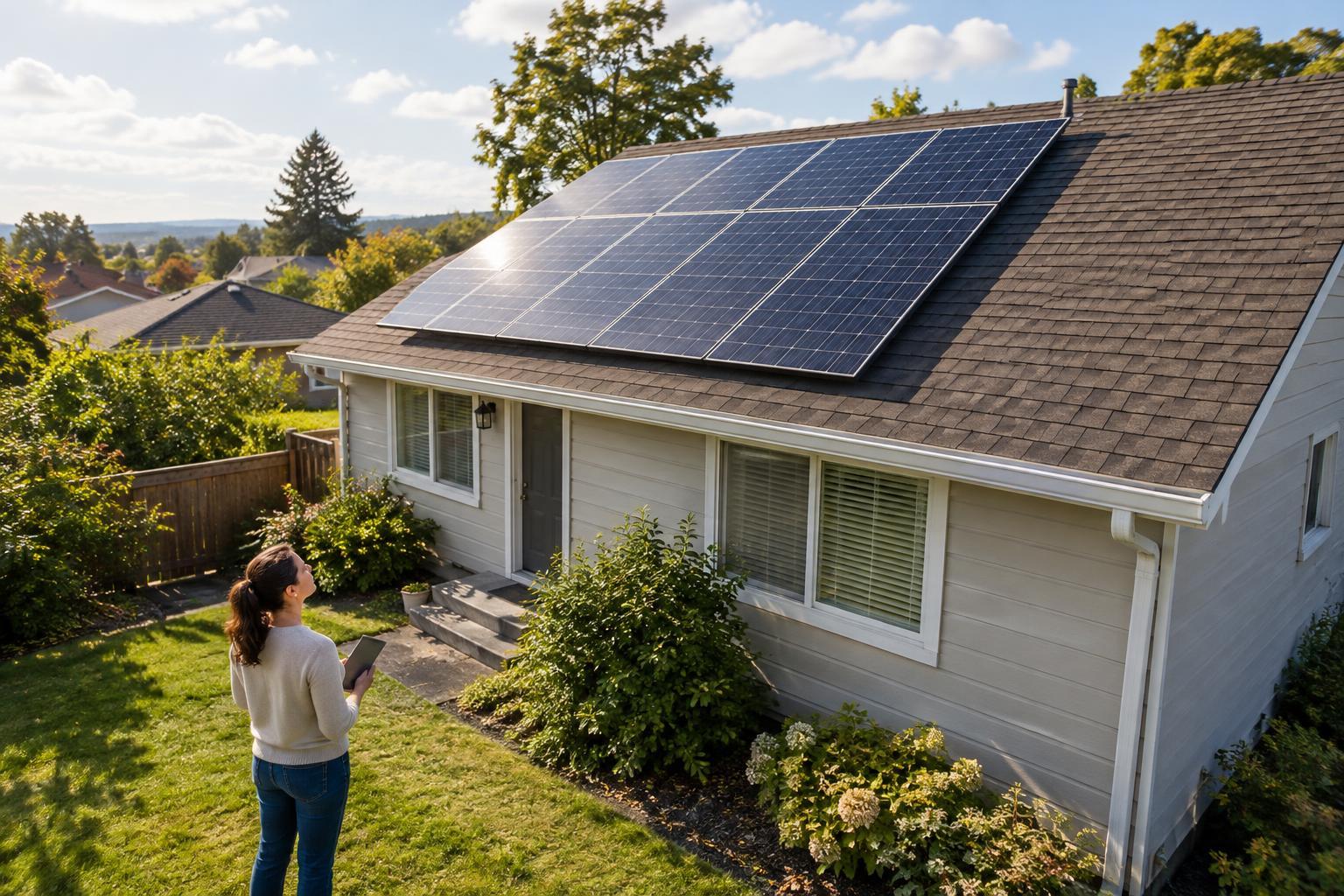
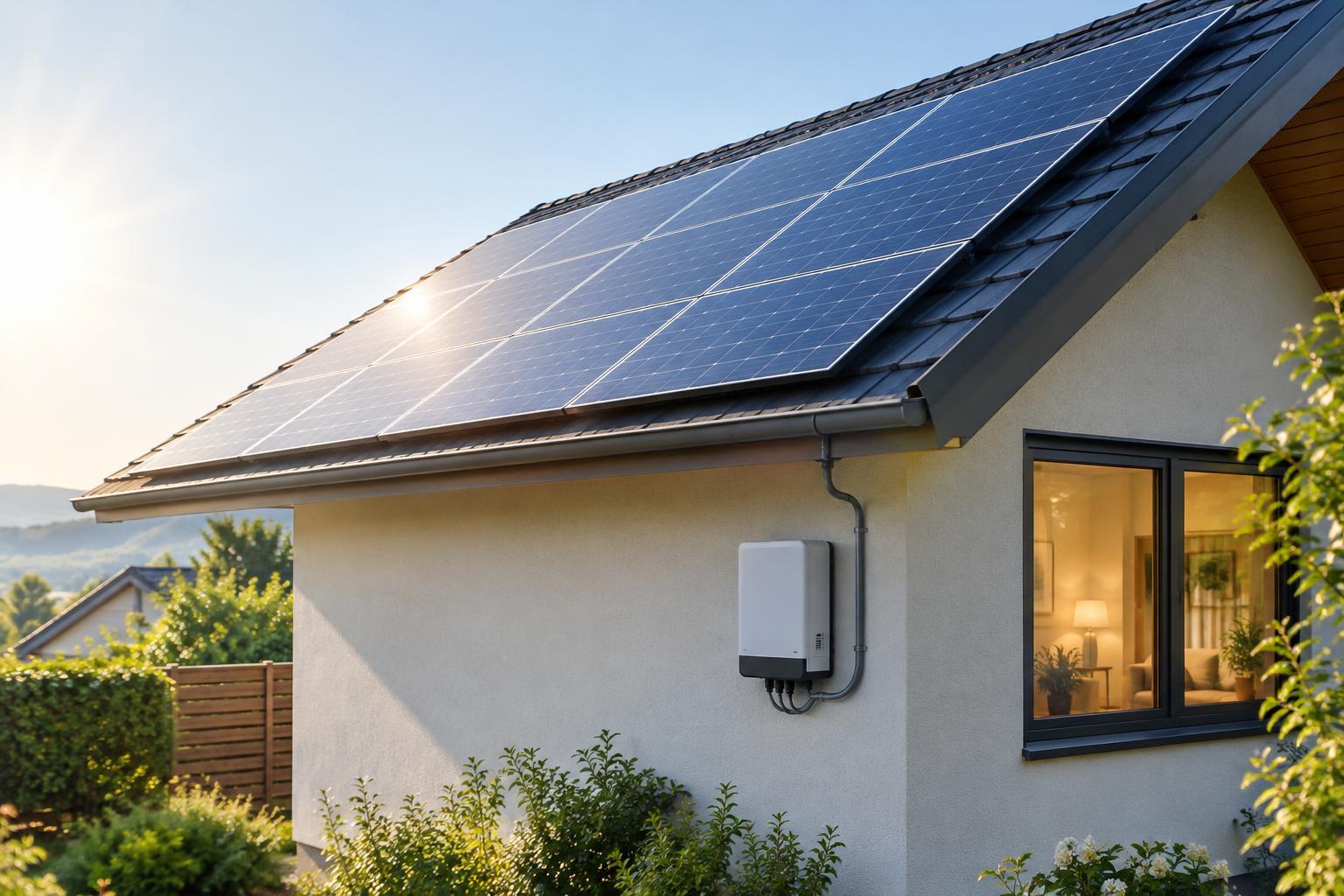
Wind and solar generation can reduce the need to burn fuel for electricity when conditions are favorable. Their output, however, changes with wind, sunlight and cloud cover. That does not mean a grid cannot use them; it means operators must account for variability alongside changing demand. Better forecasts help, but a forecast cannot remove uncertainty entirely.
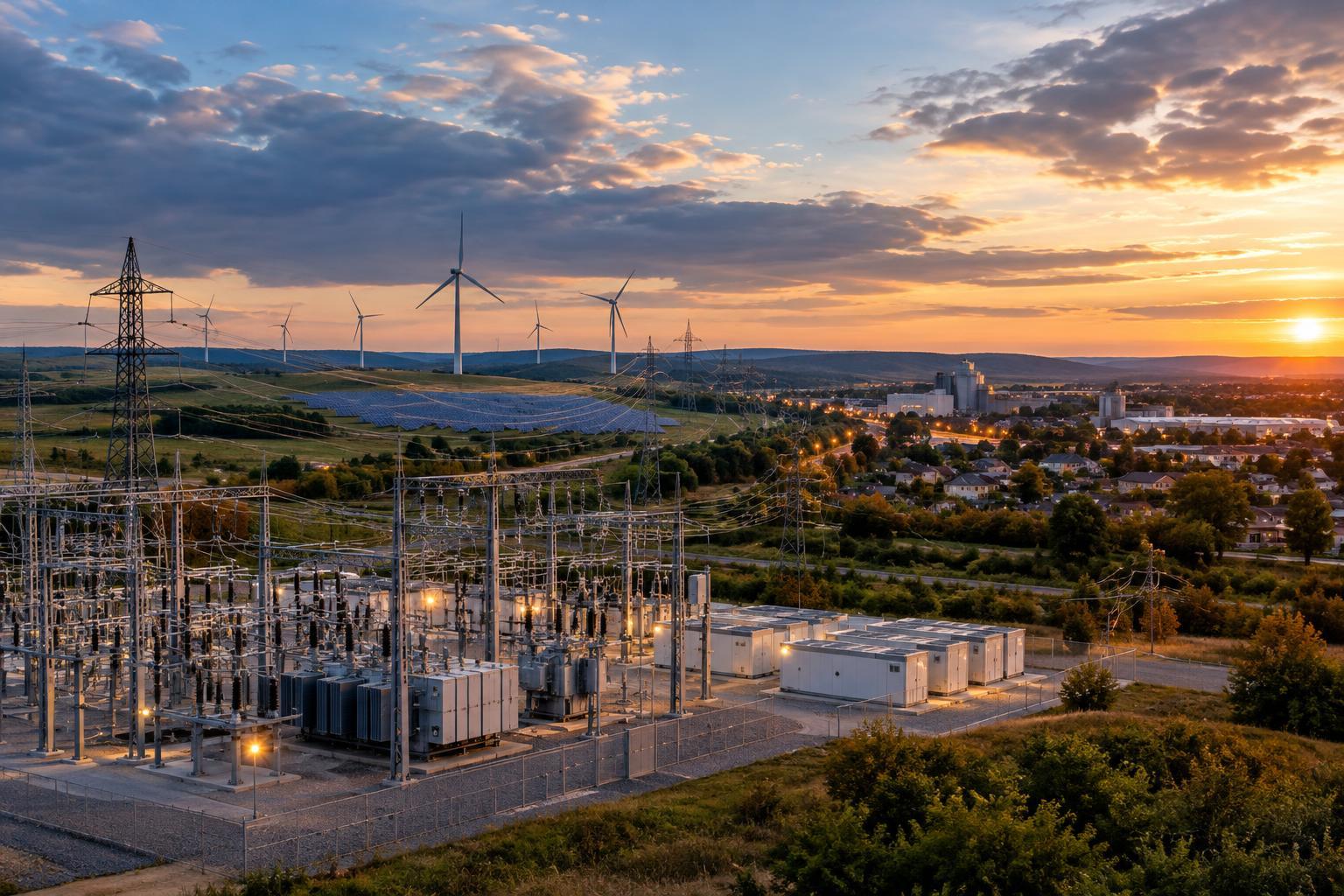
The grid can draw on several forms of flexibility. Power plants may adjust output, batteries may charge or discharge, and transmission lines may move electricity between areas with different conditions. At times, operators may have to reduce available generation because the network cannot carry or use it all. None of these measures is a universal fix: transmission capacity, resource availability and local network limits determine what is practical.
Storage and flexible demand
A battery helps balance the grid by charging when electricity is available and discharging when it is needed. Pumped-storage hydropower serves a similar purpose by moving water uphill and later releasing it through turbines. Storage does not create electricity, and each charge-and-discharge cycle loses some energy. Its value lies in shifting electricity across time and, for some technologies, responding quickly to changes.
Demand can be flexible too. A building may pre-cool before a busy period, an industrial process may shift a suitable task, or an electric vehicle may charge later in the evening. These changes are useful only when they fit the user's needs and the equipment's limits. Managed charging and automated building controls are already used in some settings. Wider participation by household devices depends on clear incentives, compatible equipment and safeguards that leave people in control.
Keeping the lights on is more than balancing totals
Matching total supply and demand does not guarantee that electricity can reach everyone. Power lines and substations have limits, and damage or congestion in one area can cause a local problem even when the wider grid has enough generation. Operators therefore manage both the overall balance and the flow of electricity through particular parts of the network.
The everyday goal is straightforward: produce and deliver electricity at the pace people use it, while keeping enough options available for surprises. Forecasting, responsive generation, storage, flexible demand and strong connections between areas all contribute. Future grids may coordinate more devices, but the basic challenge will remain the same: balancing a changing system without losing sight of where and when electricity is needed.