Start with a baseline
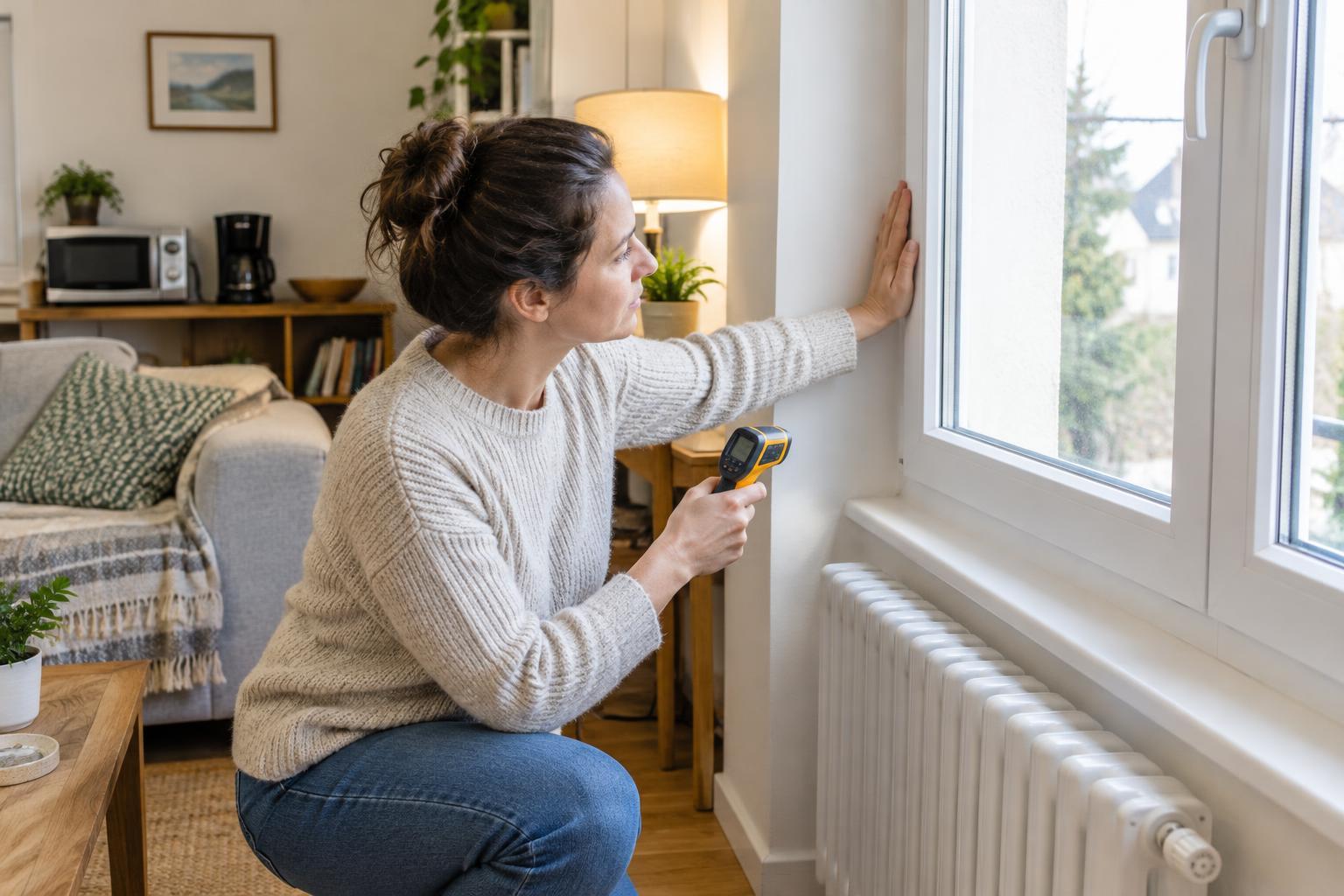
A home energy audit is a structured look at how your home uses energy. You do not need specialist tools to begin: recent utility bills, a notebook and a careful walk-through can reveal useful patterns. A basic audit will not tell you precisely how much energy escapes through each wall or window. It can, however, help you decide what to investigate and which small changes to try first.
Gather several bills if you have them, and note whether your home uses electricity, gas or another fuel for space heating, hot water and cooking. Compare usage rather than cost alone, because prices can change. When usage rises, consider what else changed: weather, time spent at home, a new appliance or a different thermostat schedule. If you can, record a typical reading now so you have a baseline for checking the effect of later changes.
Walk through the home and look for drafts
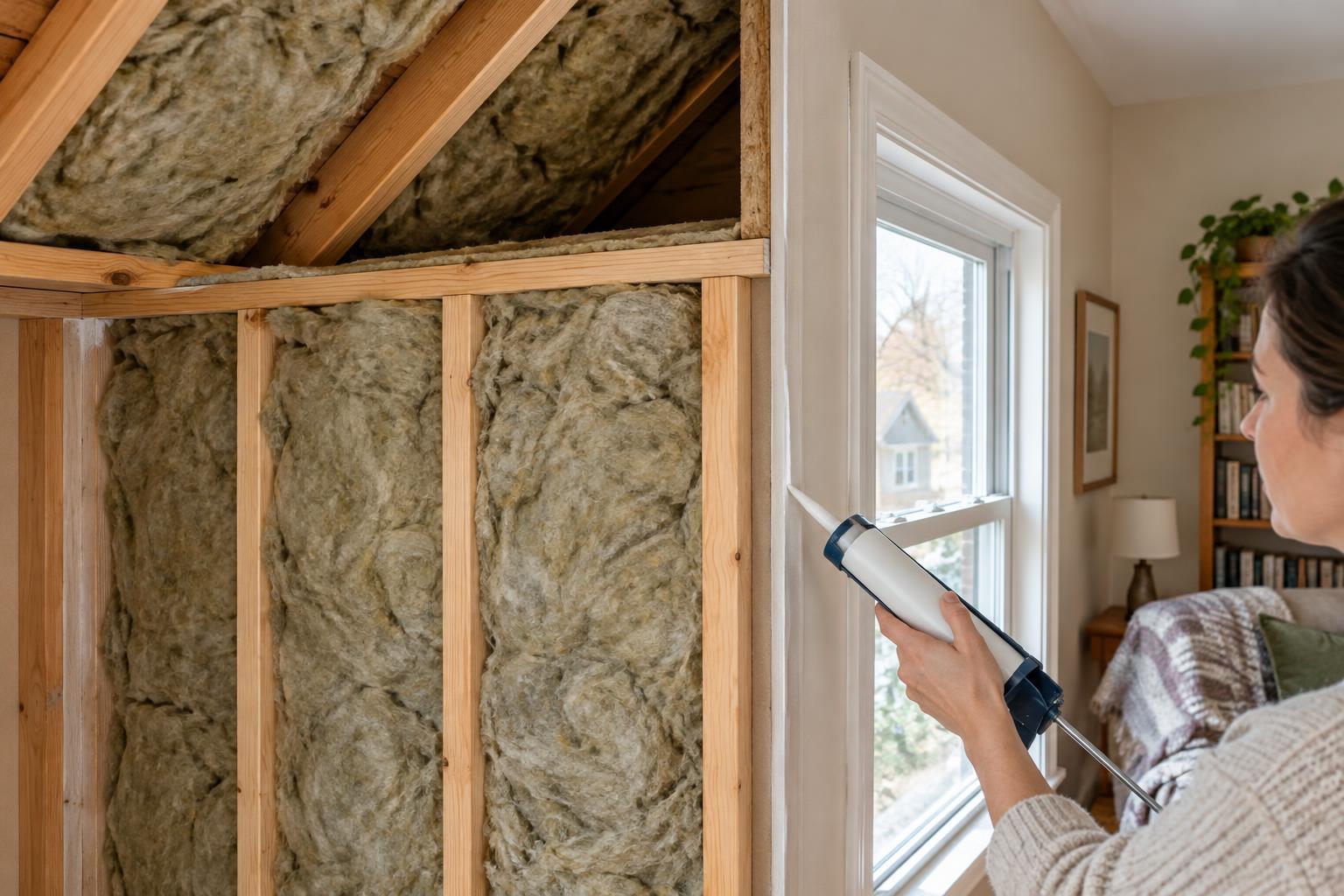
Visit each room and note places that feel unusually cold or warm, especially near exterior doors, windows and access points to an attic or crawl space. Check whether doors close fully and whether weatherstripping is worn or missing. On a windy day, you may be able to feel moving air around frames or other gaps. Curtains moving near a closed window can be another clue, though it does not identify the exact source.
Look without taking apart walls or fixtures. Visible gaps around pipes or cables that pass through an exterior wall may be worth addressing with a material suited to that location. Do not block vents or openings that serve heating equipment or provide required ventilation. If you notice persistent dampness, mold, or a strong draft near combustion equipment, pause the DIY assessment and seek qualified help. Sealing a home without considering ventilation can create problems of its own.
Check heating, cooling and hot water
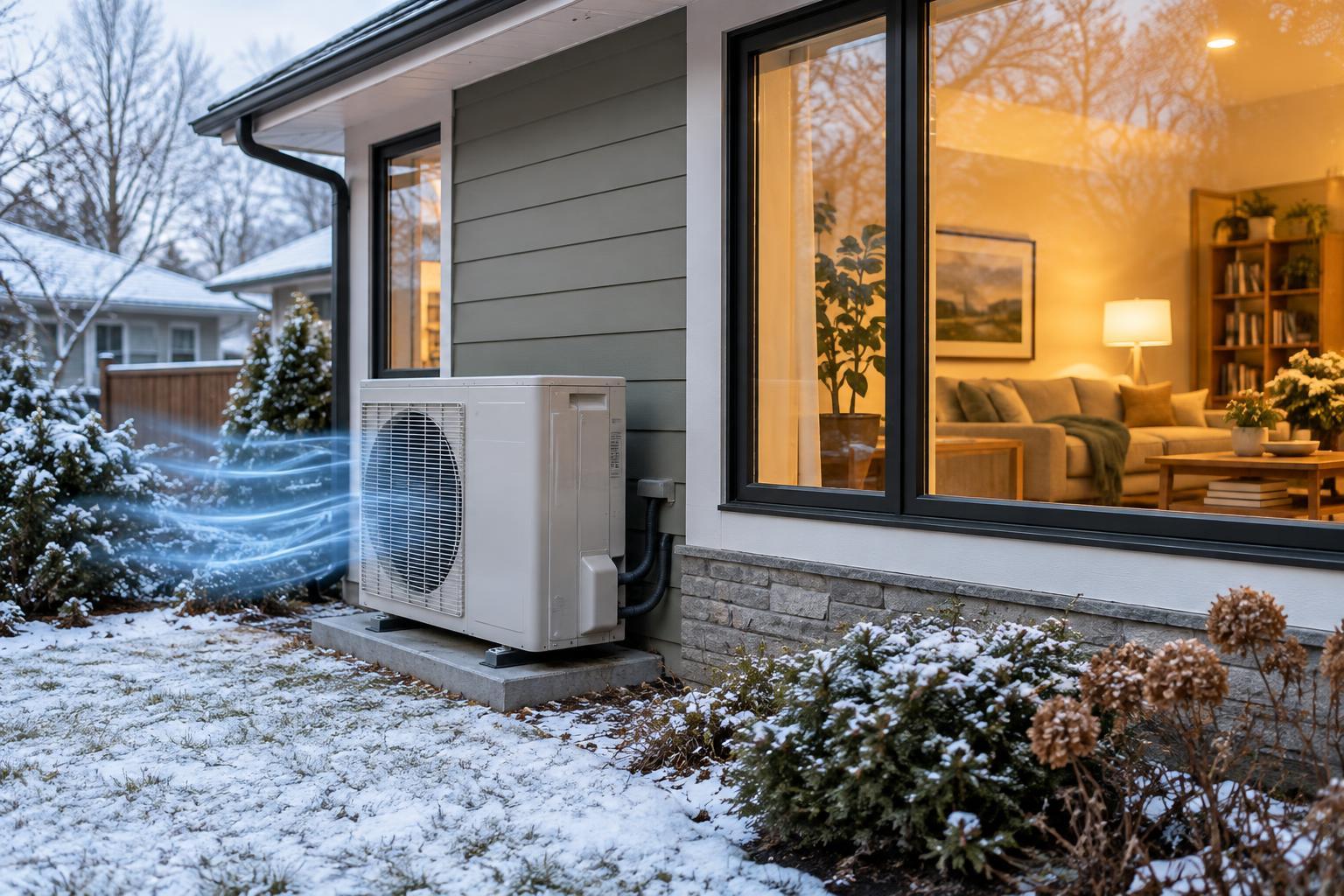
Heating and cooling systems deserve attention because their settings and upkeep can affect energy use. Check that supply and return vents are not obstructed by furniture, and follow the equipment maker’s guidance for cleaning or replacing filters. Review thermostat schedules against when people are actually home and asleep. A setting that heats or cools an empty room for hours may be an opportunity to adjust the schedule, provided the change remains comfortable and appropriate for the building.
Next, look at hot-water habits and accessible equipment. Note dripping hot-water taps, long waits for hot water and pipes that appear uninsulated in unheated spaces. You can also check whether showers, laundry and dishwashing routines offer easy ways to use less hot water. Avoid opening heating equipment, adjusting unfamiliar controls or working on gas, refrigerant or electrical components yourself. A basic audit should identify questions for a qualified professional, not replace one.
Review lighting, appliances and everyday habits
List the lights and devices used most often, along with anything that stays on when nobody needs it. An older bulb in a frequently used fixture may be a more useful replacement target than one switched on only occasionally. For plug-in devices, check available power-saving settings and whether a television, game console or computer remains active when you think it is off. A plug-in energy monitor, used according to its instructions, can help compare suitable devices, but it is optional.
Pay attention to how appliances are used as well as what type they are. Running appropriate full loads, keeping refrigerator doors closed and using built-in energy-saving modes may reduce waste without requiring a purchase. Do not assume that replacing every working device is the best first step: the energy used to run it, its condition and how often you use it all matter. Record observations rather than relying on a vague impression that an appliance is “inefficient.”
Turn observations into a sensible plan
Group your findings into three lists: changes you can make now, repairs or upgrades to consider, and issues that need expert assessment. Simple actions might include correcting a thermostat schedule, clearing a blocked vent or replacing worn weatherstripping where it is safe to do so. Larger projects, such as insulation work or equipment replacement, benefit from a closer look at the home’s construction and ventilation needs. If you rent, share relevant findings with the property owner before making alterations.
Choose a few actions, note when you make them and compare later usage with a reasonably similar period if possible. Weather and household routines can obscure the result, so treat any apparent saving as a clue rather than proof. The value of a basic audit is not a perfect score: it is a clearer picture of your home, a record of what you have checked and a practical order for what to do next.