Start with the whole journey
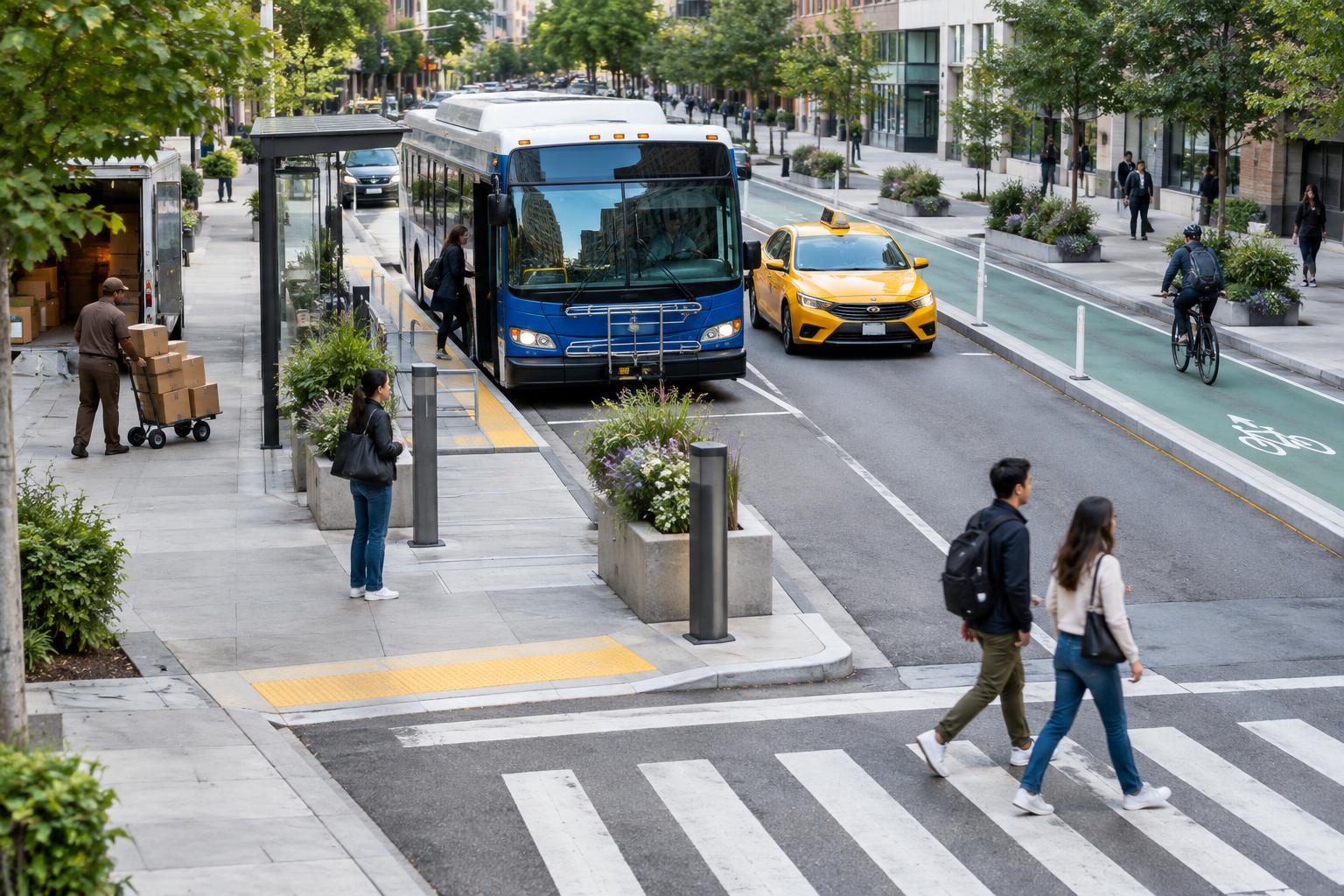
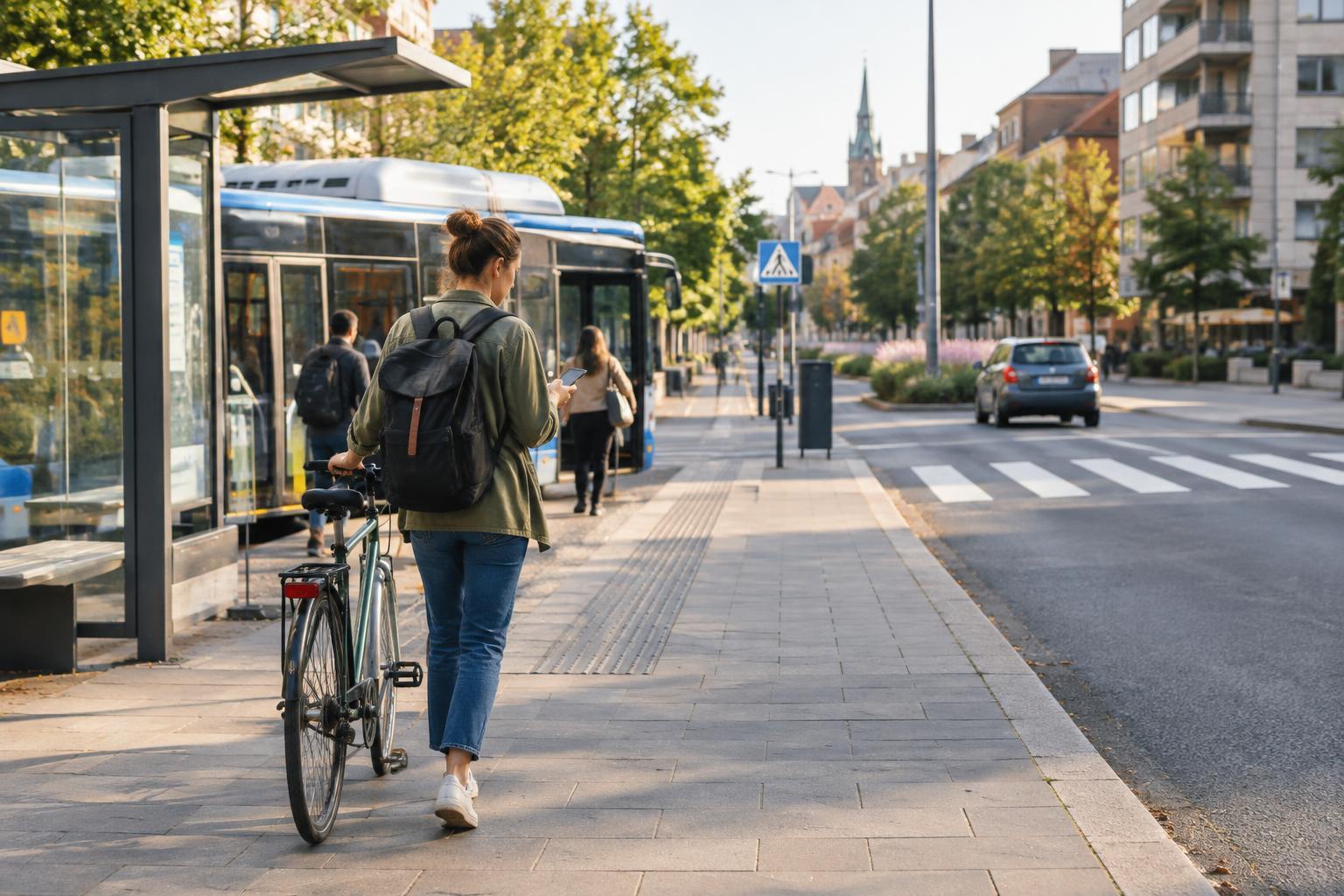
A multimodal trip uses more than one way of travelling to reach a destination. You might walk to a train station, take a train across town and use a bus for the final stretch. Combining modes can help you avoid a difficult parking spot, reach a place beyond a transit line or choose a route that suits different parts of the journey.
Begin with your actual starting point and final address, not just the stations between them. Note when you need to arrive, how much you will carry and whether stairs, long walks or cycling are practical for you and your companions. Check opening hours at the destination if they matter. These details can change which route is useful: the fastest train is little help if its station leaves you with an awkward final mile.
Compare routes by more than travel time
A journey planner can suggest combinations of walking, public transit, cycling, driving or shared transport. Use its suggestions as options to inspect, rather than treating the first result as a complete plan. Compare the door-to-door duration, number of transfers, total walking distance and time spent waiting. A route with fewer changes may feel easier even if its scheduled arrival is slightly later.
Check the costs that may not appear in a single route estimate. These can include parking, separate transit tickets or the price of a shared bike. If you plan to drive to a station, confirm that parking is permitted when you need it and consider how you will collect the car afterward. For a bicycle, check where it can be parked and whether it is allowed on any train or bus you intend to use. Rules can vary by operator and service.
Make each transfer realistic
A transfer is more than the gap between two departure times. You may need to leave a platform, cross a street, find the right stop or wait for a lift. Look at the station layout and stop locations when possible, especially at unfamiliar interchanges. If a route requires a quick change between services run by different operators, allow extra time rather than assuming they will coordinate.
Pay particular attention to services that run infrequently. Missing a frequent bus may cause a short delay; missing the last bus of the evening can change the rest of the trip. Build a buffer around appointments and around connections with limited alternatives. If step-free access is essential, verify the relevant entrances, platforms and vehicles through the operator’s available information. A map showing a station nearby does not, by itself, confirm that the transfer will work for everyone.
Check tickets and prepare for the last mile
Before setting out, find out whether one ticket covers the whole journey or whether each leg needs its own fare. Check whether a ticket is tied to a particular service and whether you need to validate it before boarding. Keep any booking details somewhere you can reach without a mobile connection. It also helps to know which stop to use on the return trip; it may be on the opposite side of the road.
Plan the final stretch as carefully as the main ride. A destination that looks close to a station on a map may involve a steep path, an indirect crossing or an entrance on another side of a large site. If you intend to use a shared bike or car for that stretch, check the permitted pickup and drop-off areas. Availability can change, so identify a walking, transit or taxi alternative if that part of the plan is important.
Leave room to adapt
On the day, check for service changes and weather conditions before you leave, then keep the key parts of your route handy: service names, stops, transfer points and your destination address. Downloading a map or saving written directions can help if your battery runs low or reception is poor. If a leg is disrupted, focus first on reaching the next useful connection point rather than trying to recreate the original route exactly.
Digital journey planners and live service updates are established tools, but their estimates cannot guarantee a smooth connection or an available shared vehicle. More integrated services that could combine planning, booking and payment across many modes are a possible direction for transport design, not something to assume every area offers today. For now, the most dependable multimodal plan is one you understand well enough to adjust: a workable main route, realistic transfer time and at least one alternative for the trickiest leg.