Power is a rate; energy is an amount
Kilowatts (kW) and kilowatt-hours (kWh) often appear beside each other, but they answer different questions. A kilowatt measures power: how quickly a device uses energy or a source supplies it at a given moment. A kilowatt-hour measures energy: the total amount used or supplied over a period of time.
Think of water flowing from a tap. The flow rate tells you how quickly water is coming out; the amount collected in a bucket tells you how much arrived altogether. Power is like the flow rate, while energy is like the amount in the bucket. One kilowatt equals 1,000 watts. One kilowatt-hour is the energy used by a device drawing one kilowatt steadily for one hour.
The basic relationship is simple: energy in kWh equals average power in kW multiplied by time in hours. A device drawing 2 kW for half an hour uses 1 kWh. The same device running for two hours uses 4 kWh. The word “average” matters because many devices do not draw the same power continuously.
Reading numbers on everyday devices
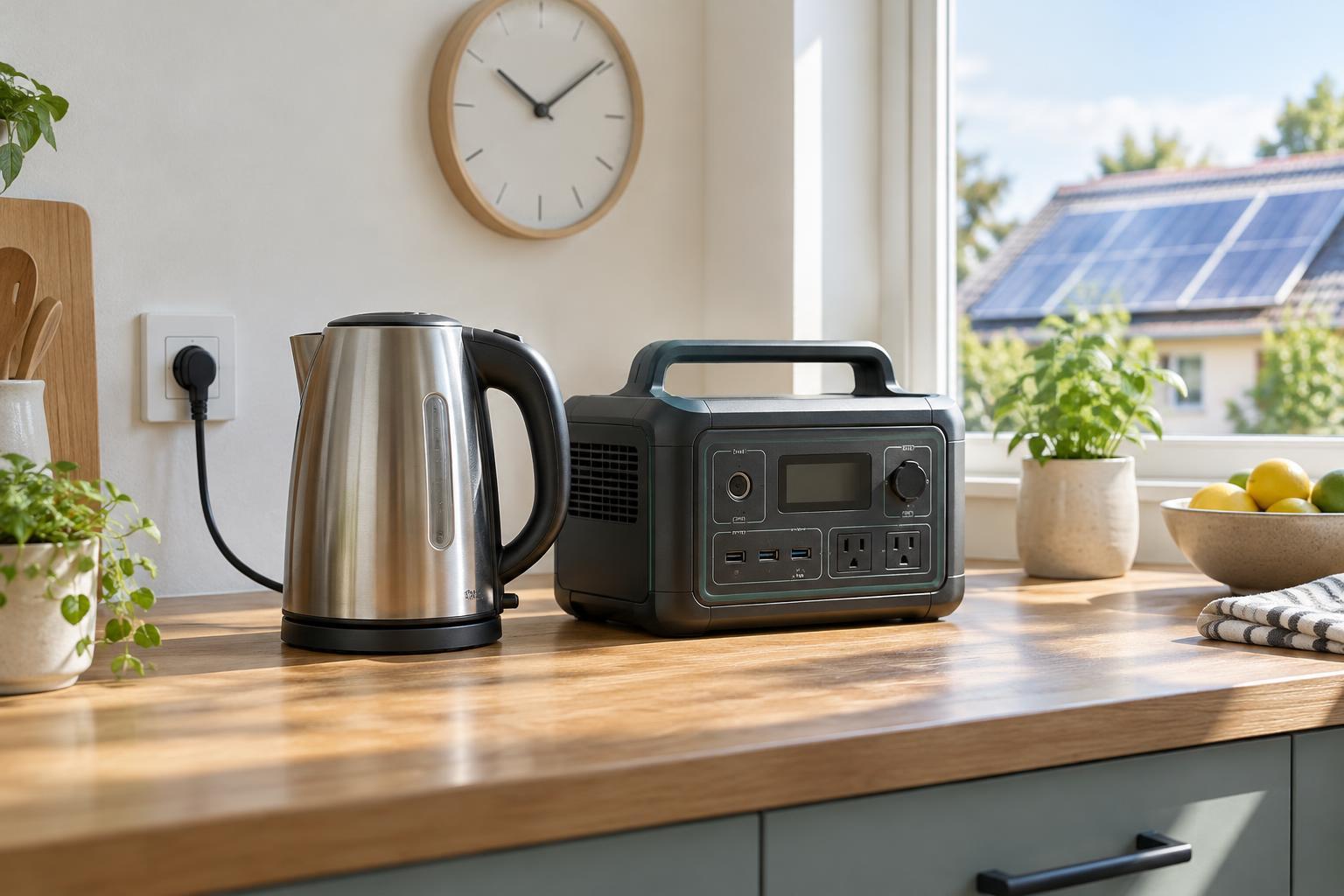
An appliance’s watt or kilowatt rating can help you estimate its energy use, but a rating is not always a prediction of what will happen in your home. A 1,500-watt space heater draws about 1.5 kW when its heating element is on. If that element stays on for two hours, it uses about 3 kWh. If a thermostat switches it off for part of that time, the total will be lower.
Some devices change their power use as they work. A washing machine may draw more power while heating water than while turning the drum. A refrigerator’s compressor cycles on and off. For these devices, multiplying a single power figure by every hour they are plugged in can give a misleading result. A measured kWh figure over a typical cycle or day is more useful when available.
The same distinction helps with smaller electronics. A charger labelled with a maximum output shows what it can deliver under suitable conditions, not what it draws every minute or how much energy a phone battery stores. To estimate energy use, you need both the power actually drawn and the length of time it is drawn.
What your electricity bill measures
For most households, electricity use on a bill is expressed in kWh. A meter tracks energy over time, rather than simply recording the highest power level reached. If one activity uses 1 kW for three hours and another uses 3 kW for one hour, each adds 3 kWh to the total. They place different demands on the electrical system at a particular moment, even though their energy totals match.
This is why both numbers can be useful. Kilowatts help describe whether several appliances can run at once on a circuit or how much power a charger can deliver. Kilowatt-hours help describe cumulative use. The cost of a given number of kWh depends on the applicable tariff and any other charges, so a power rating alone cannot tell you the cost of running something.
Batteries and chargers: capacity is not speed
Battery capacity is commonly stated in kWh because it describes an amount of stored energy. Charging power is stated in kW because it describes a rate. For example, transferring 10 kWh at a steady 2 kW would take five hours in an idealized calculation. In practice, charging losses and changes in charging power mean the actual time can be longer.
A charger’s advertised kW figure is generally a maximum, not a promise that it will operate at that rate throughout a session. The device, the battery’s state of charge and operating conditions can all affect the power accepted. Likewise, a battery’s stated capacity may differ from the energy available for use, depending on how the product defines and manages its capacity. When comparing products, check what each number refers to rather than treating capacity and charging power as interchangeable.
Solar ratings and a quick way to check any claim
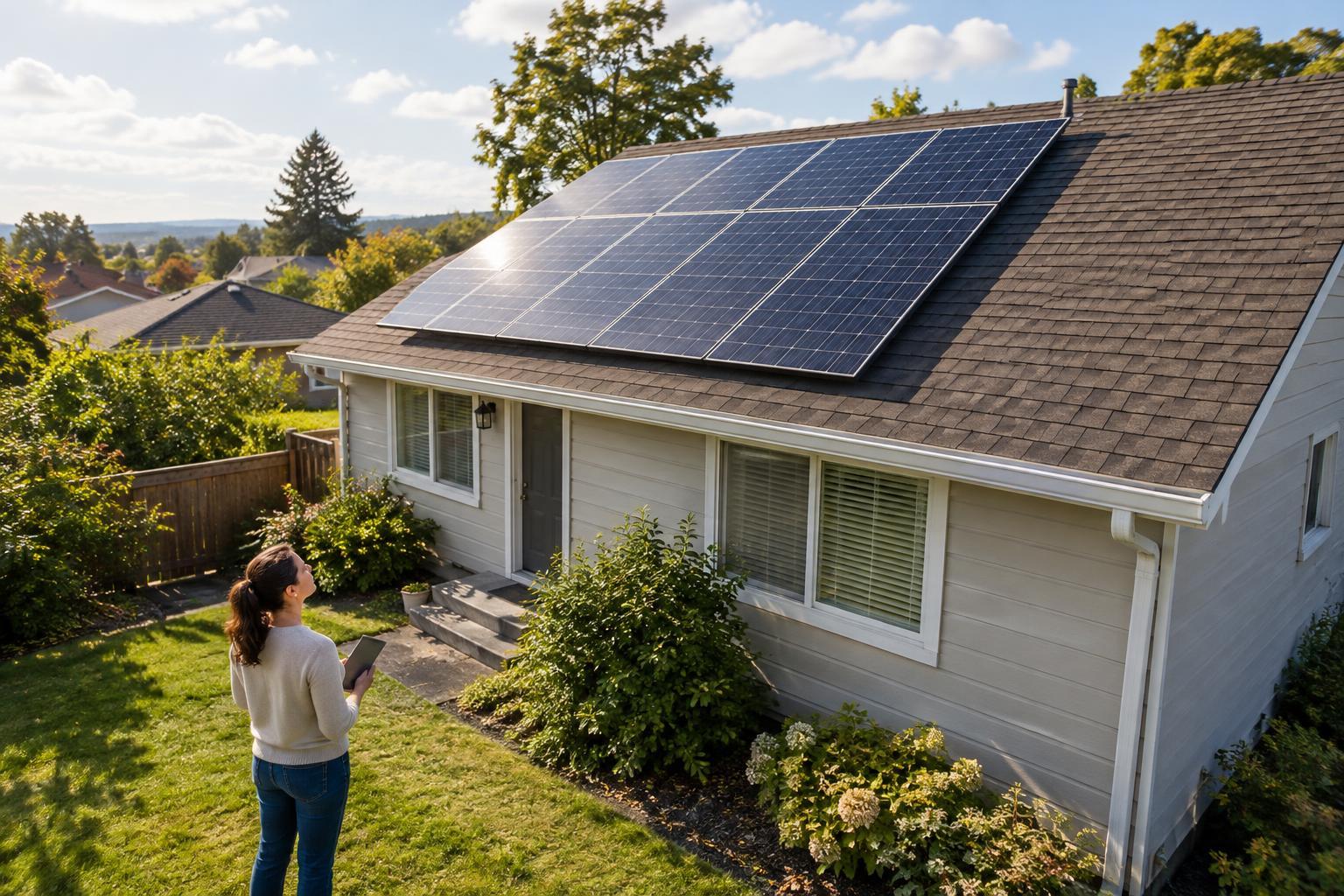
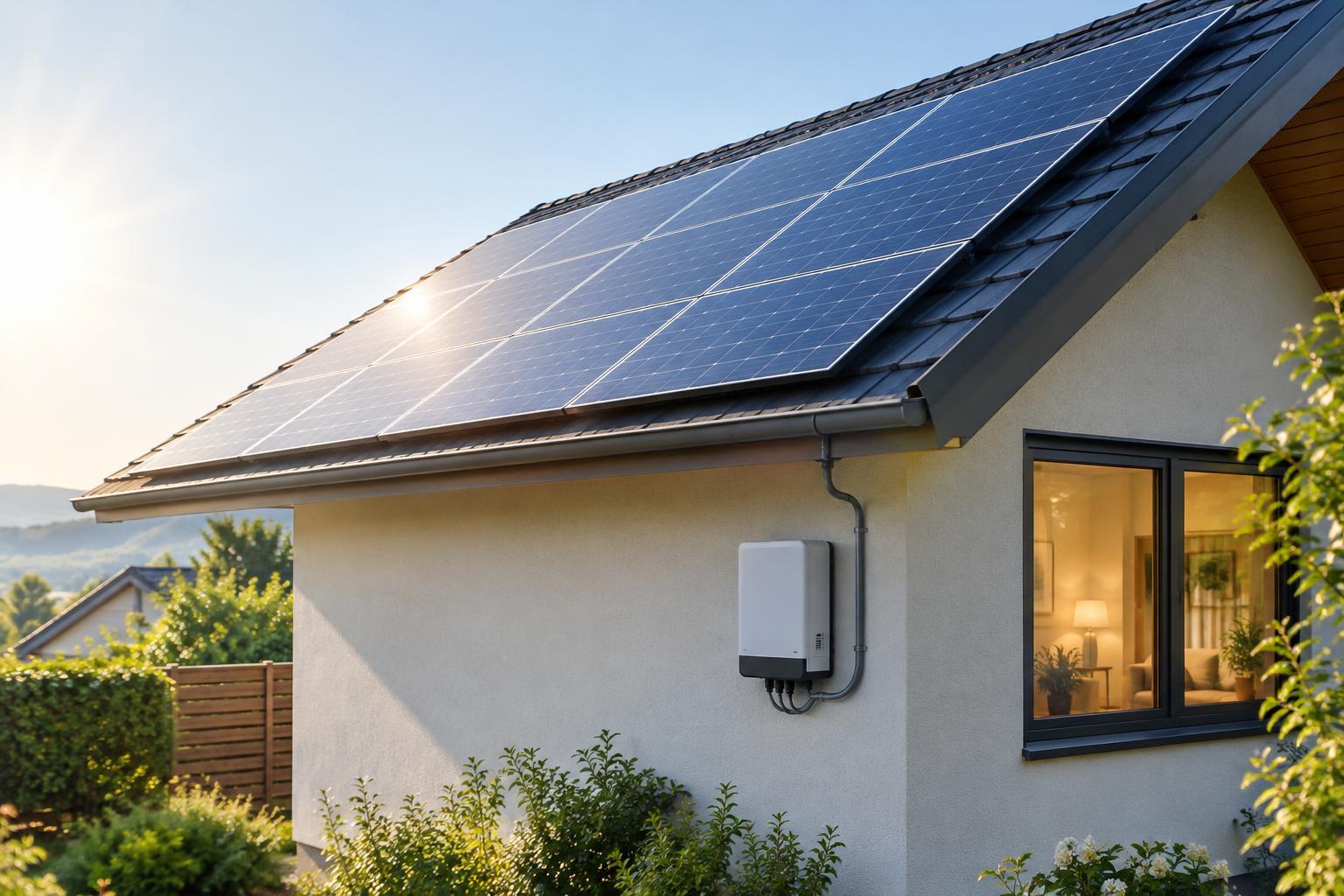
A solar installation may be described by its rated power in kW, while its production over a day or month is measured in kWh. A 4 kW rating does not mean the system produces 4 kWh every hour. Output varies with sunlight, orientation, shading and other conditions. The rating describes a possible rate under specified conditions; the kWh figure describes energy actually produced over time.
When you encounter an energy number, ask two questions: “Is this a rate or a total?” and “Over what period was it measured?” kW is a rate of energy use or supply; kWh is a quantity of energy. If you know average kW and hours, you can estimate kWh. If you know kWh and hours, you can calculate average kW. Keeping that distinction in mind makes labels, bills and technology claims much easier to interpret.