Why divide emissions into scopes?
Imagine a company that designs and sells electric bikes. It uses electricity in an assembly workshop, runs a delivery van and buys batteries from a supplier. Customers then charge the bikes at home. All of these activities can be associated with greenhouse gas emissions, but they do not happen in the same place or under the same degree of company control.
Emissions accounting sorts them into three scopes. Scope 1 covers direct emissions from sources the company owns or controls. Scope 2 covers emissions from producing energy the company purchases and uses. Scope 3 covers other indirect emissions along its value chain. Companies commonly express their totals as carbon dioxide equivalent, or CO2e, so different greenhouse gases can be presented in a common unit. The scopes help show where emissions arise; they do not, by themselves, show whether a product is environmentally preferable to another.
Scope 1: Emissions from the company’s own operations
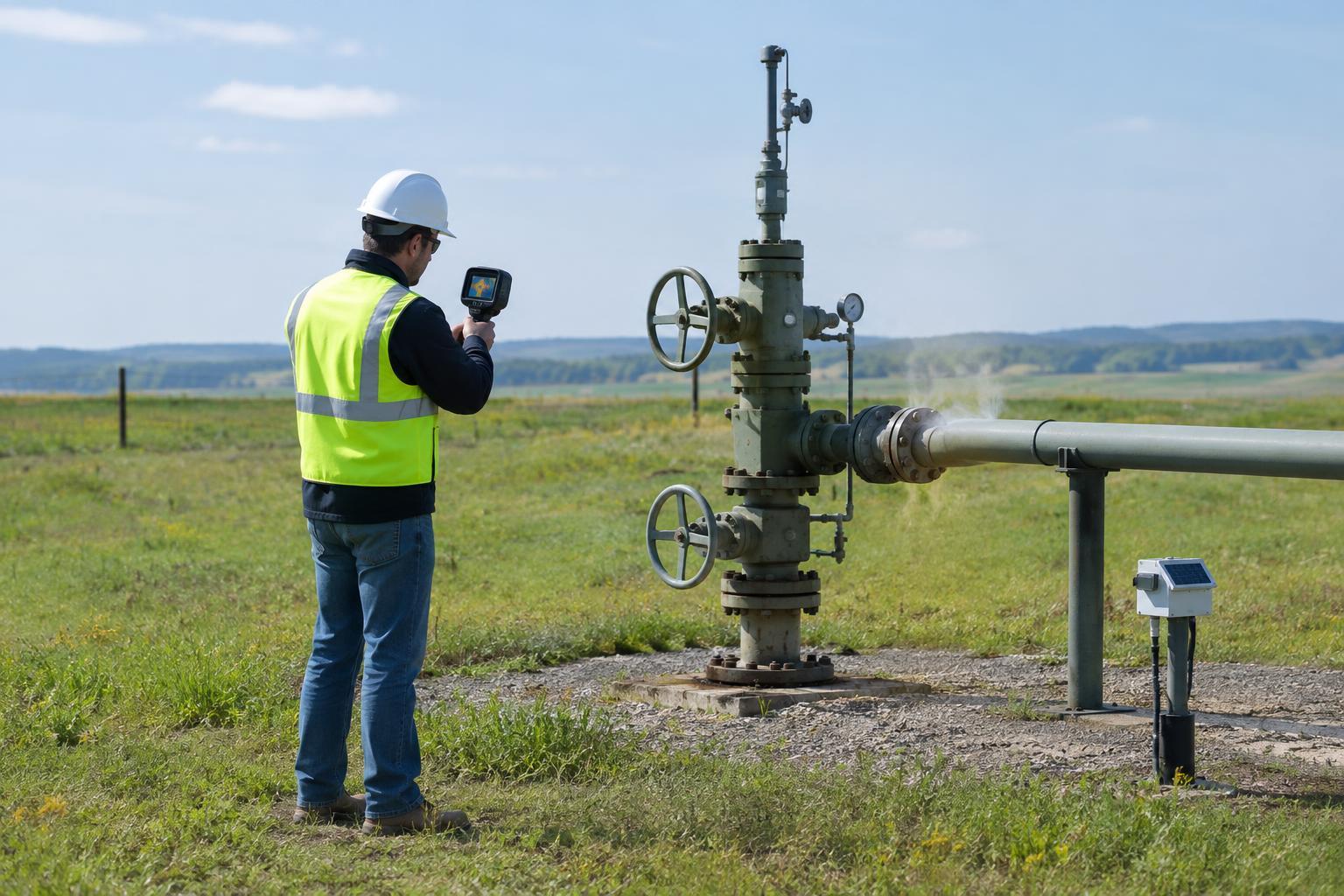
For the bike company, fuel burned in its own delivery van is Scope 1. So is fuel burned in a boiler it operates to heat the workshop. If a business uses refrigerants in equipment it owns or controls, leaks can also contribute to its direct emissions.
The useful question is: Does the company own or control the source releasing the greenhouse gas? An employee’s drive to work does not become Scope 1 just because the employee works there. Nor is a supplier’s factory automatically part of the bike company’s direct emissions. Defining which facilities and vehicles are inside the company’s reporting boundary is therefore an important first step.
Scope 2: Emissions from purchased energy
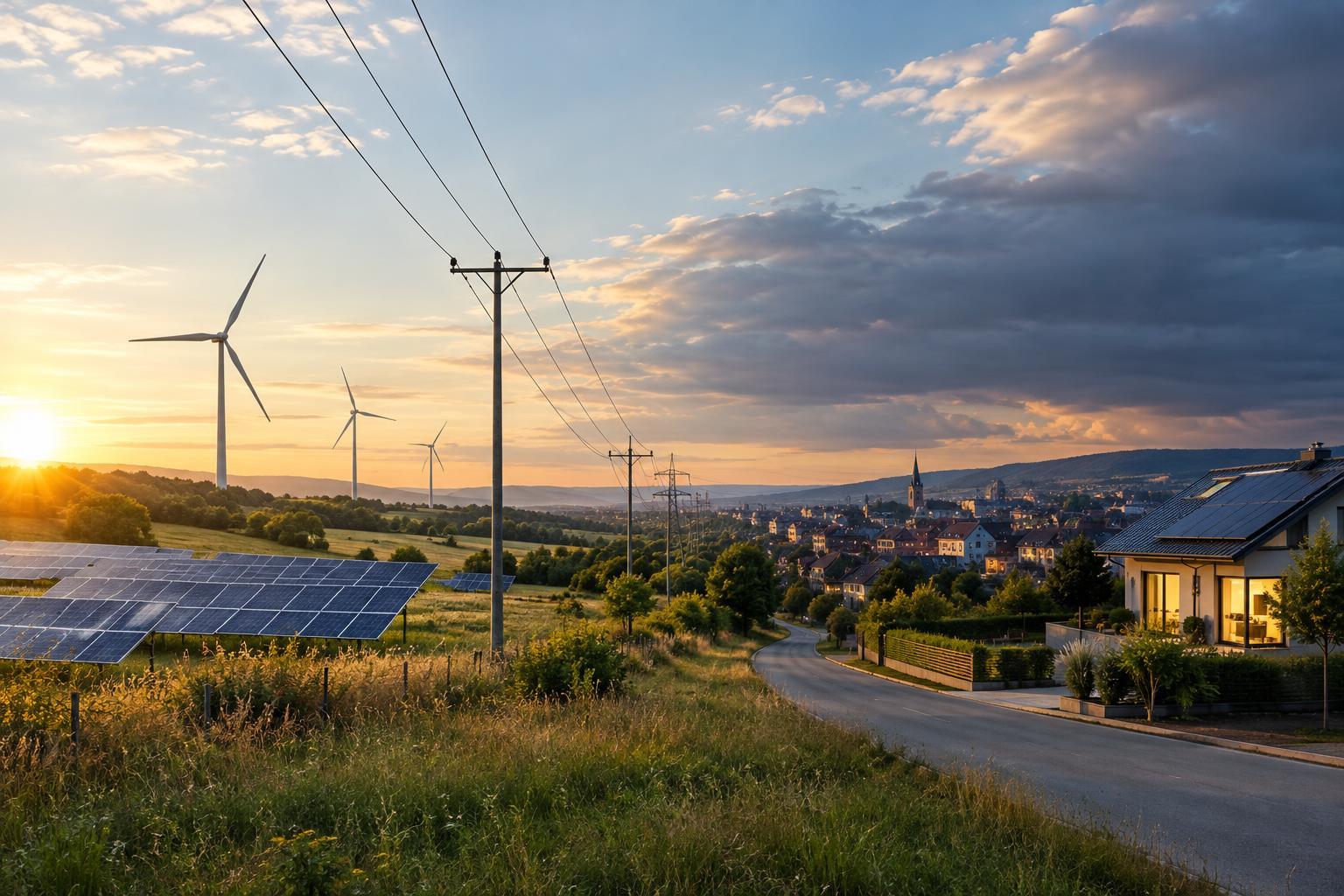
The electricity powering the bike company’s assembly workshop is an example of Scope 2. The emissions may occur at a power plant rather than at the workshop, but they are associated with energy the company buys and consumes. Purchased heating, cooling or steam can fall into this scope too.
A workshop can reduce its electricity use by improving lighting or equipment efficiency. Its reported Scope 2 figure may also depend on how the electricity supplied to it is accounted for. Some reporting approaches reflect the average emissions of the local grid, while others consider qualifying electricity purchases or contracts. That distinction matters when comparing figures: a smaller reported total does not necessarily mean the workshop used less energy.
Scope 3: Emissions across the wider value chain
Scope 3 includes indirect emissions outside purchased energy, both before and after a product reaches the company. For the bike maker, producing purchased batteries and frames can fall here, as can transport provided by an outside freight company. After a bike is sold, electricity used by customers to charge it may be counted under the use of sold products. What belongs in a particular category depends on the activity and the reporting boundary.
Scope 3 can be difficult to estimate because a company may not have direct measurements from every supplier or customer. It might use supplier-provided figures for some materials and reasonable estimates for others, documenting the assumptions behind them. An estimate can still be useful for identifying where to ask better questions or work with partners, but it should not be mistaken for a precise measurement of every journey, factory process or charging session.
How to read the numbers without being misled
When comparing emissions reports, first check what is included. Does the company cover its full business or only selected operations? Which Scope 3 categories does it report, and what assumptions does it use? A total that excludes major suppliers or product use tells a different story from one that includes them. It also helps to look at both the total emissions and any figure given per product or unit of activity, since either can change while the other moves in the opposite direction.
The same emissions can appear in different companies’ accounts. A battery supplier may record fuel burned at its factory as Scope 1, while the bike maker may include emissions associated with buying that battery in Scope 3. This is not necessarily an error: each company is describing its relationship to the activity. The three scopes are most useful as a map for action—showing what a company can change directly, what it can influence through energy purchasing, and where cooperation across its value chain may be needed.