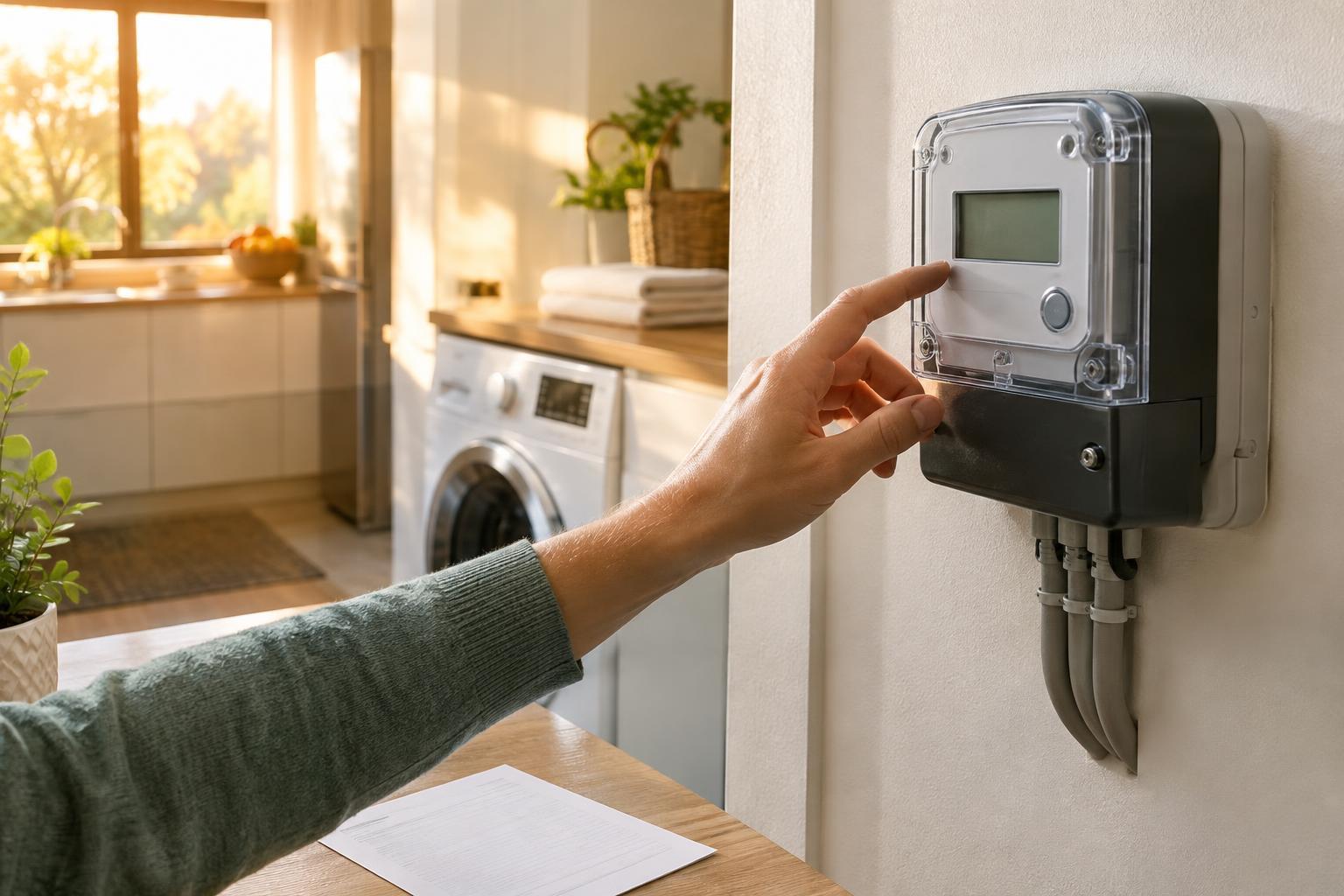
A meter and a rate plan do different jobs
A smart meter records electricity use in shorter intervals than a traditional meter that is read periodically. It can usually send those readings to a utility or supplier without a visit to the home. This makes it possible to show not just how much electricity a household used over a billing period, but roughly when it used it. The detail available to customers varies by provider: an online account might show daily use, hourly use or another interval.
A time-of-use rate is a pricing plan, not a feature of the meter itself. Under this type of plan, each unit of electricity can have a different price depending on the time it is used. A smart meter can provide the readings needed to apply those prices, but having one installed does not necessarily mean a household is on a time-of-use plan. The terms of the account determine the rate.
Why the same amount of electricity can cost more or less
On a simple flat-rate plan, the price per unit of electricity is generally the same throughout the day, although other charges may apply. A time-of-use plan divides the day into price periods. Electricity might cost more during a weekday evening peak and less overnight, for example. The actual hours, prices, weekends and seasonal rules depend on the plan. Some plans also distinguish between a moderate-price shoulder period and a higher-price peak.
Consider two households that each use one unit of electricity to run an appliance. If one uses it during an off-peak period and the other during a peak period, their energy charges for that unit can differ. The meter measures the timing; the plan supplies the price. This is why a bill may change even when total consumption stays about the same.
The per-unit price is only part of a bill. Standing or fixed charges, taxes and other plan-specific items may remain even if a household shifts most of its use to cheaper hours. A higher peak price can also outweigh savings made at other times. Looking at the full bill, rather than a single advertised off-peak price, gives a clearer picture.
Finding the flexible parts of household use
Time-of-use pricing matters most when a household can move some electricity use without making daily life difficult. A dishwasher or clothes washer with a delay timer may be able to run after a peak period. An electric vehicle may have a charging schedule that keeps most charging in lower-price hours. If a home has electric heating or cooling, modest changes to when it heats or cools might also affect costs, though comfort and the home's ability to retain heat or cool air matter.
Not every task should be moved. Cooking dinner, lighting a room and running essential equipment often need to happen when they are needed. Avoid running appliances in ways that conflict with their safety instructions, and do not leave a device operating unattended merely to reach a cheaper period. The useful question is not whether every unit can move, but whether enough flexible use can move to make the plan worthwhile.
How to read a time-of-use bill
Start with the plan's schedule. Check which hours count as peak, shoulder or off-peak, whether the schedule changes on weekends or by season, and whether the displayed prices include all applicable charges. Then compare the electricity used in each period with the corresponding price. A bill or account portal may provide this breakdown; if it does not, the supplier can explain what information is available.
When comparing a time-of-use plan with a flat-rate option, use a representative picture of household use rather than one unusually hot, cold or quiet day. Check fixed charges and any other pricing rules as well. For a household that is regularly away during peak hours, time-of-use pricing may work differently than it does for one that uses several large appliances at those times. Results depend on both the schedule and the household's habits.
A sudden change in a bill is not proof that the meter is wrong. Weather, additional occupants, a new appliance, a changed rate and a longer billing period can all affect the total. Comparing billed usage with past periods and checking the plan details are useful first steps before raising a question with the provider.
What smart meters can—and cannot—do
Interval readings can help a household spot patterns that a monthly total hides, such as an appliance running routinely at an expensive time. Depending on the local system, they may also support faster billing based on measured use and give providers better information about outages. Those benefits do not guarantee a lower bill: a smart meter measures consumption; it does not reduce it.
The more detailed readings also make it reasonable to ask how usage data is stored, shared and displayed. Provider policies and local rules vary, so customers can check their account settings and privacy information for specifics. For most households, the practical starting point is straightforward: confirm the rate plan, identify its expensive hours, and see whether any convenient, safe-to-shift tasks regularly fall within them.