What a sleep tracker actually measures
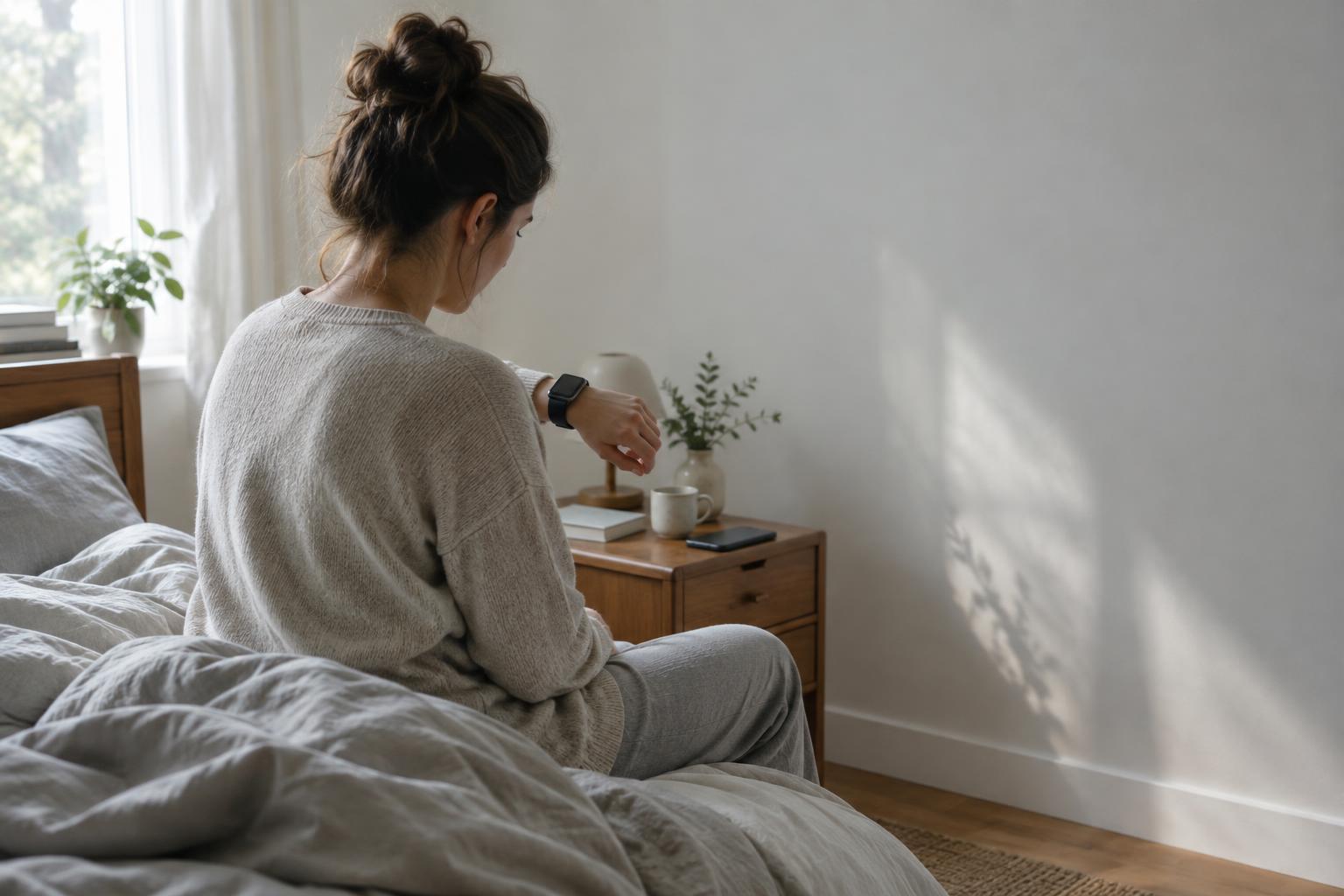
A watch, ring or bedside sensor cannot directly observe the experience of being asleep. Instead, it collects signals that may be associated with sleep and uses software to interpret them. A wearable might measure movement, heart rate and changes in skin temperature. Some devices also collect signals related to breathing or blood oxygen. A phone or bedside device may rely on sound and movement rather than signals from the body.
The app turns those signals into a timeline: an estimated bedtime, wake time, periods of wakefulness and sometimes sleep stages. That timeline is a model of what probably happened, not a recording of sleep itself. Different devices can interpret the same night differently because they use different sensors and rules.
Where the data can be useful
A tracker is often most helpful for noticing broad patterns over time. If you wear it consistently, you may see that your bedtime shifts on weekends, that you spend less time in bed when your schedule gets busy, or that late-night interruptions tend to coincide with shorter nights. These observations can prompt useful questions about your routine.
The context you add matters as much as the chart. A brief note about travel, noise, a late meal or an unusually demanding day can help explain a change in the data. Compare several ordinary nights rather than treating one unusual reading as a verdict. Also distinguish time in bed from time asleep: going to bed earlier does not necessarily mean you slept longer.
Sleep trackers can make a routine easier to observe, but the number on the screen is not the whole outcome. How rested you feel and how your day goes are also worth noticing, even when they do not match the app’s score.
Why sleep stages and scores need caution
Many apps display light, deep and REM sleep as neat blocks of color. Those labels are estimates inferred from indirect signals. A consumer wearable does not measure the brain activity used in a clinical sleep study, so its stage chart should not be read as a precise account of each phase of the night. A still period may look like sleep to a movement-based system; restless sleep may look like wakefulness.
A single sleep score simplifies many inputs into one number. That makes it easy to follow, but it can hide how the result was calculated. One app may emphasize duration, while another may weigh interruptions or changes in heart rate more heavily. A lower score does not, by itself, identify a problem or explain its cause.
Features that flag snoring, breathing changes or possible disturbances have similar limits. They may offer a reason to pay attention, but a consumer alert cannot establish a diagnosis, and an absence of alerts cannot rule one out.
How to use a tracker without chasing perfect numbers
Start with a question the device might reasonably help answer, such as whether your sleep schedule is consistent or whether you are allowing enough time in bed. Look for recurring patterns, then consider small, manageable changes to your routine. If a feature produces confusing results, check whether the device fits as intended and whether its settings match how you use it before drawing conclusions.
It is also reasonable to stop looking at a metric that makes you worry more than it helps you learn. Checking a score first thing in the morning can color your impression of a night you otherwise felt was fine. You can use a tracker for bedtime and wake-time trends while ignoring stage charts, or take a break from tracking altogether.
If sleep difficulties persist or symptoms concern you, describe what you are experiencing to an appropriate healthcare professional. Tracker records may provide background, but your symptoms and circumstances matter more than an app’s interpretation.
Remember the data behind the dashboard
Sleep data can reveal routines, time spent at home and other personal details. Before using a device, look at its privacy settings: what it stores, whether it shares data with other services, and whether you can delete past records. Connected features can be convenient, but they are optional on many products.
The most useful way to think about a sleep tracker is as a pattern-finding tool. It can help you notice when and how your routine changes. It cannot tell you exactly how every minute of sleep unfolded, why you feel tired, or what a particular reading means for your health.