A driving area is part of the system
It is tempting to picture a self-driving vehicle as a machine that can go anywhere a human driver can. In practice, an automated driving system may be designed for a narrower job: traveling on specified roads, at certain speeds, in acceptable weather and lighting. Engineers call this set of permitted circumstances an operational design domain. A vehicle that works within that domain has not necessarily learned how to handle every road outside it.
Imagine a vehicle that regularly travels between a train station and a shopping district. Its route might include familiar intersections, predictable speed limits and places where it can stop safely. A nearby rural road could present a different task, with unmarked edges, limited lighting or unusual junctions. The boundary between the two areas is not simply a line on a map; it represents a change in the conditions the system is expected to manage.
Roads do not all ask the same questions
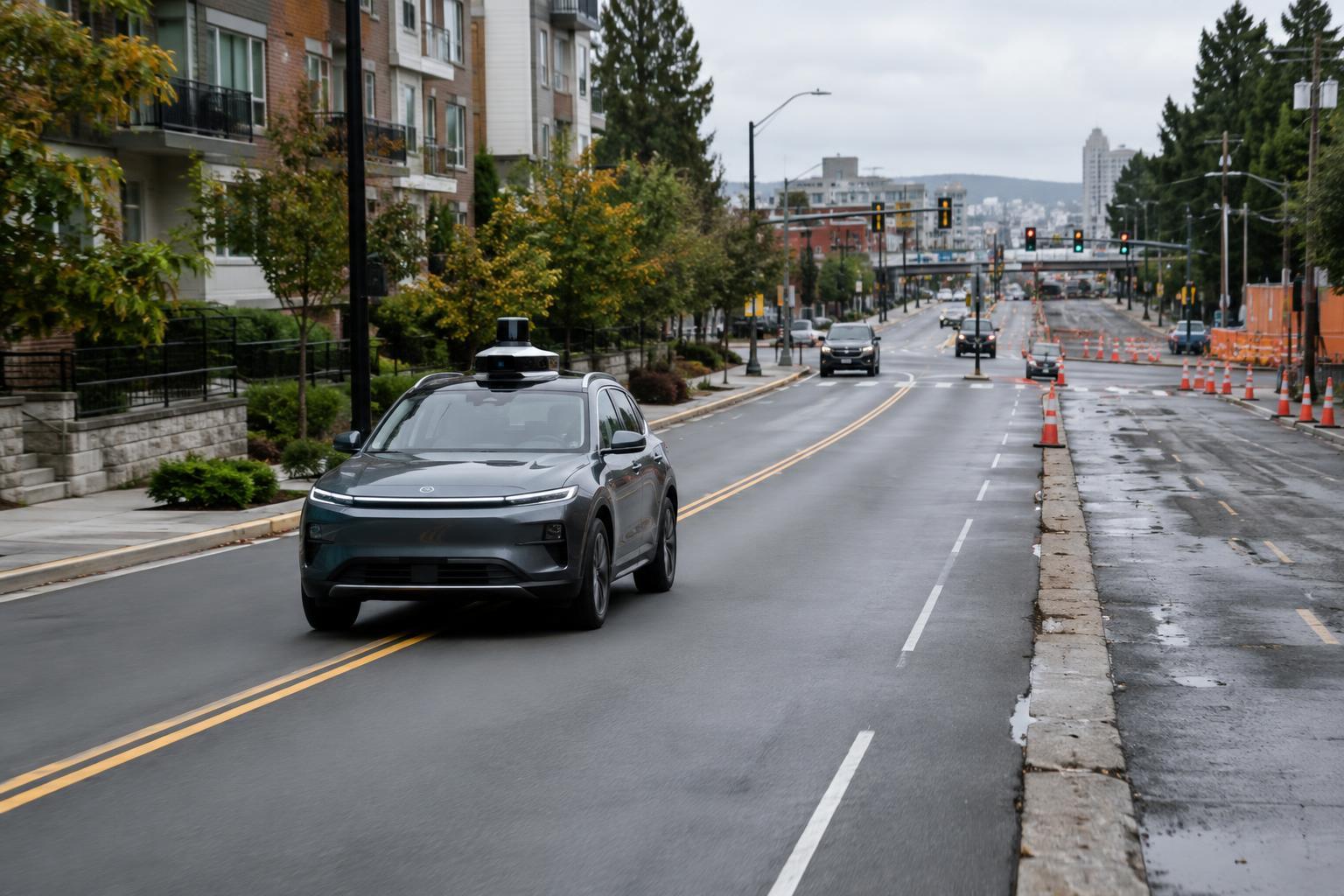
Driving involves more than staying between lane markings. A system must recognize other road users, interpret signals and decide what to do when the usual rules do not fully describe a situation. A wide, well-marked street may be easier to interpret than a narrow road with parked cars on both sides. Construction can temporarily change the layout of either one.
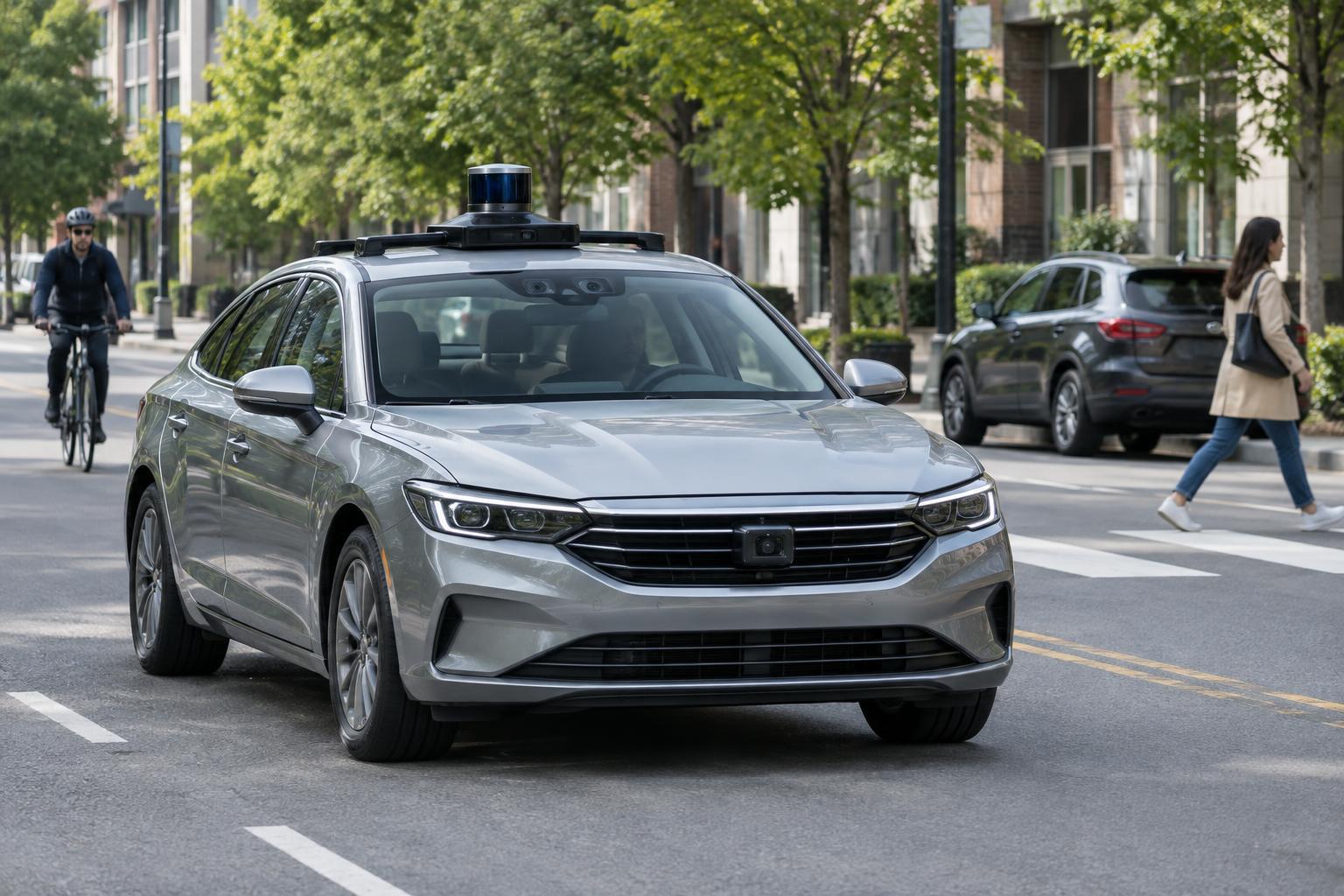
Some locations also require frequent judgment about people moving unpredictably. Near a busy curb, a passenger may step into the road while a cyclist passes a stopped delivery vehicle. In another area, the harder problem might be a complex highway interchange. Limiting service to selected roads lets developers concentrate on the particular situations those roads present. It does not make the situations trivial, but it makes the scope of the task clearer.
Maps and sensors have practical limits
Automated vehicles can use cameras, radar and other sensors to build a picture of their surroundings. Some systems also use detailed maps to help locate the vehicle and anticipate road features. A map is useful context, not a substitute for observing what is happening now: temporary barriers, an emergency vehicle or a changed lane layout may not appear on it. If a system depends on particular map information, extending its operating area can require additional preparation and checks.
The view from a sensor can change, too. Heavy rain, glare, snow or a blocked camera may make an otherwise familiar road harder to interpret. For that reason, an operating area may have time-of-day or weather limits as well as geographic ones. Being permitted to drive down a street under one set of conditions does not mean the vehicle can safely do so under every condition.
The service around the vehicle matters
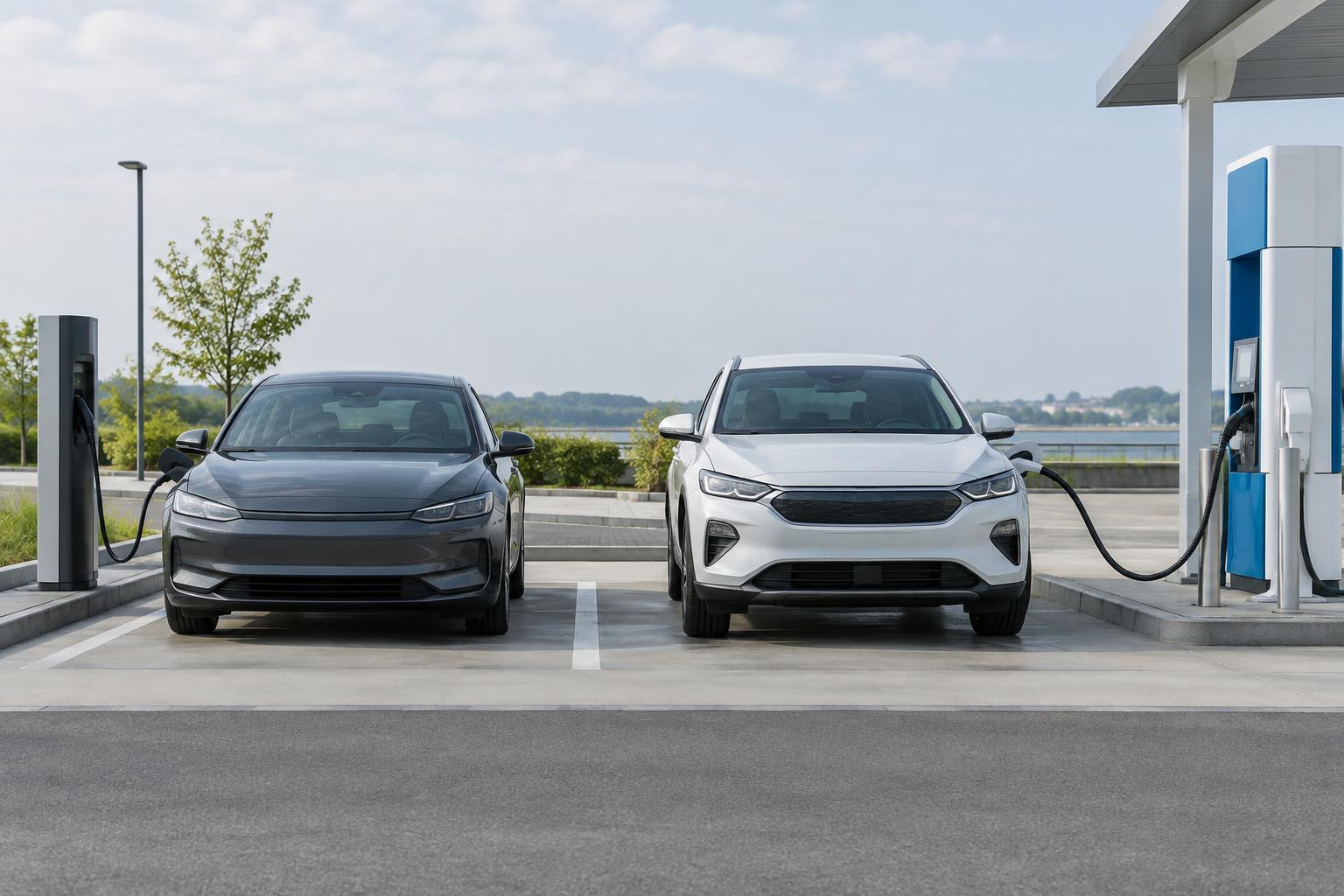
A passenger trip includes more than the drive itself. The vehicle needs suitable places to pick people up and let them out without obstructing traffic. If it encounters a situation it cannot resolve, it needs a defined response, such as stopping in an appropriate place and requesting assistance. Plans for cleaning, charging or refueling, maintenance and recovery also affect where a service can operate.
Rules and permissions can differ by jurisdiction, and an operator may choose an area where its vehicles and support arrangements fit the local requirements. These factors do not mean every self-driving vehicle needs a person directing it from afar. They do mean that an automated service depends on operational planning beyond the driving software. A route that looks convenient on a map may be a poor choice if it offers few safe stopping points.
What a limited area does—and does not—tell us
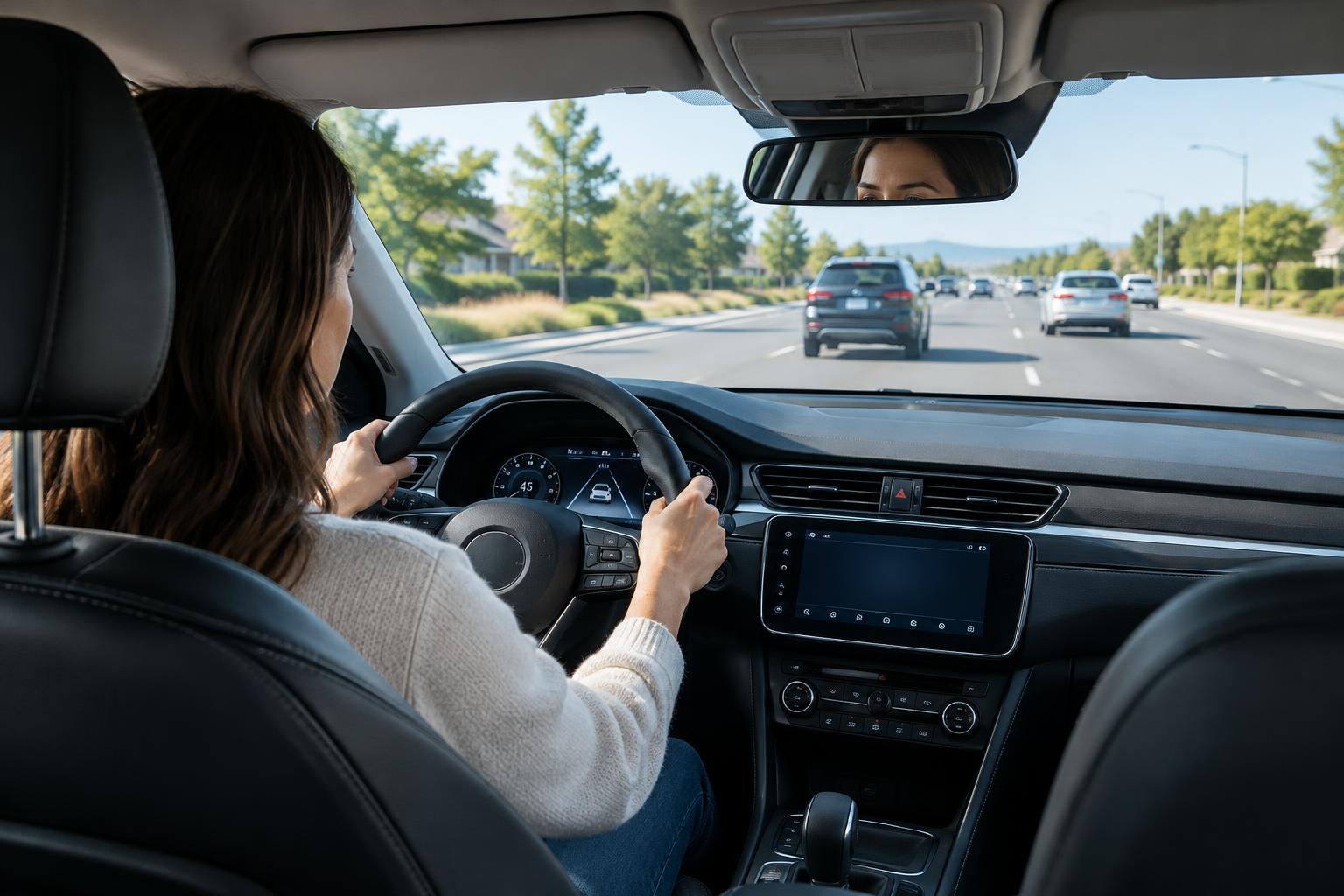
A geographic limit can be a deliberate way to define what a system is built to do, rather than evidence that it is either fully capable or fundamentally unsuccessful. Different types of automation have different responsibilities. A vehicle that performs the driving task within its permitted conditions is not the same as a driver-assistance feature that requires a human to supervise and remain responsible for driving.
Over time, an operator might expand an automated service by assessing new roads, conditions and support needs. Expansion is not guaranteed to be a simple matter of adding more streets: each new area can introduce unfamiliar junctions, weather patterns or pickup challenges. When considering a claim about self-driving capability, the useful question is not just whether the vehicle can drive itself. It is where, when and under what conditions it is designed to do so.